.png)

By using our website, you agree to the use of cookies as described in our Cookie Policy
a
Rss Feed
Signs It May Be Time to Rebuild Instead of Renovate
Most property owners think renovation is the safer bet. Less disruption, lower cost, keep what's already there. But the reality? Sometimes patching up the old structure is just throwing good money after bad. If the bones are compromised, the systems are shot, or the layout fights you at every turn, you're not fixing a home — you're propping up a liability.
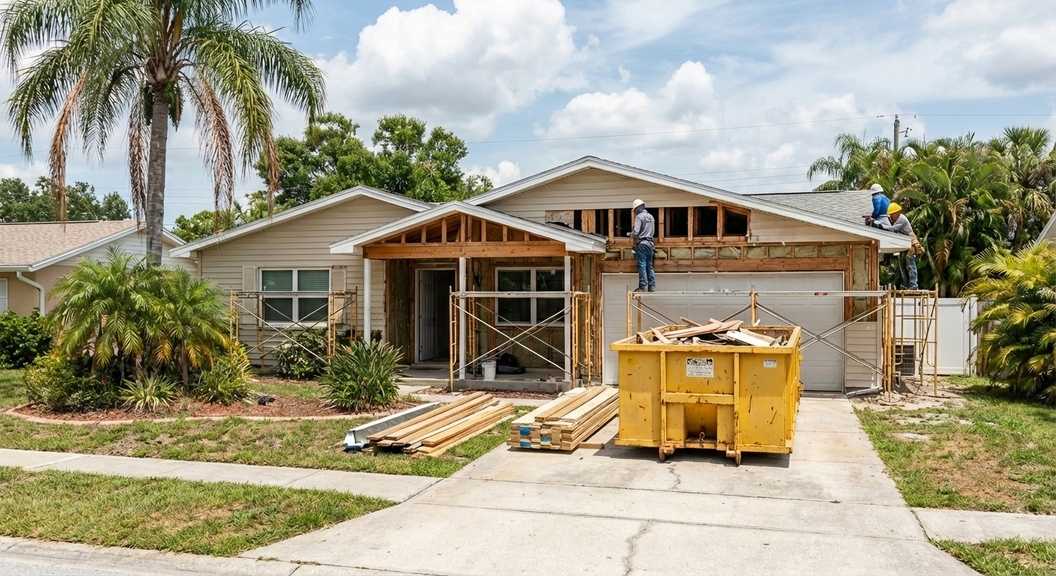
So here's what matters. If you're pouring capital into a property that can't deliver what you need, that's a red flag. Every repair should move you forward. Every dollar should build equity. And every decision should be grounded in whether the existing structure can actually support your vision — not just whether it looks salvageable from the curb.
The Foundation Tells You Everything
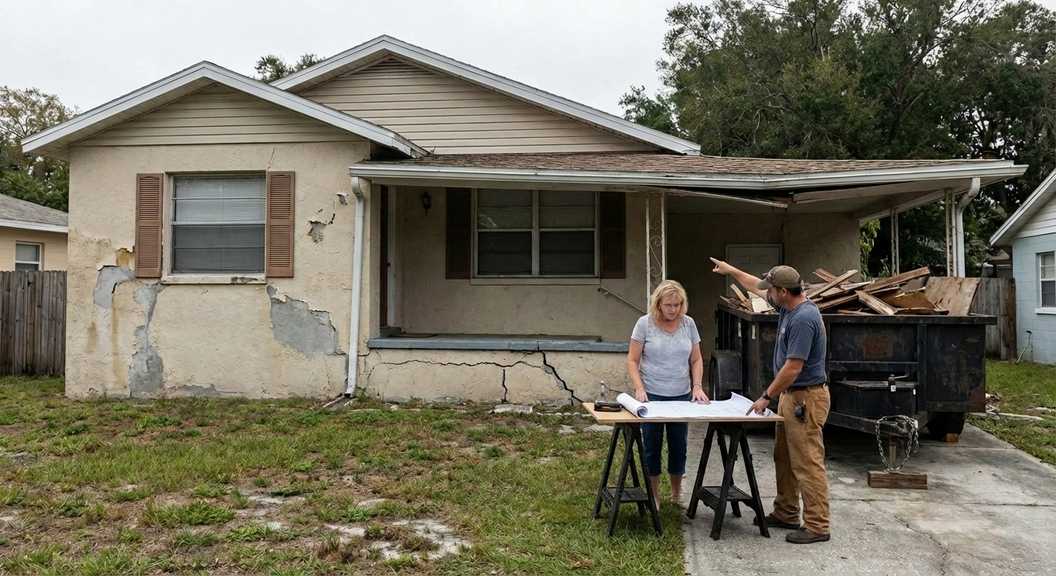
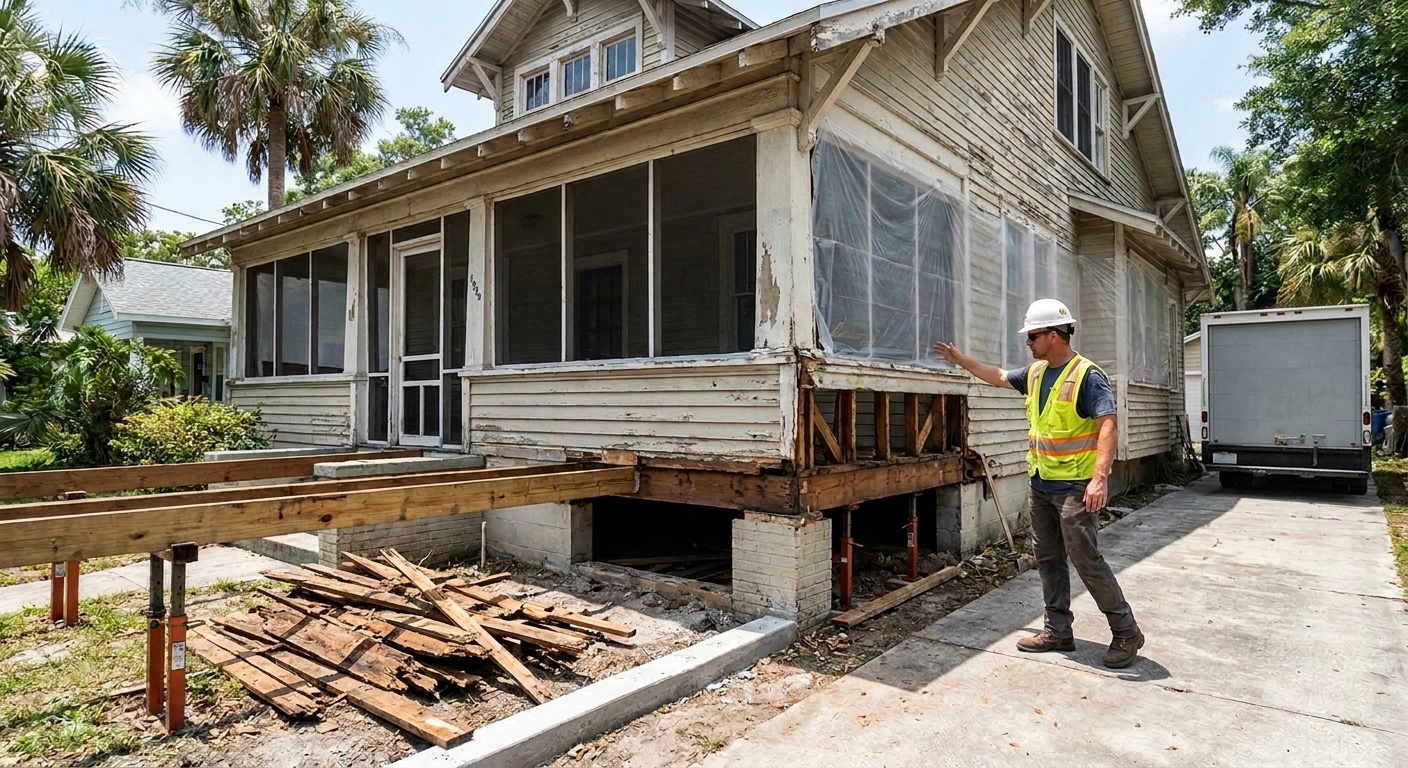
Cracks in the slab aren't cosmetic. Sagging floors aren't quirky character. When the foundation is compromised, everything above it is at risk. You can shore up walls and reinforce beams, but if the base is unstable, you're just delaying the inevitable.
Structural repairs escalate fast. What starts as a quote for leveling turns into underpinning, drainage work, and code upgrades. By the time you're done, you've spent rebuild money on a structure that's still decades old. If the foundation is failing, starting fresh isn't just smart — it's the only move that makes financial sense. Understanding common foundation problems found in Florida can help you assess whether repair or rebuild is the right path.
Hazardous Materials Aren't Worth the Risk
Asbestos in the insulation. Lead paint on the trim. Knob-and-tube wiring snaking through the walls. Older properties come with baggage, and some of it is toxic. Abatement isn't cheap, and it doesn't stop at one room.
Once you start peeling back layers, you find more problems. Remediation costs stack up, timelines stretch, and you're still left with an outdated shell. Rebuilding lets you start clean — no hazards, no surprises, no wondering what's lurking behind the drywall. It's not just about safety. It's about peace of mind.
The Layout Works Against You
Chopped-up rooms. Hallways that lead nowhere. Kitchens tucked into corners where no one wants to cook. Some floor plans are relics of a different era, and no amount of wall removal will fix bad bones.
Renovation can open things up to a point, but you're still constrained by load-bearing walls, plumbing stacks, and the original footprint. If the layout doesn't support how you actually live, you'll always be working around it. Rebuilding gives you the freedom to design from scratch — efficient flow, modern proportions, and spaces that actually make sense. For those considering expansion, exploring home addition ideas for increasing square footage can provide valuable alternatives.
The Numbers Don't Add Up
Renovation budgets have a way of spiraling. What looked like a straightforward update turns into a full gut once you see what's behind the walls. Electrical upgrades. Plumbing reroutes. HVAC overhauls. Suddenly you're spending rebuild money on a structure that's still old.
Run the math before you commit. If the cost to renovate is creeping toward 70% or 80% of a new build, you're not saving anything. You're just paying more for less. A new structure comes with warranties, modern systems, and energy efficiency that an old home can't match — even after a full renovation. Being aware of hidden home renovation costs helps you make a more informed decision.
Code Compliance Becomes a Nightmare
Touch one thing, and the city wants you to bring everything up to current standards. That's how a kitchen remodel turns into a whole-house electrical upgrade. Older properties often don't meet modern codes, and triggering a permit can open a can of worms.
Zoning restrictions, setback requirements, and fire safety rules can all complicate a renovation. If compliance means tearing out more than you're keeping, rebuilding is the cleaner path. You'll meet code from day one, and you won't be fighting outdated systems every step of the way.
You've Maxed Out the Footprint
Small lot. Tight setbacks. No room to expand. If your property can't grow outward, renovation might not give you the space you need. Adding a second story sounds simple until you realize the foundation wasn't built to support it.
Rebuilding lets you maximize every square foot. You can go vertical, reconfigure the layout, and design for the life you want — not the one the original builder imagined. If space is the issue, starting over is often the only real solution. Learning about home additions in Florida regulations can clarify your options.
Modern Features Aren't Retrofit Friendly
Energy-efficient windows. Smart home systems. Radiant floor heating. Today's homes are built with technology and sustainability baked in. Retrofitting an old structure to match that standard is expensive and often imperfect.
Insulation, HVAC, and electrical systems all need to work together. Piecemeal upgrades rarely deliver the performance of a new build. If you want a home that's efficient, comfortable, and future-proof, rebuilding is the way to get there without compromise.
When the Costs Outweigh the Sentiment
Sometimes the decision isn't just about structure or systems. It's about whether the property still serves you. If you're holding onto a house because of what it used to be — not what it can become — that's a sign it's time to move on.
Rebuilding isn't about erasing history. It's about creating something that works for your life now. A new build gives you control, clarity, and a home that's built for the long haul. If the old structure is holding you back, don't let nostalgia keep you stuck.
What the Rebuild Process Actually Delivers
Choosing to rebuild means you're not just fixing problems — you're eliminating them. You get a home that's designed for how you live, built to current standards, and backed by warranties that protect your investment.
Here's what a rebuild gives you that renovation can't:
- A foundation engineered for your specific site and soil conditions
- Modern framing, insulation, and systems that meet or exceed code
- Energy efficiency that lowers utility bills and increases comfort
- A layout tailored to your needs, not constrained by old walls
- Warranties on structure, systems, and materials
The Documentation You'll Need
If you're moving forward with a rebuild, the paperwork starts early. Permits, surveys, soil tests, and architectural plans all need to be in order before you break ground.
Here's what you'll need to have ready:
- Property survey showing boundaries and easements
- Soil and geotechnical reports for foundation design
- Architectural plans stamped by a licensed professional
- Building permits from your local jurisdiction
- Contractor agreements with clear timelines and payment schedules
Where Property Owners Get Tripped Up
Rebuilding sounds straightforward until you hit the details. Permitting delays, contractor availability, and material costs can all throw a wrench in the timeline. Most owners underestimate how long the process takes — and how much coordination it requires.
Here's where things tend to go sideways:
- Underestimating permit timelines and inspection requirements
- Choosing contractors based on price instead of track record
- Skipping the soil test and discovering foundation issues mid-build
- Not budgeting for contingencies when material costs shift
- Failing to secure temporary housing during construction
When to Bring in the Experts
If you're weighing renovation against rebuild, don't guess. Bring in a structural engineer, an architect, and a contractor who can give you real numbers. They'll tell you what's salvageable, what's not, and what the true cost of each path looks like. Knowing the right questions to ask a potential home builder ensures you're working with professionals who understand your needs.
Here's what the right team helps you avoid:
- Overspending on a renovation that doesn't solve the core problems
- Missing code issues that surface mid-project
- Designing a rebuild that doesn't fit your budget or timeline
- Choosing materials or systems that don't match your climate or site
- Getting stuck with a contractor who can't deliver
Building Smart Means Building Once
Renovation has its place. But when the structure is fighting you, the systems are outdated, and the costs keep climbing, rebuilding is the move that makes sense. It's not about tearing down for the sake of it. It's about building something that works — and building it right the first time.
We've seen property owners try to stretch a renovation too far, only to end up with a home that's still compromised. The smart ones run the numbers, weigh the risks, and make the call that sets them up for the long haul. If the signs are there, don't ignore them. Rebuild with intention, and you'll have a property that delivers for decades.
Ready to Start Fresh?
When you're ready to stop patching and start building for the future, we're here to help you make the right move. Let's talk about your goals, your property, and how we can bring your vision to life with a rebuild that truly fits your needs. Give us a call at 727-596-2390 or contact us today to get started on your next chapter.
‹ Back
Recent Posts
-
-

Building Safer Commercial Spaces: A Practical Guide for New Owners
September 15, 2026
-
Do Older Homes in Tampa Need Structural Upgrades Before Remodeling?
September 3, 2026
-
-