.png)

By using our website, you agree to the use of cookies as described in our Cookie Policy
a
Rss Feed
Planning a Whole-Home Remodel for Older Homes in Largo
Most homeowners think remodeling is just about picking paint colors and new countertops. But when you're dealing with an older home in Largo, you're working with a structure that's seen decades of wear, weather, and shortcuts from previous owners. The bones might be solid, but the systems? They're probably outdated. And if you don't plan for that upfront, you're setting yourself up for budget overruns and delays that could've been avoided.
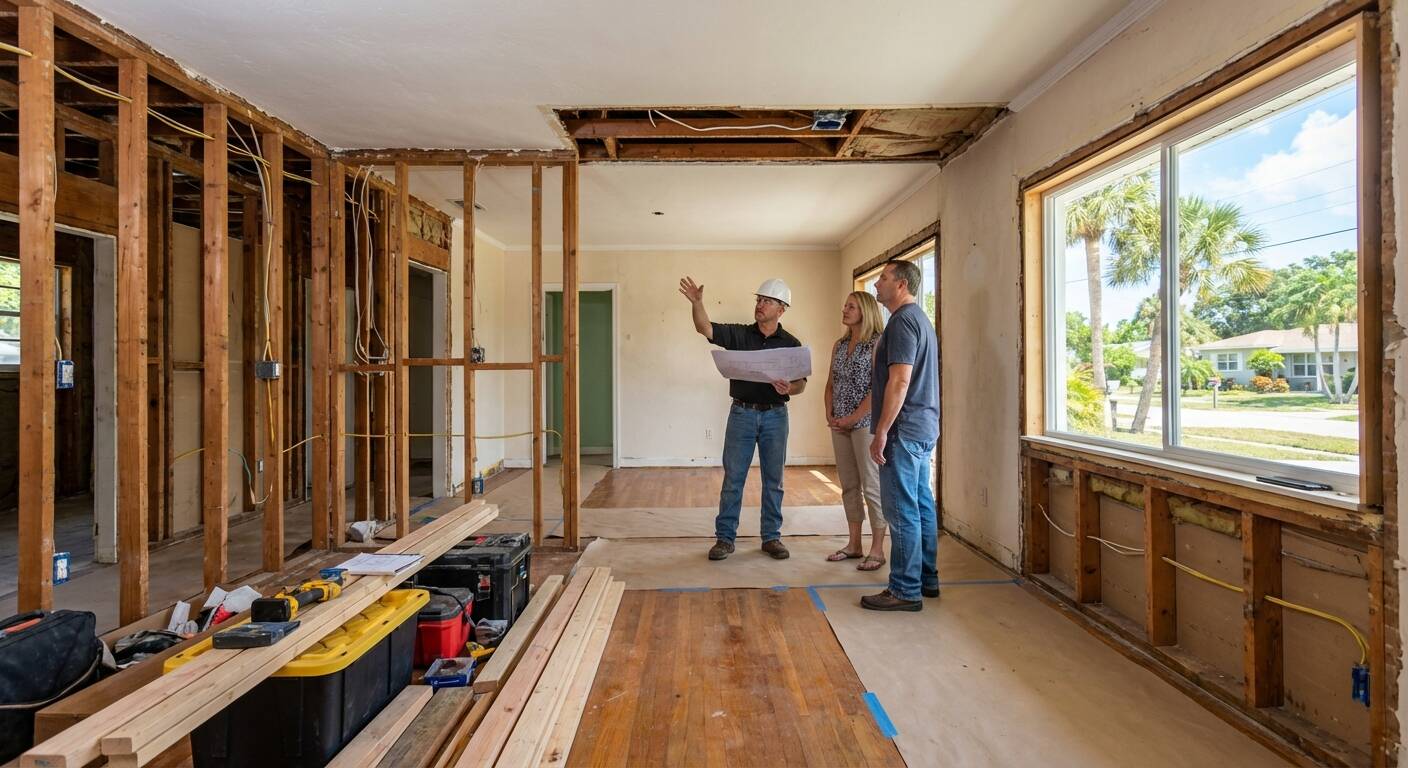
So here's the reality. Remodeling an older home isn't like flipping a newer build. You're not just updating—you're often uncovering, repairing, and rebuilding from the inside out. Every wall you open could reveal something unexpected. Every permit you pull needs to meet current code. And every decision you make should be grounded in what the house actually needs, not just what looks good in a magazine.
What Makes Older Homes Different
Largo's older homes come with charm, but they also come with complications. We're talking about properties built when insulation was optional, electrical panels had fewer circuits than your phone charger needs, and plumbing was installed before anyone thought about water pressure or efficiency. These aren't just cosmetic issues—they're structural, mechanical, and safety concerns that need addressing before you even think about finishes.
Then there's the hazardous material factor. Lead paint, asbestos, outdated wiring—these aren't scare tactics, they're real risks that require professional remediation. You can't just sand and paint over them. And if you're planning to sell down the line, buyers and inspectors will notice if you skipped the hard stuff. We've seen too many remodels stall because someone assumed the walls were clean and the systems were fine. They weren't.
Know What You Want Before You Start Swinging
Walking into a remodel without clear priorities is like shopping without a list—you'll spend more and end up with things you didn't need. Start by defining what actually matters. Are you opening up the floor plan? Adding square footage? Upgrading the kitchen and baths? Improving energy efficiency? Write it down. Rank it. Then build your budget around those priorities, not the other way around.
And speaking of budget, older homes demand wiggle room. Set aside at least 15% for surprises, because they will happen. Rotted joists, outdated wiring, hidden water damage—these aren't worst-case scenarios, they're Tuesday. A good contractor will help you anticipate costs, but only if you're honest about what you're working with and what you're willing to spend.
Get the House Inspected Before You Commit
You wouldn't buy a car without checking under the hood. Don't remodel a house without knowing what's behind the drywall. Hire a qualified inspector to evaluate the foundation, roof, electrical, plumbing, HVAC, and framing. This isn't optional. It's the difference between a smooth project and a financial sinkhole.
In Largo, humidity and storm exposure mean moisture issues are common. Crawl spaces, attics, and exterior walls are prime spots for mold, rot, and pest damage. If the inspector flags something, deal with it before you start tearing into cosmetic upgrades. A beautiful kitchen won't matter if the subfloor is compromised or the roof is leaking.
Blending Old Character With New Function
One of the best parts of remodeling an older home is keeping the details that give it personality. Original hardwood, vintage tile, crown molding, built-ins—these features add value and character that new construction can't replicate. But that doesn't mean you're stuck with a layout that doesn't work or systems that belong in a museum.
We approach these projects by identifying what's worth saving and what needs to go. Sometimes that means restoring original windows and pairing them with modern HVAC. Other times it's opening up a choppy floor plan while keeping the fireplace mantel or staircase intact. The goal is a home that feels cohesive, not like a time capsule with a flat-screen bolted to the wall.
Permits Aren't Suggestions
If you're doing structural work, electrical upgrades, plumbing changes, or additions, you need permits. Period. Largo has building codes for a reason, and skipping the permitting process doesn't just risk fines—it can tank your home's resale value and leave you liable if something goes wrong.
Some homeowners try to fly under the radar to save time or money. That's a gamble that rarely pays off. Inspectors catch unpermitted work during appraisals, and buyers walk when they see it. Work with a contractor who knows the local process and can pull permits without drama. It's not glamorous, but it's necessary.
Your Team Makes or Breaks the Project
You can have the best plan in the world, but if your contractor doesn't know how to handle an older home, you're in trouble. Look for professionals with a track record in Largo and experience with properties built before 1980. Ask for references. Check their license. Look at their past work. Don't hire based on the lowest bid—hire based on competence and communication.
We've seen projects derail because the contractor didn't understand how to work with plaster walls, outdated framing, or tricky foundation issues. The right team will anticipate problems, offer solutions, and keep you in the loop. The wrong team will ghost you when things get complicated.
Key Systems That Need Attention
When you're planning a whole-home remodel, certain systems should be at the top of your list. These aren't the fun parts, but they're the foundation of a functional, safe, and efficient home.
- Electrical panels and wiring that meet current load requirements and safety standards
- Plumbing lines free of corrosion, leaks, and outdated materials like galvanized steel
- HVAC systems sized correctly for the home's square footage and insulation levels
- Insulation in walls, attics, and crawl spaces to improve energy efficiency and comfort
- Roof and exterior envelope repairs to prevent water intrusion and structural damage
Where Homeowners Lose Money
Most remodeling regrets come down to poor planning or wishful thinking. You can avoid the biggest pitfalls by staying realistic and keeping your eyes open.
- Underestimating the scope of hidden repairs and running out of budget halfway through
- Skipping the inspection phase and discovering major issues after demolition starts
- Choosing finishes before addressing structural and mechanical problems
- Hiring based on price alone instead of experience with older homes
- Ignoring permit requirements and facing fines or resale complications later
Design Choices That Add Real Value
Not all upgrades are created equal. Some changes improve your daily life and boost resale value. Others just look nice. Focus on the ones that do both.
- Open floor plans that improve flow and make the home feel larger
- Updated kitchens and bathrooms with modern fixtures and efficient layouts
- Energy-efficient windows and doors that reduce utility costs and improve comfort
- Durable flooring that can handle Largo's humidity without warping or staining
- Outdoor living spaces that take advantage of Florida's climate year-round
Timeline Expectations
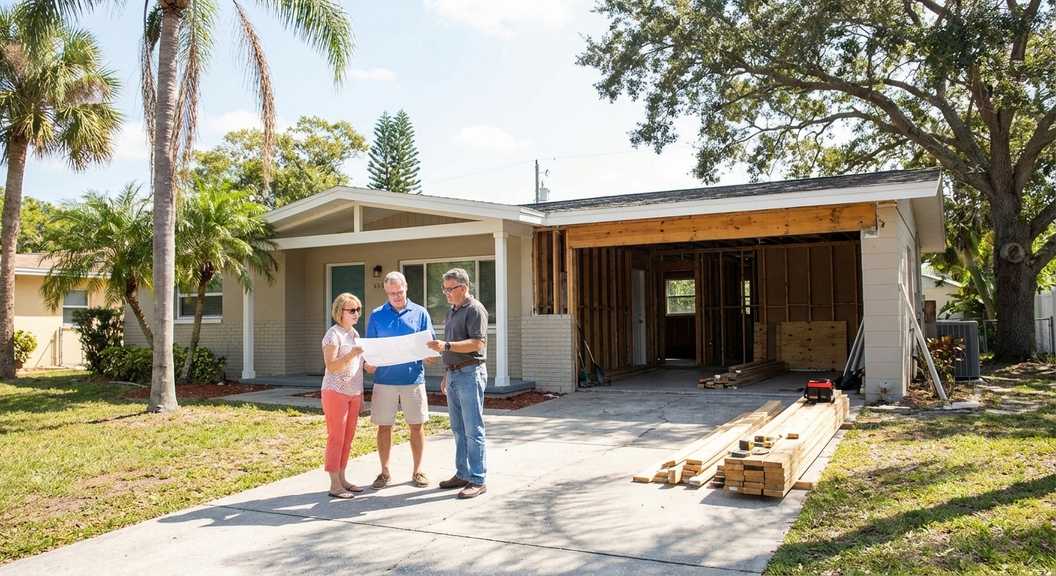
Whole-home remodels take time, especially when you're working with an older structure. Expect delays. Expect surprises. And expect the process to take longer than your contractor's initial estimate. That's not pessimism—it's reality.
Most projects run three to six months, depending on scope and complexity. If you're doing major structural work, adding square footage, or dealing with hazardous materials, plan for the longer end of that range. Rushing the process leads to mistakes, and mistakes cost more to fix than they would've cost to prevent.
What to Ask Your Contractor
Before you sign a contract, make sure you're on the same page. These questions to ask a potential home builder will help you vet your team and avoid miscommunication down the line.
- How many older homes in Largo have you remodeled in the past two years?
- What's your process for handling unexpected issues like rot or outdated wiring?
- Who pulls the permits, and how long does that typically take?
- What's included in your contract, and what costs are considered extras?
- How do you handle change orders, and what's your policy on delays?
Living Through the Chaos
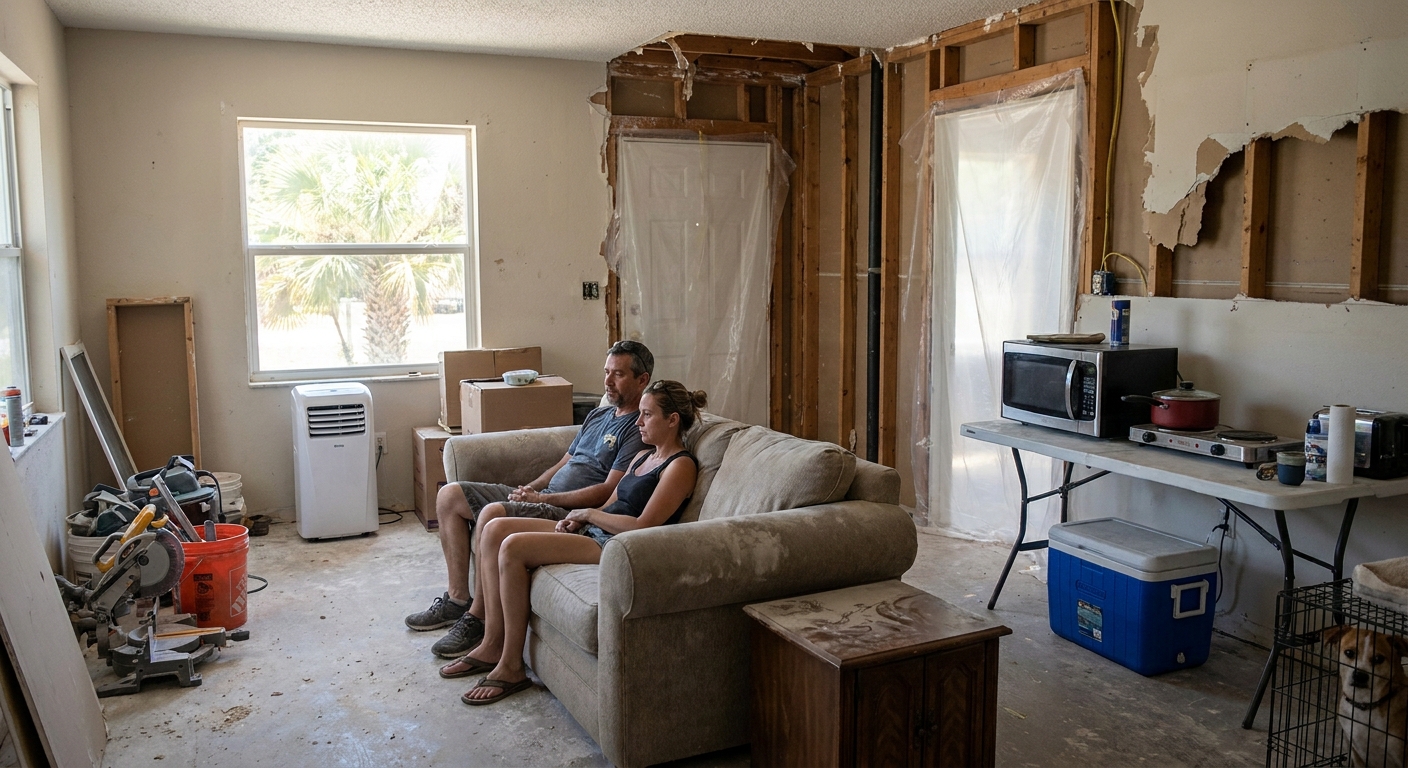
If you're staying in the home during the remodel, prepare for noise, dust, and disruption. Set up a temporary kitchen. Seal off work areas. Communicate with your contractor about daily schedules and access. It's not fun, but it's manageable if you plan ahead.
Some homeowners choose to move out during major phases of the project. That's not always feasible, but if you have the option, it can reduce stress and speed up the timeline. Either way, flexibility and patience are your best tools.
Remodeling With a Long-Term View
A whole-home remodel isn't just about making the house look better today. It's about setting up a structure that will last, systems that won't fail, and a layout that works for how you actually live. Older homes in Largo have good bones—they just need the right updates to carry them forward. When you plan smart, hire right, and stay focused on what matters, you end up with a home that's worth the investment. Not just in dollars, but in the years you'll spend living in it. Understanding common causes of renovation delays can help you navigate the process more smoothly, and knowing about remodeling mistakes that can cost you money ensures your investment pays off when it's time to sell.
Ready to Start Your Remodel?
Transforming an older home in Largo takes more than vision—it takes a team that understands the unique challenges and rewards of these projects. Let’s work together to bring out the best in your home, from the foundation to the finishing touches. If you’re ready to talk about your goals or have questions about the process, give us a call at 727-596-2390 or contact us today to get started.
‹ Back
Recent Posts
-
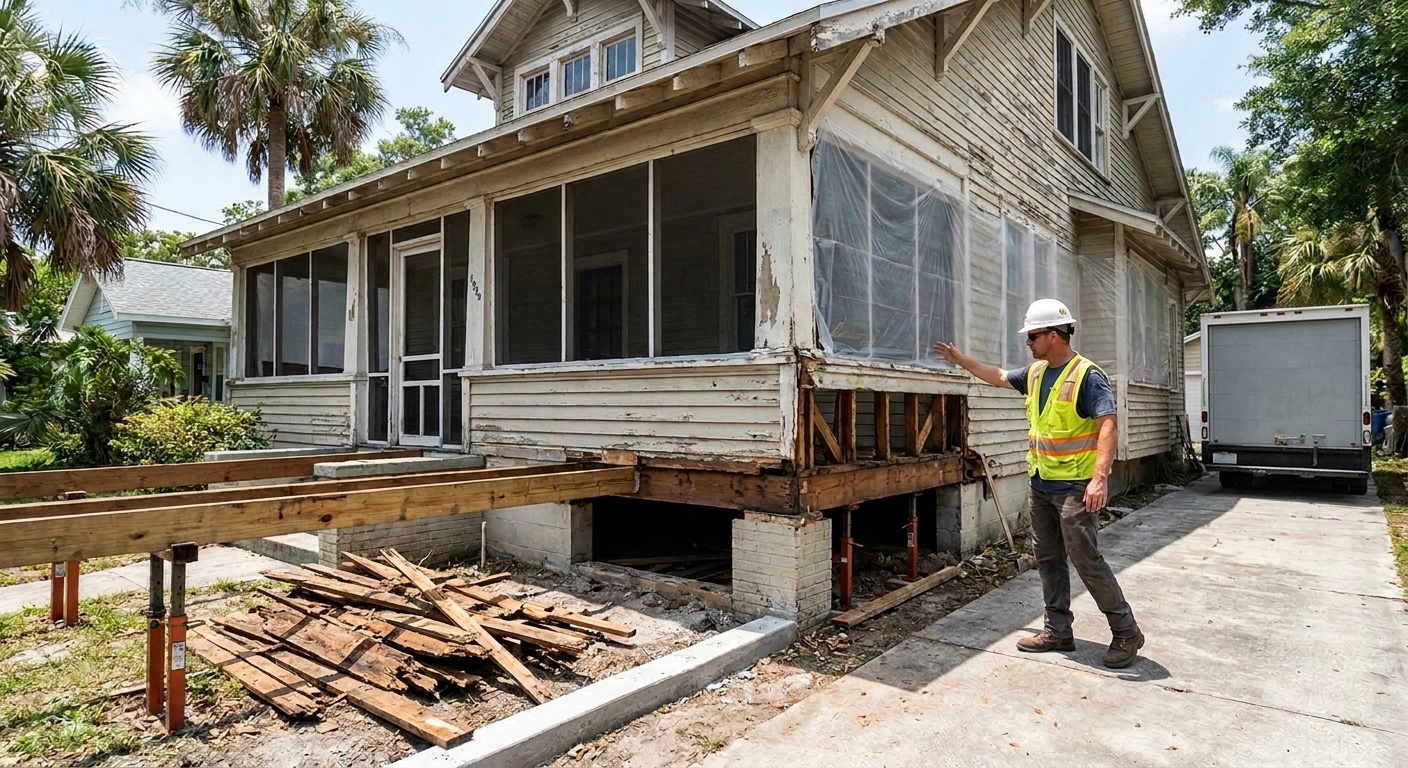
Do Older Homes in Tampa Need Structural Upgrades Before Remodeling?
September 3, 2026
-
-

-
Can You Stay in Your Tampa Home During a Major Remodel?
August 6, 2026
-