
.png)

By using our website, you agree to the use of cookies as described in our Cookie Policy
a
Rss Feed
Why Moving Into Older Homes Increases the Risk of Unexpected Termite Surprises
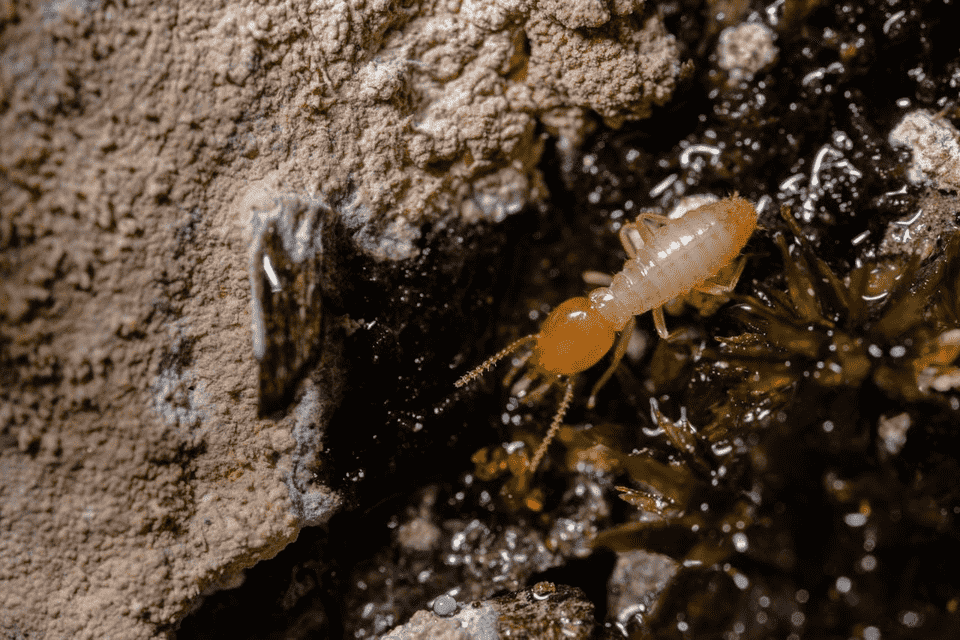
Moving into older homes can be an exciting step, filled with charm, character, and a sense of history that newer properties often lack. However, along with that appeal comes a set of hidden risks that many buyers overlook—one of the most common being termite activity. These pests are silent, persistent, and capable of causing serious structural damage long before any visible signs appear. For anyone planning a move into an older property, understanding this risk of unexpected termite surprises is essential for making home upgrades that support health, comfort, and everyday living.
Why Older Homes Require a Different Mindset
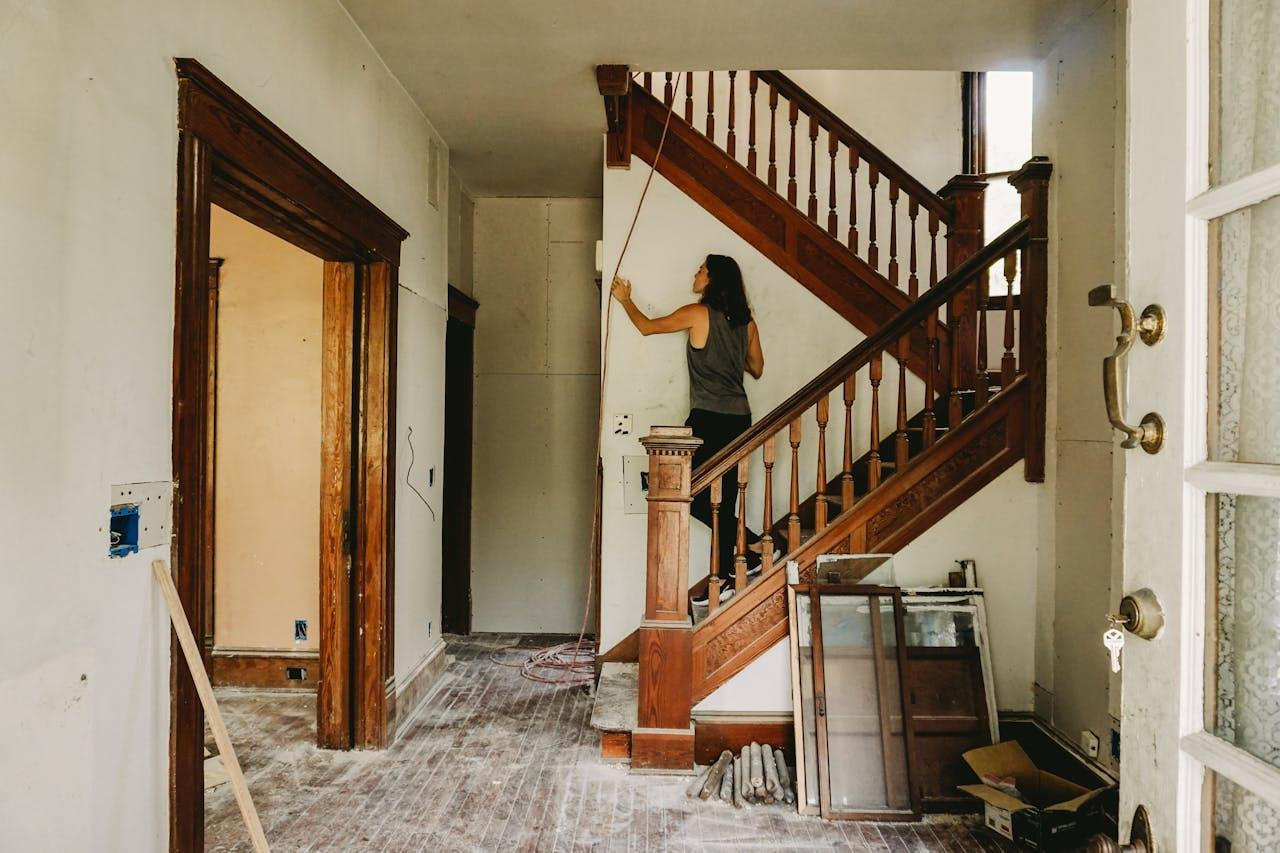
For many people, moving into an older home marks a significant lifestyle shift. The responsibilities are different, and so are the risks. In general, moving from an apartment to a house can bring challenges. However, moving into a home with a long history dials those challenges up to 11. When transitioning from apartment living, it is important to focus on being prepared for the change. Apartments are typically managed by maintenance teams who handle pest control and structural upkeep. In a standalone house, that responsibility falls entirely on the homeowner.
Understanding this shift helps new homeowners stay proactive. Regular inspections, maintenance routines, and early detection become essential parts of protecting the property.
Moving Into Older Homes: The Natural Ageing
When moving into older homes, it is important to recognize how time affects the materials that hold the structure together. Wood naturally weakens as it ages, becoming softer and more attractive to termites. These pests are drawn to timber that has been exposed to years of environmental stress, especially when moisture is present. Even homes that appear well cared for can have hidden areas where deterioration has quietly created the perfect environment for an infestation.
Outdated Construction Methods
Construction standards have evolved significantly over the years. Many older homes were built without modern pest prevention techniques. Barriers, treated wood, and advanced sealing methods that are common today were often absent in earlier builds.
This means termites may have had easier access points from the beginning, and those pathways can still exist today. Over time, these small vulnerabilities can turn into significant entry points for colonies.
Hidden Entry Points Develop Over Time
As a home ages, small cracks and gaps naturally form. These can appear around windows, doors, roofing, and the foundation. While they may seem minor, they provide perfect access routes for termites.
What makes this especially challenging is that these entry points are rarely visible during a casual walkthrough. Without a detailed inspection, infestations can remain hidden until noticeable damage appears.
Moisture Accumulation Encourages Unexpected Termite Surprises
Older homes are more likely to have moisture-related issues due to ageing plumbing, outdated drainage systems, or worn roofing. Termites thrive in damp environments, and even slight moisture buildup can attract them.
Areas that retain humidity or experience occasional leaks become ideal breeding grounds. Once termites establish themselves in these areas, they can spread quickly through the structure.
Previous Infestations May Have Gone Undetected
One of the biggest risks when moving into an older home is the possibility of past infestations that were never fully addressed. Even if previous owners treated the problem, incomplete solutions can allow colonies to return.
Termites can remain dormant or hidden for long periods. By the time new homeowners move in, the damage may already be extensive, requiring costly repairs.
Renovations Can Mask Structural Issues
Older homes are often renovated to improve aesthetics and functionality. While updates can make a property more appealing, they can also conceal underlying problems.
Fresh paint, new flooring, or remodeled interiors may hide signs of termite damage rather than eliminate it. Without proper inspection, buyers may assume the home is in excellent condition when issues still exist beneath the surface.
Landscaping Changes Affect Termite Activity
Over time, the landscaping around older homes often changes. Trees grow larger, roots spread, and soil levels shift. These changes can create new pathways for termites to reach the structure.
Organic materials near the home, such as mulch or wood debris, can also attract termites. Once they are nearby, it becomes easier for them to find their way inside.
Limited Historical Records
Unlike newer homes, older properties may lack detailed maintenance records. Information about past termite treatments, inspections, or structural repairs may be incomplete or unavailable.
This uncertainty makes it harder to assess the true condition of the home. Without a clear history, buyers must rely more heavily on professional inspections and their own due diligence.
Structural Complexity Increases Risk
Older homes often feature unique layouts, additions, and modifications made over time. While this adds character, it also creates hidden spaces where termites can thrive.
Crawl spaces, enclosed voids, and layered construction elements make it easier for infestations to spread without detection. The more complex the structure, the harder it becomes to identify and address issues early.
Why Termites Often Go Unnoticed
Termites are sometimes called “silent destroyers” for a reason. They work from the inside out, consuming wood while leaving surfaces intact. This makes early detection extremely difficult.
Homeowners may not notice anything unusual until doors begin to stick, floors feel uneven, or walls show subtle damage. By that point, the infestation may already be well established.
The Financial Impact of Late Discovery
Discovering a termite problem after moving in can be both stressful and expensive. Repairing structural damage often requires professional intervention, and costs can escalate quickly depending on the severity.
Beyond repairs, treatment and prevention measures add to the financial burden. This is why early awareness and preventive action are so important when considering an older home.

Taking a Proactive Approach
While the risks are real, they are manageable with the right approach. Professional inspections before purchase are one of the most effective ways to identify potential issues. Experts know where to look and can detect signs that are easy to miss.
After moving in, regular maintenance and monitoring help prevent infestations from taking hold. Keeping the home dry, sealing entry points, and scheduling periodic inspections all contribute to long-term protection, health, and comfort.
The Art of Investment Protection
Moving into older homes does not mean you have to accept unexpected termite surprises as part of the experience. With awareness, proper inspections, and consistent maintenance, you can significantly reduce the risks that come with ageing properties. While these homes offer undeniable charm and personality, protecting them requires a proactive mindset. By staying informed and prepared, you can enjoy the benefits of your home without unpleasant surprises undermining your investment.
Images Used:
https://www.pexels.com/photo/a-macro-shot-of-a-termite-12895278/
https://www.pexels.com/photo/a-woman-in-gray-tank-top-standing-on-wooden-staircase-4817843/
‹ Back
Recent Posts
-
-
-

Building Safer Commercial Spaces: A Practical Guide for New Owners
September 15, 2026
-
Do Older Homes in Tampa Need Structural Upgrades Before Remodeling?
September 3, 2026
-