

.png)

By using our website, you agree to the use of cookies as described in our Cookie Policy
a
Rss Feed
Do You Need a Building Contractor for Major Home Repairs in Largo?
Most homeowners think repairs are just about fixing what's broken. Patch it up, move on. But the city sees more than that — and if you don't, you're asking for trouble. Major repairs may not seem complicated on the surface, but they do leave a footprint on your property record. Especially if you're pulling permits or dealing with structural work.
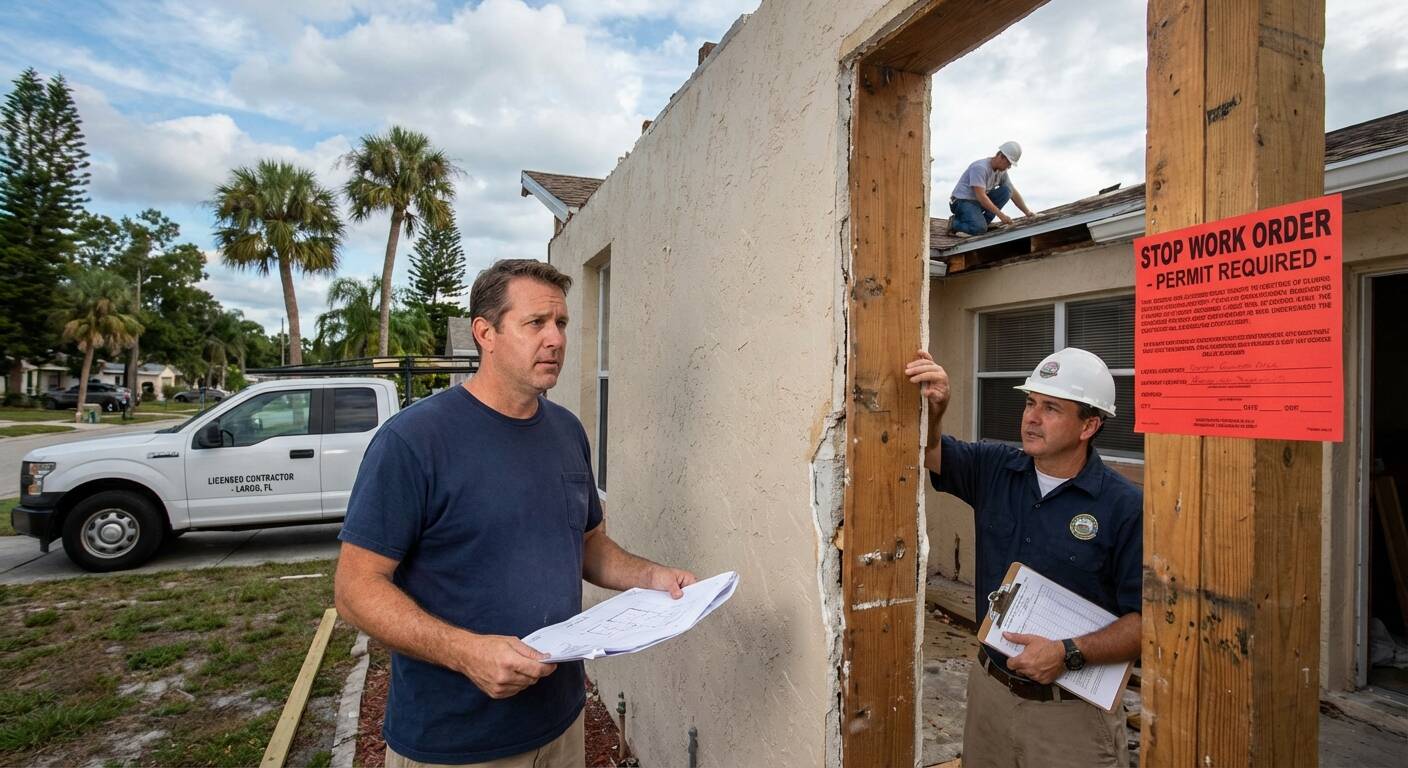
So here's the deal. If you're tackling something that affects the bones of your home, that's serious. Just don't treat those projects like weekend hobbies. Every repair should have proper documentation. Every permit needs backup. And every decision should be grounded in what the work actually requires — not just what it looks like from the driveway.
When a Handyman Won't Cut It
Nine times out of ten, minor fixes don't need a licensed contractor. You patch drywall, you paint a room — that's maintenance, not construction. The city doesn't care how much you spent, only whether the work altered structure or systems and whether it was done to code.
But if that repair involves load-bearing walls? Different story. Unpermitted structural work can count as a violation, especially if the changes didn't meet the standards laid out by local building codes. We saw this play out in real time with DIY renovations. Plenty of homeowners thought permits were optional — they weren't. And when inspectors get involved, the city expects to see everything documented unless you meet an exception like emergency repairs.
The Permits You Can't Skip
You can't ignore permitting requirements just because the work happens inside your walls — that's still regulated construction. But the oversight? That's often protection. Largo generally requires permits on work that affects safety or structural integrity.
Here's where that matters most:
- Foundation repairs: Cracks that compromise stability need engineering review and city approval before work starts.
- Roof replacements: Full tear-offs require permits, inspections, and wind-rated materials that meet Florida Building Code.
- Electrical rewiring: Any work beyond swapping fixtures needs a licensed electrician and inspection sign-off.
- Plumbing overhauls: Rerouting lines or replacing systems triggers permit requirements and pressure testing.
- Structural modifications: Removing walls, adding beams, or altering framing all need engineered plans and contractor oversight.
When DIY Becomes a Liability
Want to avoid fines and forced teardowns? You'll need to prove the work was done right — and that someone qualified was responsible for it.
The city has three main checkpoints:
- You had proper permits pulled before work began
- You used licensed professionals for regulated trades
- You passed inspections at required stages, not just when everything was already closed up
Fail one of those, and the whole project falls apart. Even if the repair technically looks fine from the outside. And if any of the work created safety hazards? That portion's a code violation too. No partial passes for a deck that looks great but wasn't built to hurricane standards.
Largo Has Standards Built for Florida Weather
If your home sits in a flood zone or hurricane-prone area, there's extra scrutiny on what you can build and how. Local amendments to the Florida Building Code kick in and dictate everything from foundation elevation to roof attachment.
You'll need to work with contractors who understand these requirements and can navigate the approval process.
Most general handymen won't have that expertise — but licensed building contractors do. Especially if they're familiar with Largo's specific climate challenges and inspection protocols.
Your Project Is Only As Good As Your Contractor
Want to keep your home safe and your investment protected? Hire the right people. You'll need more than a few online reviews to back up your choice.
Here's what your vetting process should include:
- Verified state and local licensing through official databases
- Proof of liability and workers' comp insurance
- References from recent projects similar to yours
- Written estimates that break down labor, materials, and timeline
- Clear contracts that specify permit responsibility and inspection schedules
If a contractor balks at providing documentation, they won't just cost you money. Mixing licensed and unlicensed work is one of the fastest ways to tank a home sale. So if that crew you hired can't show credentials, you'd better have a backup plan.
Where Most Homeowners Go Wrong
Trying to save a few bucks by skipping permits or hiring unlicensed labor? The city won't find that clever. Sloppy shortcuts can cost you real money or even trigger stop-work orders. Most homeowners play it safe by using vetted contractors or bringing in a pro — and plenty stay on track by following best practices for major renovations.
Don't wait until inspection time to sort out who did what. If you miss required sign-offs, you're creating problems. If you hide unpermitted work, you risk discovery during resale. Document everything as it happens. It's tedious. It works.
When Contractors Are Non-Negotiable
If your repair involves structural changes, electrical systems, or anything that affects safety, you're in territory where DIY gets dangerous.
A licensed contractor helps you:
- Navigate permit applications and approval timelines
- Coordinate inspections at the right project stages
- Source materials that meet code requirements
- Manage subcontractors for specialized trades
- Keep the city off your back with proper documentation
It's not just about getting the work done this year. It's about setting up a home that stays compliant and valuable for the long haul. If you're curious how other homeowners have handled these kinds of projects, look at what happens when people use qualified professionals strategically.
Repairs Done Right Leave No Questions
Taking on major work isn't the hard part. Doing it the right way — and proving how you did it when it matters — that's where homeowners get caught off guard. There's no excuse for cutting corners when the protections are there for the taking. But there's also no forgiveness when you blow past the rules and hope nobody notices. Largo's building department exists for a reason, and licensed contractors know how to work within that framework without slowing you down or jeopardizing your investment.
Let’s Make Your Next Project Stress-Free
Major home repairs shouldn’t be a guessing game. When we handle your project, you get peace of mind knowing every detail is covered—from permits to final inspection. If you’re ready to protect your investment and avoid costly mistakes, let’s talk about your plans. Call us at 727-596-2390 or contact us today to get started with a team that knows Largo inside and out.
‹ Back
Recent Posts
-
How Much Planning Goes Into a Whole-Home Renovation in Tampa?
October 1, 2026
-
-

-

Building Safer Commercial Spaces: A Practical Guide for New Owners
September 15, 2026
-
Do Older Homes in Tampa Need Structural Upgrades Before Remodeling?
September 3, 2026