
.png)

By using our website, you agree to the use of cookies as described in our Cookie Policy
a
Rss Feed
Why Moving Into a “Problem Kitchen” Can Be the Best Thing for Design Creativity
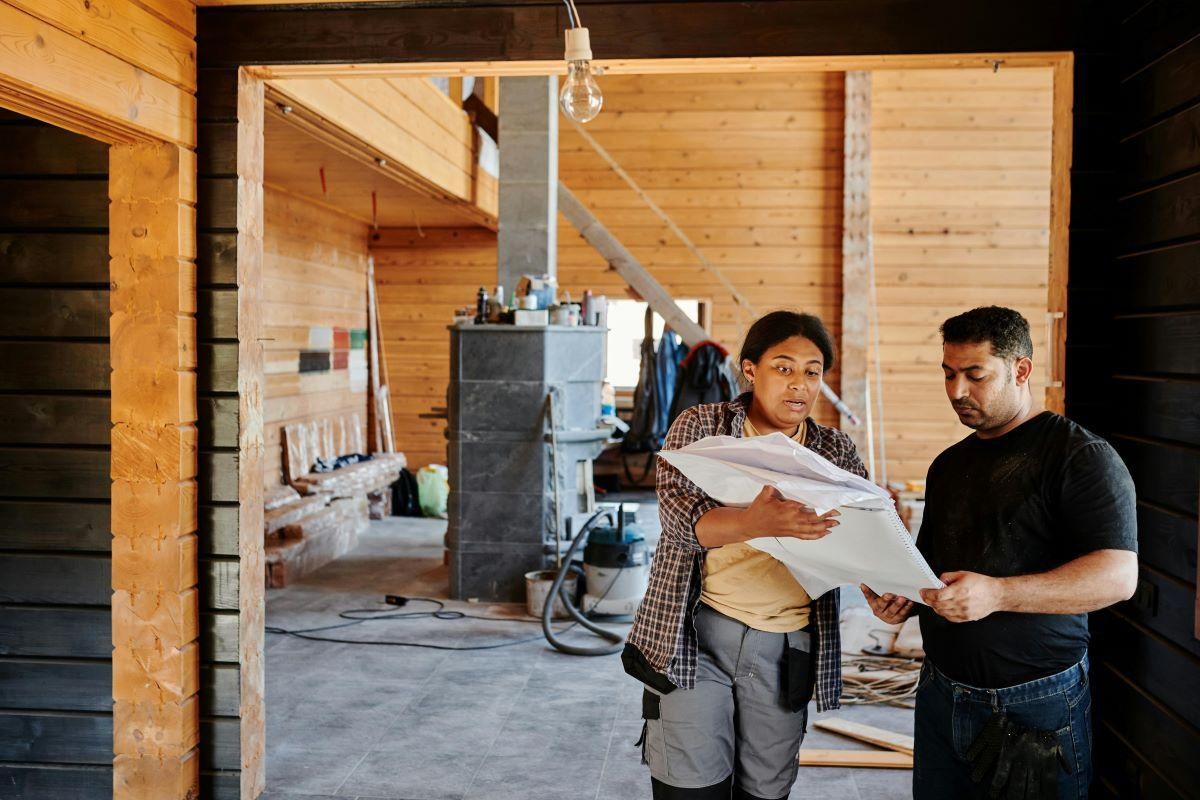
Many people avoid outdated kitchens because flaws seem frustrating at first glance. However, design challenges often spark stronger ideas than perfect spaces ever could. Understanding why moving into a “problem kitchen” can be the best thing for design creativity begins with recognizing how limits shape thinking. Tight layouts, poor storage, or awkward lighting force careful observation and smarter decisions. Designers learn directly from daily experience instead of relying on assumptions or trends. Each inconvenience becomes a practical lesson about function and comfort. Over time, challenges encourage experimentation, helping creativity grow through real problem-solving rather than idealized planning.
Constraints Shape Smarter Design Thinking
Creative progress often begins when a kitchen presents clear limitations that demand thoughtful solutions. Instead of relying on convenience, designers must analyze workflow, storage, and movement carefully. As renovation work unfolds, daily habits shift, and routines adjust around changing spaces. Living through renovation phases teaches how to move room-to-room without losing your mind, while highlighting practical needs often ignored during planning. Transitional kitchens reveal real frustrations and inspire flexible solutions through direct experience. Consequently, designers develop a sharper awareness of function and comfort. Step by step, constraints encourage experimentation, helping ideas evolve through action rather than theory.
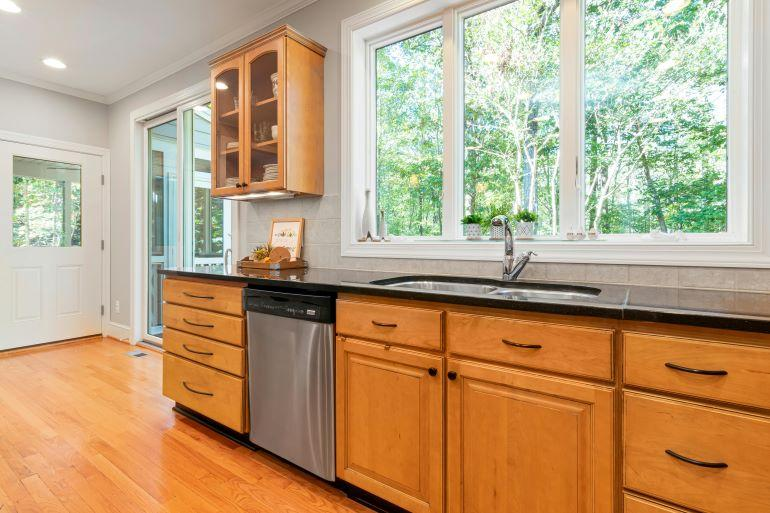 Existing layouts can inspire thoughtful renovation ideas.
Real Use Reveals Hidden Design Needs
Flawed kitchens expose everyday habits that polished showrooms often hide. Movement patterns become clearer when counters feel cramped, or storage sits too far away. As challenges appear, designers notice how cooking, cleaning, and preparation truly unfold. Therefore, observation replaces assumption and leads to practical decisions. Small frustrations highlight where efficiency breaks down. Gradually, design ideas respond to real behavior instead of visual trends. This process builds solutions rooted in daily function, helping layouts support comfort, speed, and natural movement throughout the space.
Resourcefulness and Technical Skills Grow Through Challenges
Limited budgets and unexpected structural issues often push designers toward smarter, more efficient solutions. Rather than replacing entire systems, strategic upgrades prioritize reuse, repair, and well-planned adjustments. This mindset not only reduces waste but also sharpens practical problem-solving skills.
During renovation preparation, organization becomes just as important as design decisions, particularly when kitchens or storage areas go offline. Understanding how to pack fragile items safely requires more than quick wrapping. First, gather the right packing materials, including sturdy double-walled boxes, packing paper, bubble wrap, and strong tape. Next, use proper cushioning materials to protect dishes and glassware from impact. Plates should stand vertically inside the box, with padding placed between each item and along the sides to prevent shifting. Any empty spaces must be filled to eliminate internal movement during transport. Finally, label every box clearly, especially when handling delicate items in active work zones where boxes may be moved several times.
At the same time, renovation projects often uncover hidden wiring faults or plumbing complications that demand coordination with licensed tradespeople. Addressing these technical surprises builds hands-on knowledge and reinforces confident, informed decision-making. Each obstacle becomes an opportunity to deepen construction expertise while maintaining control over quality and safety.
Daily Experience Turns Ideas Into Practical Solutions
Living inside an imperfect kitchen creates constant opportunities to test design ideas in real situations. Small inconveniences quickly reveal what works and what slows down everyday tasks. Instead of guessing, designers observe lighting changes, storage access, and movement patterns throughout the day. This ongoing interaction explains why moving into a “problem kitchen” can be the best thing for design creativity, since experience shapes smarter adjustments. Gradually, solutions evolve through repeated use rather than sudden inspiration. Each improvement responds directly to lived conditions, leading to layouts that support comfort, efficiency, and long-term satisfaction.
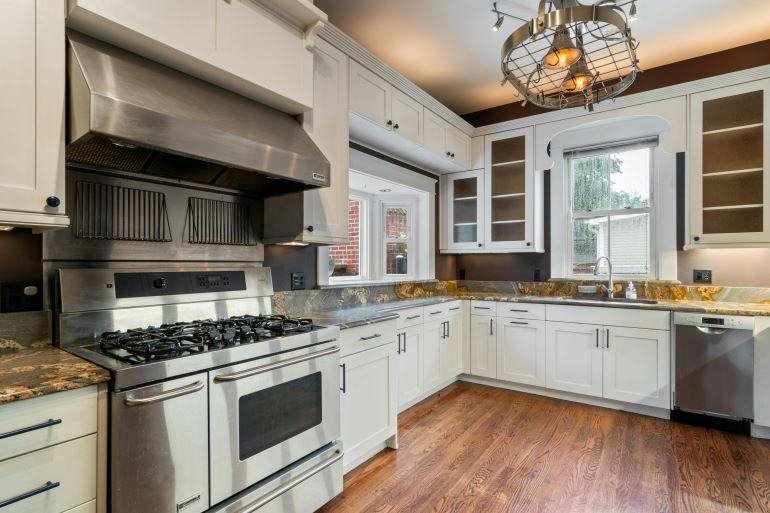 Think about everything so that you can make thoughtful design improvements to your kitchen.
Limitations, Shape Style, and Multifunctional Innovation
Design identity often develops when challenges demand original solutions instead of copied trends. Tight layouts encourage creative storage, flexible furniture, and adaptable surfaces that serve multiple purposes. As planning progresses, technical realities become impossible to ignore. Floor levels, structural limits, and installation constraints influence decisions during renovations & remodels, proving how physical conditions guide creative direction. These factors push designers to rethink proportions and functionality carefully. Consequently, problem-solving leads to distinctive styles shaped by necessity. Over time, multifunctional solutions improve efficiency while reflecting thoughtful design choices grounded in real spatial limitations.
Moving Into a “Problem Kitchen” Can Be the Best Thing for Design Creativity: Key Elements That Transform Challenging Kitchens
Taking on a “problem kitchen” often opens the door to smarter, more original design decisions. Constraints force clearer priorities, encourage resourceful thinking, and reveal opportunities that a blank-slate renovation might overlook. When handled strategically, challenging kitchens become the foundation for highly functional and visually distinctive spaces.
- Respecting Original Character - Older kitchens often include architectural details that deserve thoughtful preservation. Designers balance modernization with existing features to maintain authenticity. Careful updates protect history while improving everyday usability. Consequently, spaces gain depth and personality through intentional design choices. Thoughtful preservation also prevents unnecessary demolition and supports sustainable renovation practices.
- Improving Lighting for Function and Comfort - Poor lighting quickly exposes weaknesses during daily cooking tasks. Designers introduce layered lighting using task, ambient, and accent sources for better visibility. Strategic placement reduces shadows and improves safety. As lighting improves, the entire kitchen feels clearer and easier to use. Well-planned lighting also highlights textures and enhances visual balance.
- Collaboration Strengthens Creative Outcomes - Complex renovations require coordination between designers, builders, and specialists. Clear communication helps translate ideas into practical solutions. Collaboration introduces new perspectives that refine decisions. Therefore, teamwork often leads to smarter layouts and more durable results. Shared expertise also helps resolve unexpected construction challenges efficiently.
Emotional Connection Drives Meaningful Design Choices
Strong emotional connection often shapes the most thoughtful kitchen transformations. Daily interaction with imperfections builds patience and encourages deeper reflection about comfort and usability. Designers begin prioritizing cohesion instead of quick visual upgrades. Attention shifts toward creative decisions that unify materials, colors, and layout into a balanced environment. This mindset supports reviving your home with timeless design, where imperfect spaces evolve into lasting interiors with clear purpose. Gradually, emotional investment strengthens motivation and persistence during challenging phases. As a result, design outcomes feel intentional, practical, and deeply connected to everyday living experiences.
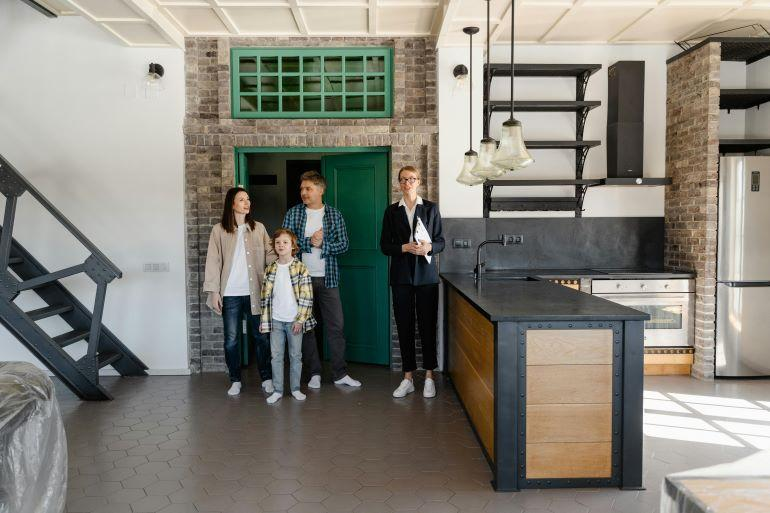 Take your time to explore layout improvements and modern design solutions after renovation.
Creative Growth Comes From Working With Imperfection
Design improvement often starts when imperfections demand attention and action. Exploring why moving into a “problem kitchen” can be the best thing for design creativity reveals how challenges push designers toward thoughtful solutions. Difficult spaces encourage patience, experimentation, and a deeper understanding of everyday routines. Instead of chasing perfection, designers learn to adapt ideas to real conditions and practical limits. Creative confidence grows when solutions actually improve daily life. Problem kitchens, therefore, act as training grounds where imagination meets reality, shaping design approaches that remain flexible, functional, and genuinely useful long after renovation ends.
Images used:
https://www.pexels.com/photo/a-woman-showing-a-man-the-construction-plan-8961298/
https://www.pexels.com/photo/a-clean-kitchen-5900798/
https://www.pexels.com/photo/fixtures-inside-a-home-kitchen-5353944/
https://www.pexels.com/photo/an-agent-touring-around-the-family-inside-the-house-7415009/
‹ Back
Recent Posts
-
How Much Planning Goes Into a Whole-Home Renovation in Tampa?
October 1, 2026
-
-

-

Building Safer Commercial Spaces: A Practical Guide for New Owners
September 15, 2026
-
Do Older Homes in Tampa Need Structural Upgrades Before Remodeling?
September 3, 2026