
.png)

By using our website, you agree to the use of cookies as described in our Cookie Policy
a
Rss Feed
What Permits Are Needed for Home Additions in Largo?
Most homeowners think permits are just red tape. Forms to fill out, fees to pay, another box to check before the real work begins. But the City of Largo sees it differently — and if you don't, you're setting yourself up for headaches. Permits aren't about slowing you down. They're about making sure your addition doesn't crack, flood, or catch fire two years from now. Especially when you're changing the footprint or tearing into walls.
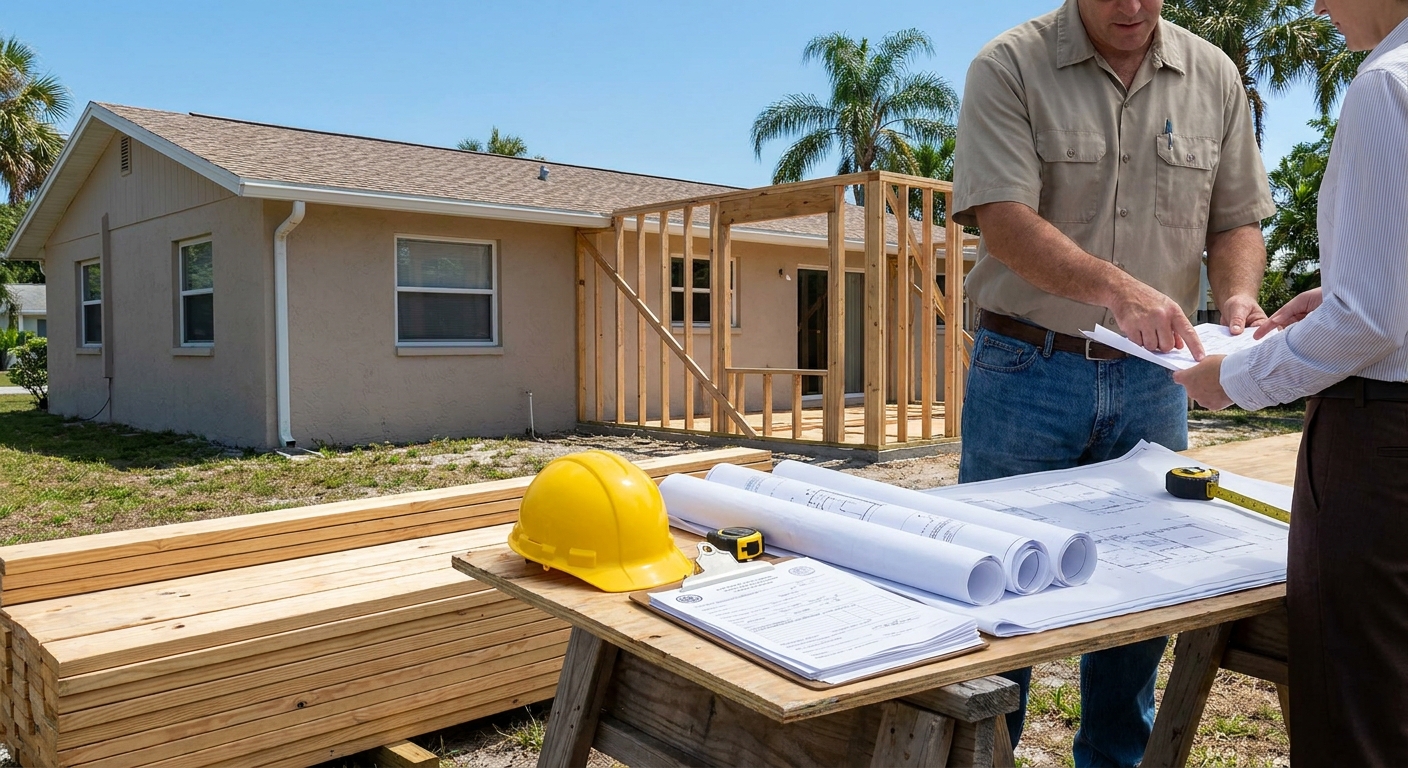
Here's the reality. If you're adding square footage to create something that lasts, that's smart. Just don't assume you can wing it without paperwork. Every beam needs approval. Every electrical line needs backup. And every build decision should be grounded in code compliance — not just what looks good on the blueprint.
When Approval Isn't Optional
Largo doesn't mess around when it comes to structural changes. You add a room, you need permission. You convert a garage, same deal. The city wants to see that your plans won't compromise safety, drainage, or neighborhood standards. And if you skip that step? You're not just risking fines — you're risking having to tear it all down.
Forgiveness isn't part of the building code. Unpermitted work shows up during inspections, resales, and insurance claims. We've seen it play out in real time with homeowners who thought they'd save a few bucks. They didn't. And when the city flags it, you're looking at stop-work orders and expensive fixes unless you can prove compliance.
The Core Permits You'll Actually Need
You can't just slap up drywall and call it an addition. Largo requires specific permits depending on what you're building and what systems you're touching. Miss one, and your project stalls — or worse, your final inspection gets rejected.
Here's where that matters most:
- Building permits cover the structure itself — walls, roofing, framing, anything that changes your home's layout or size.
- Electrical permits are required the moment you add outlets, lighting, or extend circuits. No exceptions, even for small upgrades.
- Plumbing permits kick in when you install sinks, showers, toilets, or run new water lines. The city wants proof it drains right.
- Mechanical permits apply if you're extending HVAC, adding vents, or installing new heating and cooling systems.
- Zoning approval ensures your addition fits property setbacks, height limits, and lot coverage rules. Skip this and your plans get rejected before you start.
What the City Actually Reviews
Want to get your permit approved? You'll need to prove your plans are solid — and that everything meets current code. Largo's Building Division has checkpoints you can't sidestep.
The city looks for three main things:
- Your plans are drawn to scale and include all structural, electrical, and plumbing details.
- Your addition complies with setback requirements, meaning it's not too close to property lines or neighboring structures.
- Your contractor or designer is licensed and insured, not just someone with a truck and a toolbox.
Fail one of those, and your application gets kicked back. Even if you've already paid fees. And if any portion of the work involves shared utilities or easements? That needs documentation too. No shortcuts when it comes to city infrastructure.
Largo Has Rules on Size and Placement
If your addition pushes your home's footprint beyond what zoning allows, there's a cap on what you can build. Largo enforces strict lot coverage limits and setback distances to keep neighborhoods balanced and drainage functional.
You'll need to submit a site plan showing exactly where your addition sits on the property. Most small to midsize additions clear these hurdles easily — but larger projects need extra scrutiny. Especially if they impact stormwater runoff or block access to utility lines.
Your Approval Is Only As Good As Your Paperwork
Want to keep your project moving? Show your work. You'll need more than a rough sketch and a handshake agreement to satisfy the city.
Here's what your documentation should include:
- Architectural drawings with dimensions, materials, and structural notes clearly marked.
- Site plans showing property lines, setbacks, existing structures, and proposed addition placement.
- Contractor licenses and proof of insurance for anyone doing the work.
- Engineered plans if you're adding a second story, expanding beyond certain square footage, or working in flood zones.
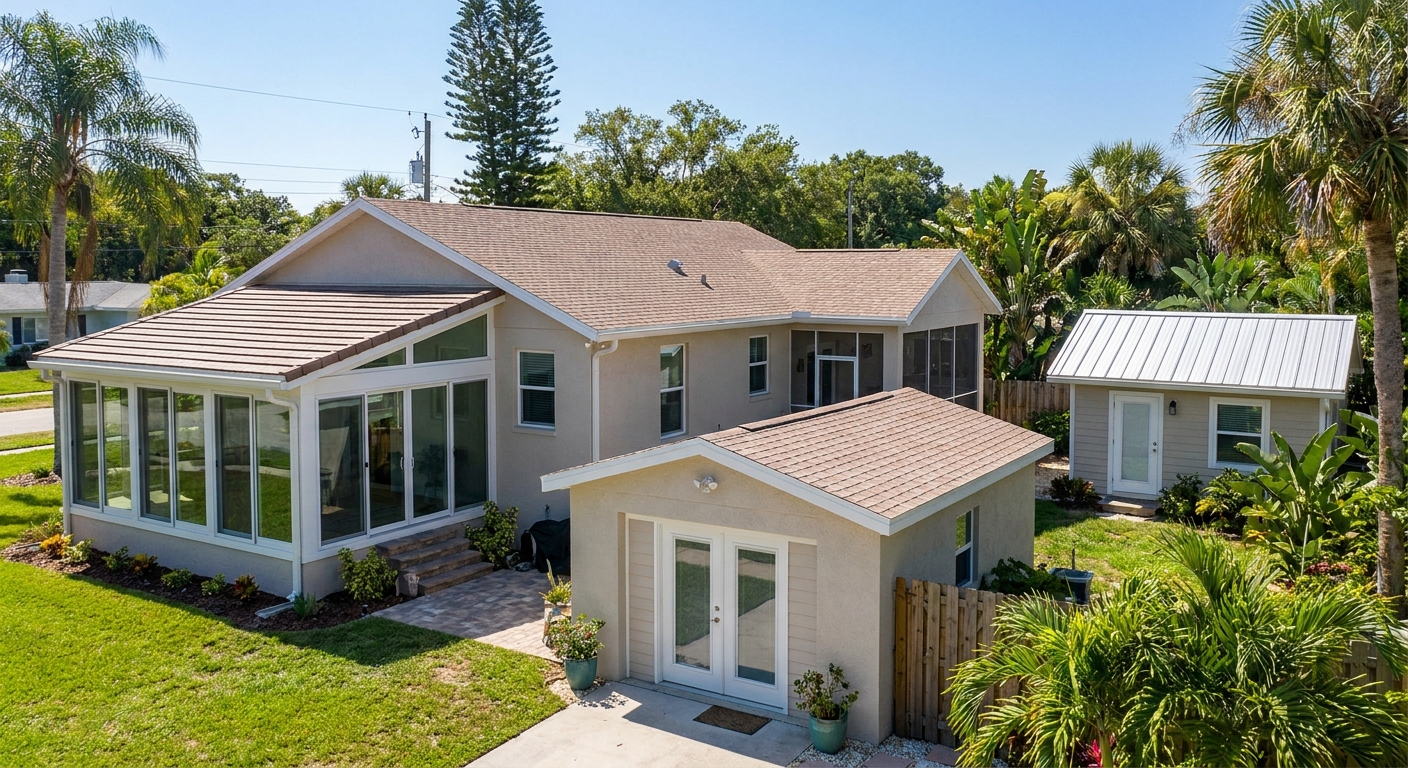
If the inspector shows up and your plans don't match what's built, you're in trouble. Mixing permitted and unpermitted work is one of the fastest ways to fail inspection. So if that sunroom you're adding also involves rewiring the panel, you'd better have both permits pulled.
Where Most Homeowners Get Tripped Up
Plenty of people assume they can start building and file permits later. Largo doesn't work that way. Starting without approval means automatic violations, and those don't just go away with an apology. Sloppy planning can cost you real money or even force demolition.
Most homeowners play it safe by hiring licensed contractors who handle permitting — and plenty stay on track by getting plans reviewed before breaking ground. Before beginning any home additions, understanding what you can legally build is essential, especially considering Florida's specific regulations.
Forgetting Inspections Happen in Stages
Don't assume one final walkthrough covers everything. Largo requires inspections at multiple points — foundation, framing, electrical rough-in, plumbing, mechanical, and final. Miss a callout, and you're backtracking to expose completed work. Schedule inspections as you go. It's tedious. It works.
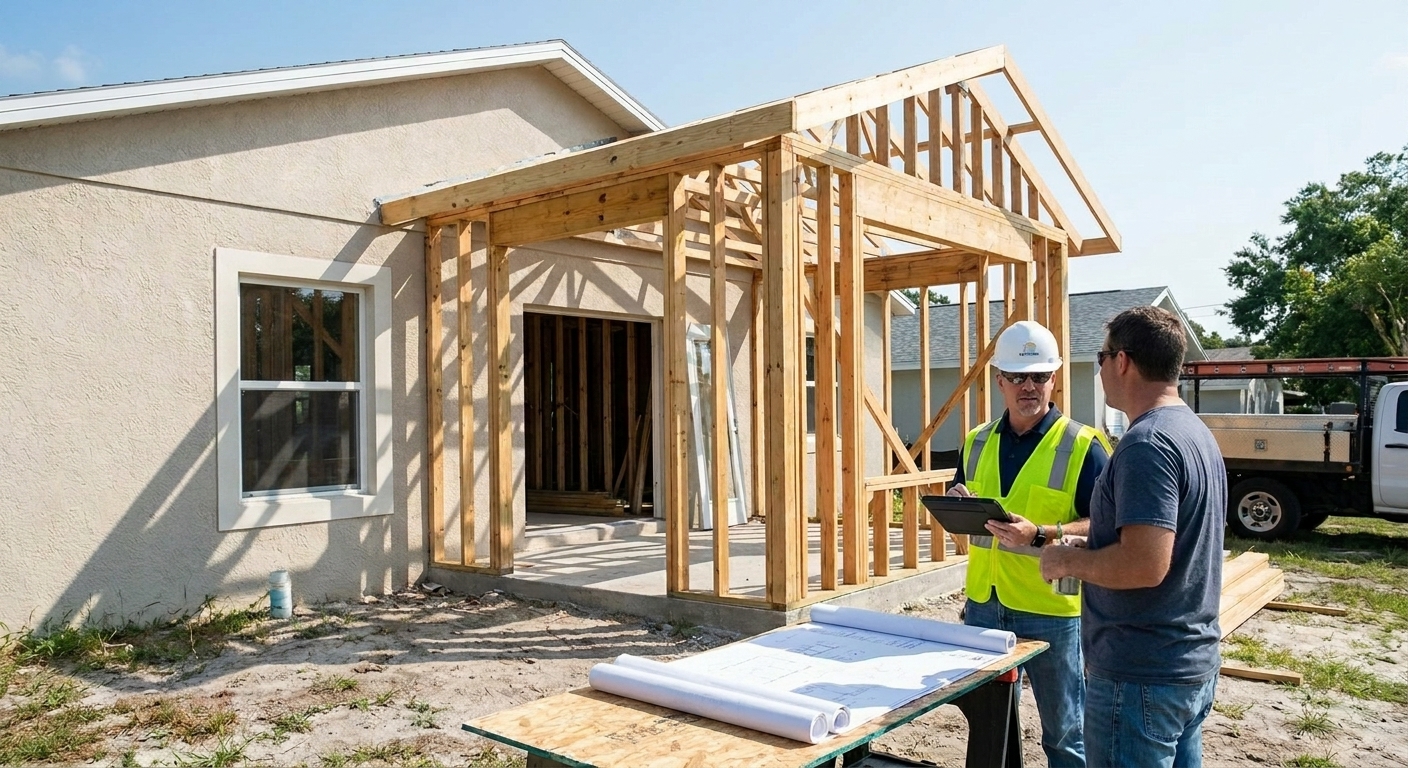
Ignoring Setback and Drainage Rules
If you build too close to your property line or block natural drainage flow, the city will make you fix it. Reference Largo's zoning ordinances and don't guess. That's what site plan reviews are for.
Common Questions Homeowners Ask
Can I skip permits for small additions? Not if it involves structural changes, electrical, plumbing, or alters your home's footprint. Even small projects trigger permit requirements if they touch major systems.
How long does permit approval take? Plan reviews typically take one to three weeks, depending on complexity. Incomplete applications take longer. Submit clean plans, and you'll move faster.
What happens if I build without permits? You risk fines, stop-work orders, and having to remove unpermitted work. Plus, it complicates future sales and insurance claims. Not worth the gamble. If you're considering buying a property with unpermitted work, understand what to be aware of before making that decision.
When Hiring a Pro Makes Sense
If your addition involves multiple trades, zoning variances, or engineered plans, you're in territory where DIY gets risky. A licensed contractor helps you navigate Largo's process without surprises.
Here's what they handle:
- Preparing permit-ready plans that meet city standards the first time.
- Coordinating inspections at every required stage so nothing gets missed.
- Ensuring all work complies with current building codes, not outdated methods.
- Managing subcontractors for electrical, plumbing, and mechanical permits.
- Keeping the city off your back with proper documentation and timely responses.
It's not just about getting your addition approved this year. It's about building something that holds value and passes scrutiny whenever it's tested. When evaluating a potential home builder, asking the right questions upfront can prevent costly mistakes. Understanding the benefits of home additions helps you make informed decisions about expanding your living space. For more creative options, explore home addition ideas that maximize your property's potential.
Building Smart Means Building Legal
Adding space to your home isn't the hard part. Getting it permitted correctly — and passing every inspection along the way — that's where projects go sideways. There's no excuse for cutting corners when the process is clear and the requirements are posted. But there's also no mercy when you ignore the rules and hope nobody notices. Largo's Building Division doesn't miss much, and unpermitted additions have a way of surfacing at the worst possible times.
Let’s Get Your Addition Approved the Right Way
We know how important it is to get your home addition done without delays or costly mistakes. If you want peace of mind and a smooth process from permits to final inspection, let’s work together to make it happen. Call us at 727-596-2390 or contact us today to get started on your project with confidence.
‹ Back
Recent Posts
-
-
How Much Planning Goes Into a Whole-Home Renovation in Tampa?
October 1, 2026
-
-
-

Building Safer Commercial Spaces: A Practical Guide for New Owners
September 15, 2026