.png)

By using our website, you agree to the use of cookies as described in our Cookie Policy
a
Rss Feed
How Long Does It Take to Build a Custom Home in Largo?
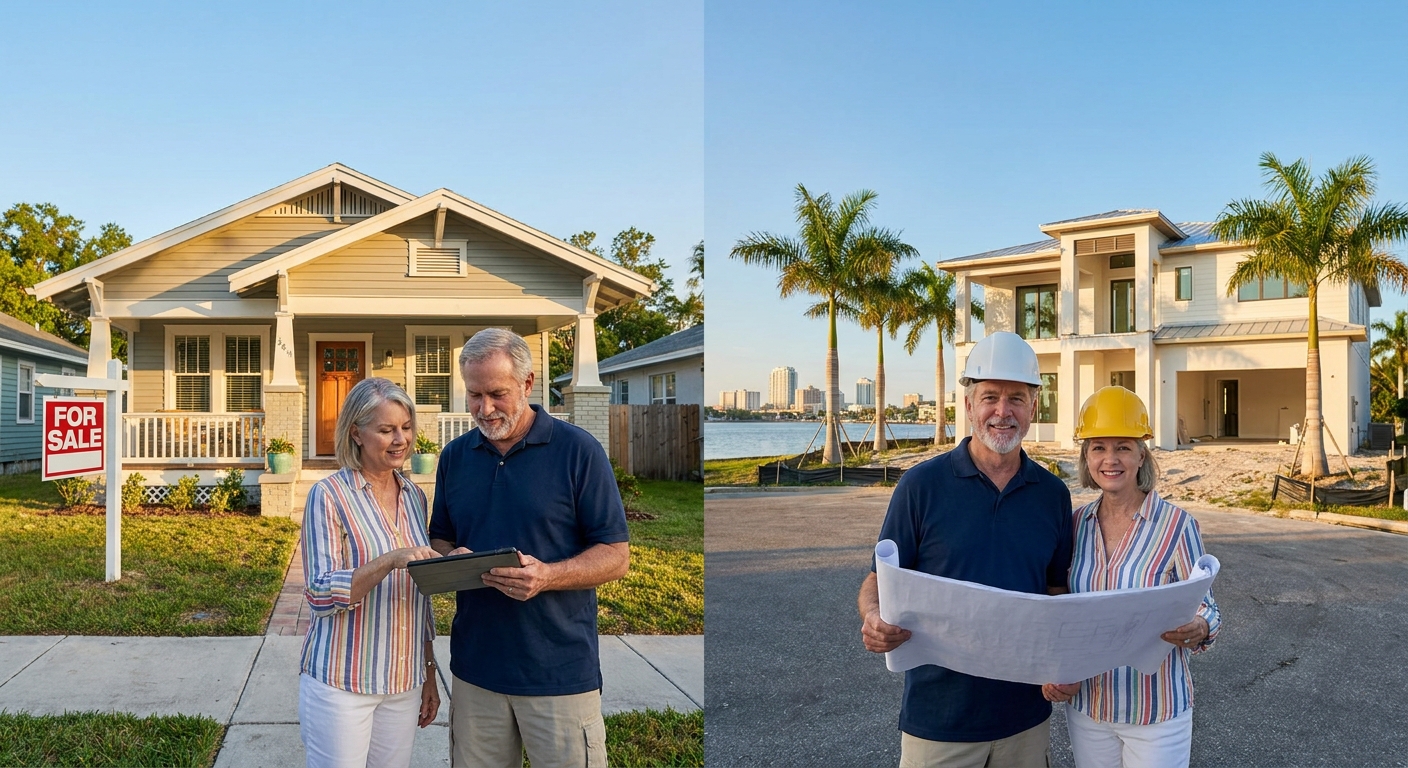
Most people planning a custom home focus on design and budget. That's fine until the timeline question hits — and suddenly, they're caught off guard. A custom build in Largo isn't a three-month sprint. It's a phased process that demands patience, coordination, and clear expectations. Weather delays happen. Permitting drags. Material shortages pop up. And if your builder doesn't know Largo's quirks, you're already behind before you break ground.
So here's what matters. If you're committing to a custom home, plan for 10 to 16 months minimum. That's not a worst-case estimate — that's the reality when everything goes reasonably well. And if you want to stay on schedule, you'll need more than optimism. You'll need documentation, decision-making discipline, and a builder who's done this before in this market.
Design and Planning Take Longer Than You Think
Before a single shovel hits dirt, you're spending weeks — sometimes months — locked in design mode. This is where you work with an architect or designer to translate ideas into blueprints. Every layout decision, every material choice, every elevation detail has to be nailed down. And if you're indecisive or keep changing your mind, this phase stretches fast.
Expect one to three months here. The more complex your vision, the longer it takes. Custom means custom — and that requires clarity upfront. If you're still tweaking floor plans two months in, you're not behind yet. But you're close.
Permitting Is Where Largo Shows Its Hand
Once your plans are finalized, they go to the City of Largo for review. This isn't a rubber stamp. The permitting office checks everything against local codes, zoning rules, and environmental regulations. If something's off, you get sent back for revisions. If the office is backlogged, you wait.
Plan for one to two months, sometimes longer. Working with a builder who knows Largo's permitting process helps. They've seen the common hiccups and can prep your submission to pass the first time. But even then, delays happen. This is one area where we can't force the clock.
Site Prep and Foundation Work Get the Build Moving
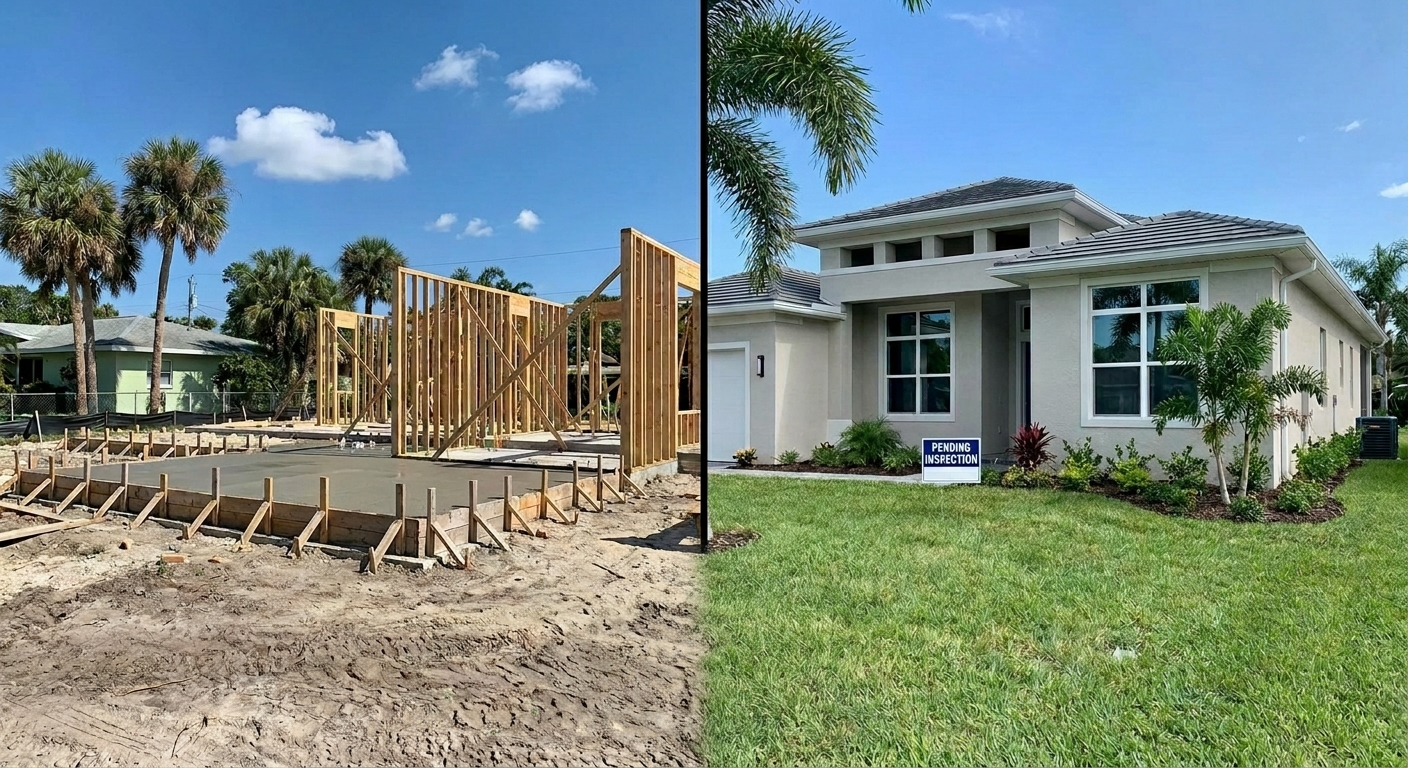
With permits in hand, the real construction begins. The site gets cleared, graded, and prepped. Then the foundation goes in — slab, pier and beam, or whatever your design calls for. In Largo, this phase runs into Florida's weather patterns. Heavy rain can stall site work for days at a time, especially during summer.
Budget one to two months here. If your lot has drainage issues or requires extra fill, add time. If the soil needs testing or remediation, add more. Foundation work doesn't wait for perfect conditions, but it does respect reality. Rushing this stage leads to problems that show up years later.
Framing Brings the Structure to Life
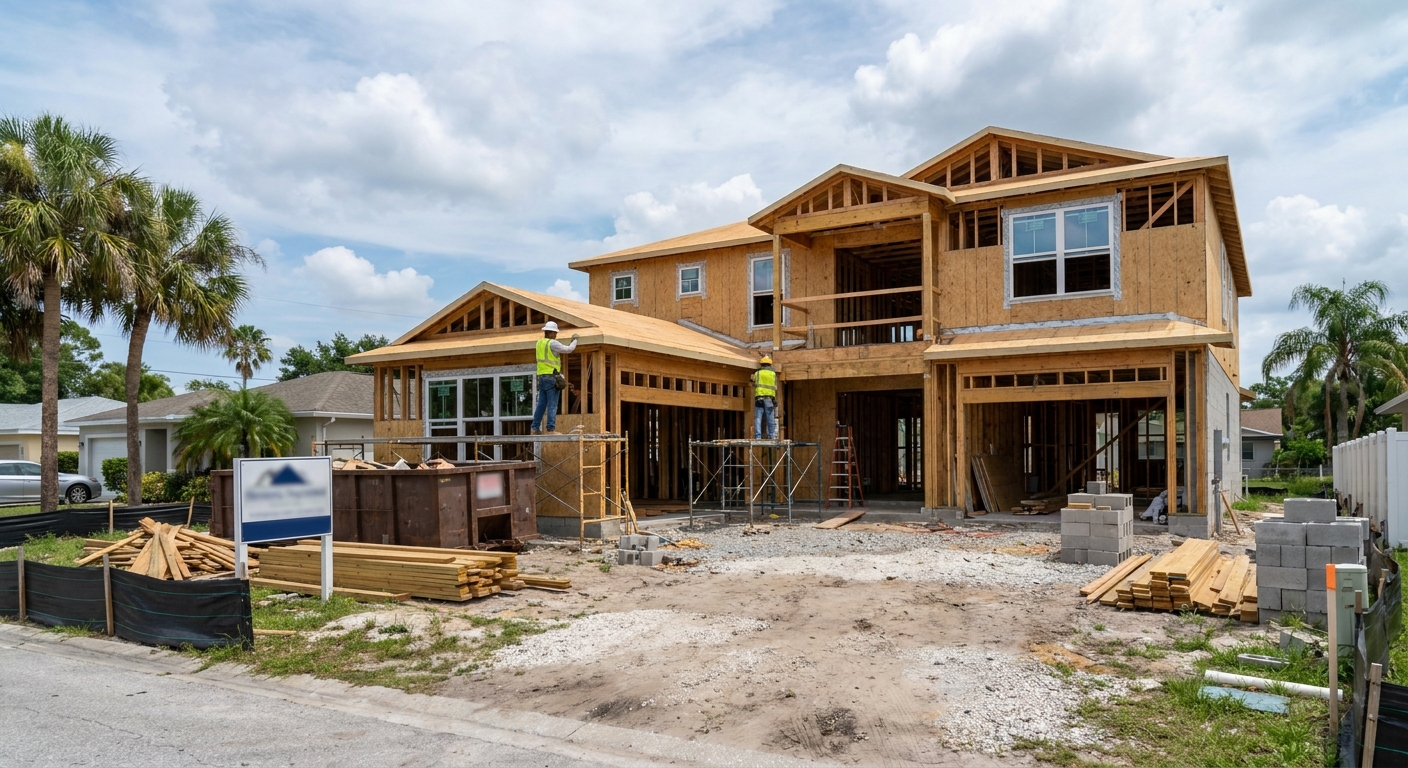
Once the foundation cures, framing starts. This is when your home takes shape. Walls go up, roof trusses get set, and suddenly the build feels real. It's also one of the faster phases — assuming materials arrive on time and the crew stays on schedule.
Most framing jobs in Largo take one to two months. Weather still matters here, especially for roof work. But once framing wraps, you're past the most visible part of construction. From the outside, it looks like progress. From the inside, there's still a long road ahead.
Systems Installation Is Where the Real Work Hides
After framing comes the guts of the house. Plumbing lines, electrical wiring, HVAC ducts — all the systems that make a home livable get installed during this phase. Inspections happen at multiple checkpoints, and if something doesn't pass, the whole timeline shifts.
This stage typically runs one to two months. The more complex your systems — think whole-home automation, advanced HVAC zones, or custom plumbing layouts — the longer it takes. And every inspection adds a buffer. You can't drywall until electrical passes. You can't insulate until plumbing clears. The sequence matters, and so does the inspector's schedule.
Finishes Determine How Custom It Really Feels
Now comes the part everyone notices. Drywall goes up, flooring gets laid, cabinets get installed, paint goes on the walls. Exterior work wraps too — roofing, siding, landscaping. This is where your custom choices really show, and it's also where material delays hit hardest.
Plan for two to four months, depending on finish complexity. Custom tile work takes longer than standard. Imported fixtures take longer than stock. If you're waiting on a specific backsplash or a made-to-order vanity, that wait becomes everyone's wait. And if you change your mind mid-install, the timeline stretches again.
Final Inspections and Walkthrough Close the Loop
Before you move in, the home has to pass final inspections. City inspectors check everything — structural, electrical, plumbing, mechanical, safety. If something's flagged, it gets corrected and re-inspected. Once everything clears, you receive a certificate of occupancy and the keys are yours.
This phase usually takes about a month. It's not always active construction time — sometimes it's just waiting for inspection slots or minor punch-list fixes. But it's still part of the timeline, and it's not optional. No certificate, no move-in.
What Slows Down a Largo Custom Build
Even with a solid plan, delays happen. Some are predictable. Others aren't. But most fall into a few common categories, and knowing them upfront helps you plan around the risk.
- Weather disruptions, especially during Florida's rainy season
- Permitting backlogs or required revisions from the city
- Material shortages or delays on custom orders
- Change orders that shift scope mid-construction
- Subcontractor scheduling conflicts or labor shortages
Every one of these can add weeks. And when they stack, a 12-month build becomes 16 months fast. That's why buffers matter — and why we don't promise timelines tighter than reality allows.
How to Keep Your Timeline From Falling Apart
Want to avoid the worst delays? Start with discipline. Make your design decisions early and commit to them. Changing tile selections halfway through framing doesn't just slow finishes — it can ripple backward through scheduling, ordering, and crew availability.
- Lock in your design before permitting starts
- Choose a builder with proven Largo experience
- Stay in regular contact with your project manager
- Order long-lead materials early, especially custom items
- Build in a time buffer for the unexpected
We've seen projects finish early. We've also seen them drag six months past deadline. The difference almost always comes down to preparation, communication, and realistic expectations from day one.
Why Experience in Largo Specifically Matters
Not all builders know Largo's permitting process, soil conditions, or typical weather delays. A builder who's done 50 homes in Tampa might be great — but they're still learning the ropes when they hit Largo. Local experience cuts weeks off the timeline just by knowing what to expect and how to navigate it.
- Familiarity with city inspectors and their focus areas
- Understanding of Largo's drainage and soil requirements
- Relationships with local suppliers and subcontractors
- Track record of handling Florida weather delays
This isn't just about speed. It's about avoiding mistakes that cost time and money. A builder who's done this in Largo before knows where the landmines are buried.
When the Timeline Shifts, Communication Is Everything
Delays will happen. That's construction. What separates a manageable delay from a disaster is how quickly you find out and how honestly your builder communicates. If your project manager goes dark for two weeks, you're not just losing time — you're losing trust.
- Weekly updates on progress and any timeline changes
- Clear explanations when delays occur
- Proactive problem-solving before issues compound
- Transparency around costs if scope shifts
We don't sugarcoat timelines. If a permit's delayed, we say so. If a material's backordered, we find alternatives or adjust the schedule. That's how you keep a project moving even when the path changes.
Building Smart Means Planning for What You Can't Control
Custom homes don't get built on hope. They get built on preparation, flexibility, and a clear understanding of what's realistic in Largo's market. Ten to sixteen months is the range — but only if you're working with a team that knows how to manage the variables. Permitting, weather, material lead times, inspection schedules — none of that bends to your ideal timeline. It bends to reality. And the builders who respect that reality are the ones who deliver homes that last. Understanding questions to ask a potential home builder helps ensure you're working with someone who can navigate these complexities effectively. For those considering other options, learning about the benefits of buying a newly constructed home can provide valuable perspective on whether a custom build or a new construction purchase better suits your needs.
Ready to Build Your Dream Home in Largo?
Building a custom home is a journey, and the right team makes all the difference. Let’s turn your vision into a reality—on time and with no surprises. If you’re ready to get started or have questions about the process, call us at 727-596-2390 or contact us today. Together, we’ll make your Largo home everything you’ve imagined and more.
‹ Back
Recent Posts
-
-
-

Building Safer Commercial Spaces: A Practical Guide for New Owners
September 15, 2026
-
Do Older Homes in Tampa Need Structural Upgrades Before Remodeling?
September 3, 2026
-