.png)

By using our website, you agree to the use of cookies as described in our Cookie Policy
a
Rss Feed
Essential Tips for Choosing the Right Custom Home Builder in Florida
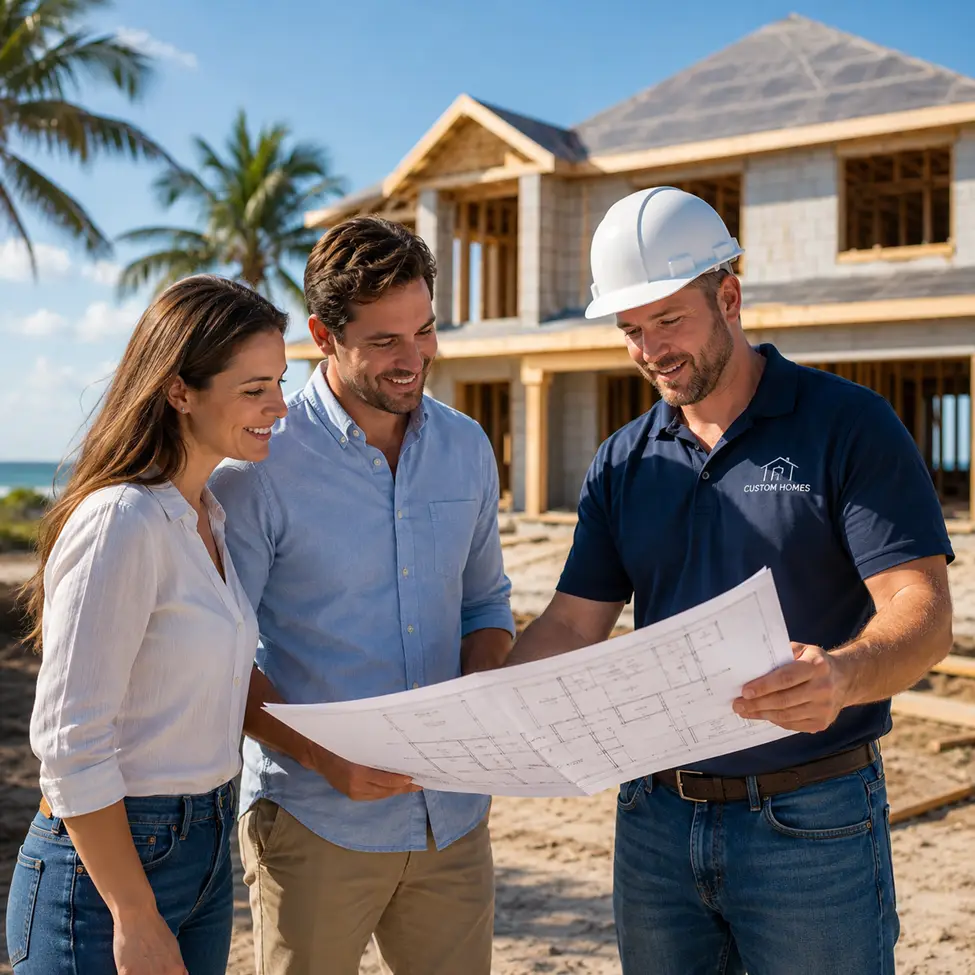
Building a home from the ground up is one of the most exciting and personal investments you will ever make. It is also one of the most complex. From navigating hurricane codes to selecting the right layout for Florida's climate, the process demands a partner who understands both the craft and the region. Choosing the right custom home builder in Florida can mean the difference between a smooth, enjoyable journey and a stressful, budget draining experience.
Florida's housing market is unique. Between coastal weather patterns, strict building codes, and a huge variety of architectural styles across the state, hiring the right professional matters more here than in many other parts of the country. Whether you are dreaming of a modern coastal retreat in Naples or a spacious family home in Orlando, the builder you choose will shape every part of the outcome, from design flexibility to final quality.
This guide walks you through the essential tips for finding a trustworthy, skilled, and communicative home builder in Florida, so you can move forward with confidence and avoid common pitfalls along the way.
Understand What Makes Florida Home Building Different
Before you start interviewing companies, it helps to understand why building in Florida requires a specialized approach. The Sunshine State faces unique challenges that a general contractor unfamiliar with the region may not fully appreciate
Hurricane and wind load requirements. Florida enforces some of the strictest building codes in the country, particularly around wind resistance and impact windows. A qualified custom home builder in Florida should be well versed in these codes and able to explain how your home will be engineered to withstand severe weather.
Humidity and moisture control. The state's climate creates constant exposure to heat and moisture, which can lead to mold, mildew, and structural issues if not addressed properly. Experienced builders design homes with proper ventilation, moisture barriers, and drainage systems that keep interiors dry and comfortable year round.
Foundation and soil considerations. Depending on where you are building, whether it is sandy coastal soil or the limestone bedrock common in central Florida, foundation requirements can vary significantly. A local builder will already understand these nuances and plan accordingly.
Energy efficiency needs. With long, hot summers, energy efficient design is not a luxury in Florida, it is a necessity. Insulation, window placement, roofing materials, and HVAC systems all play a role in keeping utility bills manageable.
Understanding these regional factors will help you ask smarter questions when evaluating potential builders and will make it easier to spot a company that truly knows the local landscape versus one that is simply generalizing.
Research Credentials, Licensing, and Local Experience
Once you understand the regional considerations, the next step is verifying that a builder is qualified, licensed, and experienced enough to bring your vision to life.
Confirm proper licensing. Every home builder in Florida should hold a valid state contractor license, which can be verified through the Florida Department of Business and Professional Regulation. This step alone can help you avoid unlicensed operators who may cut corners or lack proper insurance coverage.
Ask about insurance coverage. A reputable builder carries both general liability insurance and workers' compensation coverage. This protects you financially in case of accidents, property damage, or disputes during construction.
Look for local project history. A builder who has completed multiple projects in your specific region will understand local permitting offices, zoning restrictions, and inspection processes far better than an out of state company. Ask to see a portfolio of recently completed homes, ideally in a style similar to what you are envisioning.
Check references and reviews. Speaking directly with past clients gives you insight that online reviews alone cannot provide. Ask former clients about communication style, how issues were handled, whether the project stayed on budget, and if the final result matched expectations.
Evaluate industry involvement. Builders who are active members of organizations such as the Florida Home Builders Association often stay current on code changes, new materials, and best practices. This kind of ongoing education can translate into a better built home for you.
Taking the time to research these details upfront saves significant headaches later. A builder with the right credentials and a strong local track record is far more likely to deliver a home that meets both your expectations and Florida's demanding construction standards.
Evaluate Communication, Transparency, and the Building Process
Even the most technically skilled builder can create a frustrating experience if communication is poor. This is one of the most overlooked factors when choosing a custom home builder in Florida, yet it often determines how enjoyable, or stressful, the entire process turns out to be.
Assess responsiveness early on. Pay attention to how quickly a builder responds to your initial inquiries and how clearly they answer your questions. If communication feels slow or vague before you have even signed a contract, it is unlikely to improve once construction begins.
Ask about the design and planning process. A trustworthy builder should walk you through each phase clearly, from initial consultation and architectural design to permitting, groundbreaking, framing, and final walkthrough. Understanding this timeline helps set realistic expectations from day one.
Request a detailed, itemized contract. Vague estimates are a red flag. A professional home builder in Florida will provide a written contract that breaks down costs for materials, labor, permits, and any allowances for items like flooring, cabinetry, or fixtures. This transparency prevents unpleasant surprises when it is time to settle the final bill.
Clarify how changes and upgrades are handled. Custom homes often involve adjustments along the way. Ask how change orders are documented and priced, so you are never caught off guard by unexpected charges.
Discuss project management structure. Will you have a single point of contact throughout the build, or will you be juggling multiple subcontractors and vendors on your own? Builders who assign a dedicated project manager tend to keep timelines tighter and communication smoother.
Ask about post construction support. Some builders offer walkthroughs after move in to address minor issues such as small drywall cracks or squeaky doors that can occur as a new home settles. Others may also coordinate final touches like duct cleaning to ensure your HVAC system starts off clean and efficient. Knowing what kind of support is included after closing can add real peace of mind.
A builder who communicates openly, documents everything in writing, and sets clear expectations from the start is far more likely to deliver a stress free building experience.
Compare Quality, Value, and Long Term Reliability
Price is naturally a major factor in choosing a home builder, but the lowest bid is not always the best decision. Comparing quality and long term reliability alongside cost will help you make a smarter investment.
Compare apples to apples. When gathering quotes from different builders, make sure each estimate includes the same specifications, materials, and finishes. A lower price might simply reflect cheaper materials or a smaller scope of work, which could cost you more in repairs or upgrades down the road
Ask about warranty coverage. Reputable custom home builders typically offer structural warranties that cover major systems for a set number of years. Understanding what is covered, and for how long, gives you protection well after move in day.
Evaluate material and craftsmanship standards. Walk through a few completed or in progress homes if possible. Look closely at finishing details such as trim work, cabinetry alignment, and paint quality. These small details often reveal a builder's overall attention to craftsmanship.
Consider energy efficient options. Ask whether the builder offers upgraded insulation, high performance windows, or energy efficient appliances. These choices may increase upfront costs slightly but often pay for themselves through lower utility bills over time, which is especially valuable in Florida's warm climate
Think about resale value. A well built custom home in a desirable Florida location, constructed with quality materials and thoughtful design, tends to hold or increase in value over time. Choosing a builder known for strong craftsmanship protects your investment for years to come.
Trust your instincts. Beyond the numbers, consider how comfortable you feel with the team. Building a home is a months long relationship, and working with people you trust and enjoy communicating with makes the entire journey far more pleasant.
Balancing cost with quality, warranty protection, and craftsmanship ensures you are not just building a house, but investing in a home that will serve your family well for decades.
Conclusion: Build With Confidence
Choosing the right custom home builder in Florida is one of the most important decisions you will make in the entire home building journey. From understanding the state's unique climate and code requirements to verifying licensing, comparing communication styles, and evaluating long term value, each step you take toward due diligence brings you closer to a home you will love for years to come.
Take your time, ask thorough questions, and do not be afraid to walk away from a builder who cannot provide clear answers or a transparent contract. The right home builder in Florida will feel less like a vendor and more like a true partner in bringing your vision to life.
‹ Back
Recent Posts
-
Do Older Homes in Tampa Need Structural Upgrades Before Remodeling?
September 3, 2026
-
-
-
Can You Stay in Your Tampa Home During a Major Remodel?
August 6, 2026
-