
.png)

By using our website, you agree to the use of cookies as described in our Cookie Policy
a
Rss Feed
How Much Planning Goes Into a Whole-Home Renovation in Tampa?
Most Tampa homeowners think renovation is about picking finishes and signing checks. But the real work happens before the first wall comes down. A whole-home renovation isn't just a construction project—it's a test of logistics, compliance, and whether you actually know what you want. The homes here come with quirks. Old plumbing that's been patched a dozen times. Electrical panels that haven't been touched since the '80s. Moisture damage hiding behind drywall because this is Florida and water always finds a way in.
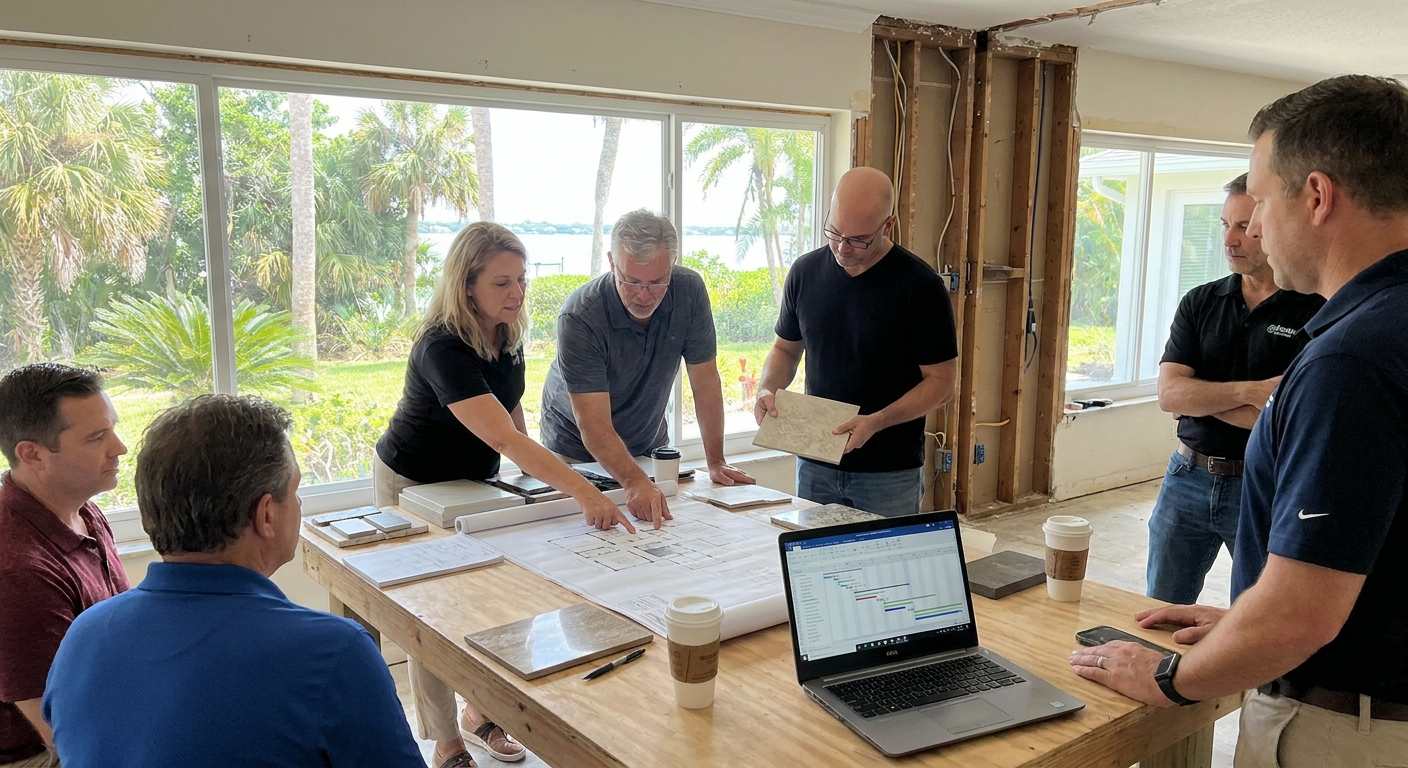
So if you're planning to gut and rebuild, understand this: the planning stage is where projects succeed or blow up. Skip steps now, and you'll pay for it later. Every decision—budget, permits, materials, timeline—needs to be locked in before demo day. Because once the walls are open, there's no room for guesswork.
Defining What You Actually Want
Before you talk to a contractor, get clear on what this renovation is supposed to accomplish. Are we boosting resale value in a hot neighborhood like South Tampa? Are we aging in place and need accessibility upgrades? Or are we just tired of living in a house that doesn't work for how we actually live? The answer shapes everything—layout, finishes, systems, budget. And it determines whether this project makes financial sense or just feels good on Pinterest.
Tampa's market moves fast, and not every upgrade pays off equally. Adding square footage in Seminole Heights might be smart. Overbuilding in a neighborhood that tops out at $400K is not. We need to match the scope to the reality of what the home can support and what the block will bear. That means research, comps, and honest math—not just mood boards.
Budget Reality and Contingency Cash
Setting a budget is step one. Setting a realistic budget is harder. Tampa renovation costs vary wildly depending on the age of the home, the part of town, and how much hidden home renovation costs get uncovered once demo starts. Older homes near the water? Plan for rot, mold, and outdated systems. Newer builds in sprawl zones? You might dodge some of that, but material and labor costs are still climbing.
Every budget needs a buffer. We recommend at least 15-20% set aside for surprises. Because they will happen. The HVAC ducts are shot. The slab has cracks. The roof decking is soft in three spots. That's not pessimism—it's pattern recognition. The homes that skip contingency planning are the ones that stall out halfway through or cut corners to finish.
Navigating Tampa Permits and Code
You can't just tear into a house and hope the city doesn't notice. Tampa has building codes, zoning rules, and permitting requirements that vary by district. If the home sits in a flood zone or a historic area, the restrictions get tighter. We've seen projects delayed for weeks because permits weren't filed early enough or because someone assumed a minor change didn't need approval.
This is where working with local pros pays off. A contractor or architect who knows Tampa's system can move faster and avoid the kind of rookie mistakes that trigger stop-work orders. Pull permits for everything that needs them. Electrical, plumbing, structural changes, roofing—none of that flies under the radar, and trying to skip it creates liability we don't want.
Building the Right Team
A whole-home renovation involves more people than most homeowners expect. You'll need a general contractor to manage the job, but you'll also need subcontractors for every trade. Electricians, plumbers, HVAC techs, roofers, tile setters, painters. Depending on the scope, you might also bring in an architect, a structural engineer, or an interior designer.
Not all contractors are built the same. We want someone who's handled full renovations in Tampa before—someone who understands the climate challenges, the local supplier network, and how to keep a job moving when the summer storms roll in. Check references. Look at completed projects. Make sure they're licensed, insured, and familiar with the specific issues Tampa homes tend to surface.
- General contractor with local whole-home experience
- Licensed electricians and plumbers
- HVAC specialists familiar with Florida humidity
- Architect or designer if layout changes are involved
- Structural engineer for load-bearing wall removal or foundation concerns
Design Decisions Happen Early
The design phase is where we translate goals into actual plans. That means floor plans, elevations, material specs, fixture selections. In Tampa, smart design accounts for heat, humidity, and hurricane risk. We prioritize impact-rated windows, moisture-resistant flooring, proper ventilation, and outdoor spaces that actually get used year-round.
Material choices matter more here than in drier climates. Hardwood can warp. Cheap cabinetry swells. Metal fixtures corrode faster near saltwater. We look for products engineered to handle Florida's conditions without constant maintenance. And we source them early, because lead times on quality materials can stretch weeks or months depending on the supplier.
- Impact windows and doors rated for wind pressure
- Moisture-resistant flooring like luxury vinyl or tile
- Mold-resistant drywall and insulation
- Energy-efficient HVAC sized correctly for the space
- Outdoor materials built to withstand UV and humidity
Scheduling Around Weather and Availability
Construction timelines in Tampa aren't just about how fast the crew works. Weather plays a role. The rainy season runs roughly June through September, and afternoon thunderstorms can shut down exterior work for hours at a time. Roofing, siding, and concrete pours all get delayed when it's pouring. Plan for it, or watch the schedule slip week after week.
Contractor availability is another variable. The best crews book out months in advance, especially during the busy season. If we're aiming for a specific start date, we need to lock in our team early and build in flexibility for material delays, permit approvals, and inspection schedules. A realistic whole-home renovation timeline in Tampa runs anywhere from three to six months, sometimes longer if the scope is large or the home is older.
- Demo and rough-in work can happen rain or shine
- Exterior projects should avoid peak rainy months when possible
- Inspections need to be scheduled in advance and can't be rushed
- Material delays are common—order early and confirm lead times
- Contractor schedules fill up fast, so commit early
What Gets Uncovered During Demo
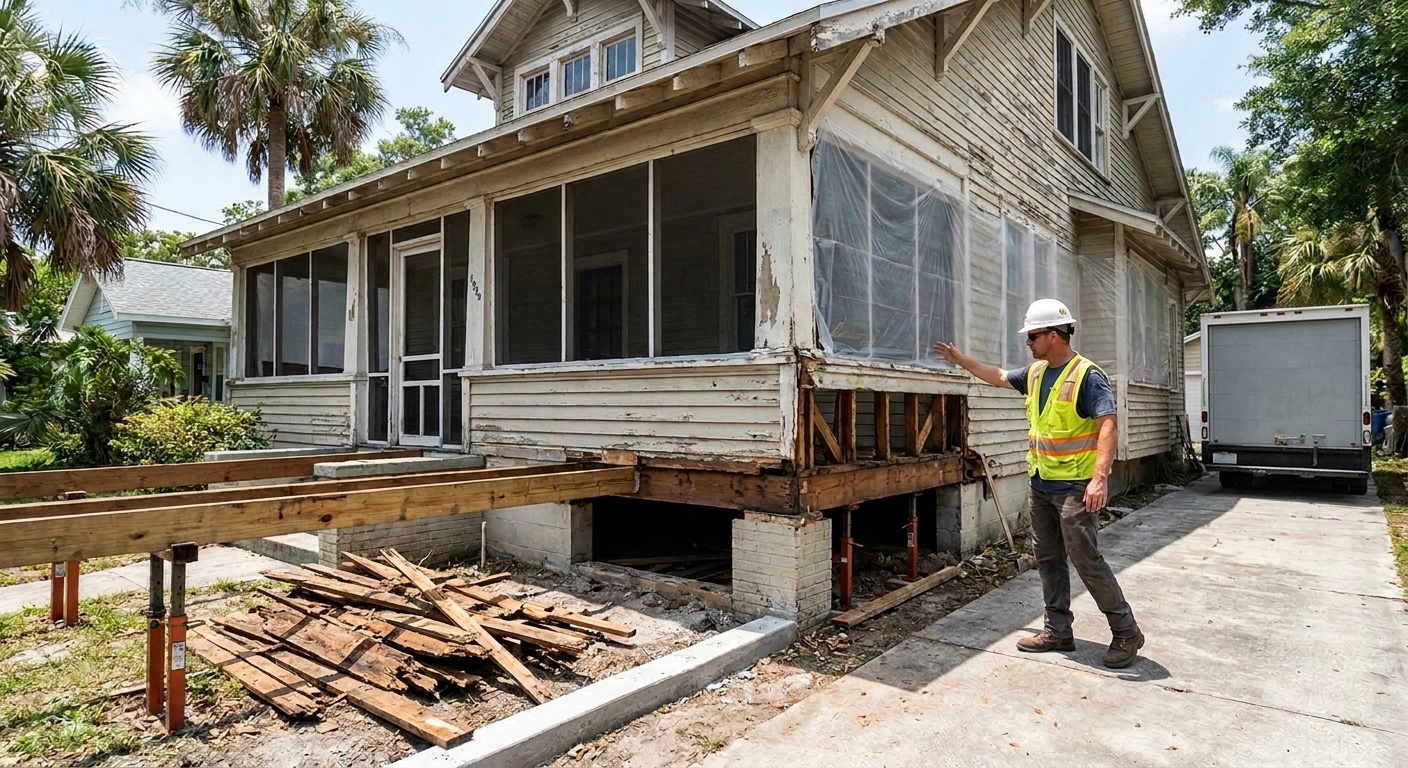
No matter how much planning goes in upfront, demo day reveals the truth. We've opened walls to find rotted studs, outdated knob-and-tube wiring, or plumbing that's been leaking for years behind the tile. In Tampa, moisture intrusion is almost guaranteed in older homes. Whether it's a roof leak, a slow pipe drip, or just decades of humidity, the damage compounds over time.
That's why contingency budgets exist. Once we know what's behind the drywall, we can adjust the scope and pricing. Trying to ignore structural or mechanical issues to stay on budget is a mistake that comes back to haunt us—either during resale or when the system fails a year later. Fix it right the first time, even if it means pushing the timeline or reallocating funds from somewhere else.
- Water damage in walls, ceilings, or subfloors
- Outdated electrical panels or aluminum wiring
- Old cast-iron plumbing that's corroded or cracked
- Termite damage in framing or floor joists
- HVAC ducts that are disconnected or full of mold
Documentation Saves Money and Hassle
Every decision, every change order, every invoice needs a paper trail. We document the scope of work in the contract. We keep receipts for materials. We photograph the home before, during, and after construction. If a dispute comes up with the contractor, or if we need to file an insurance claim, or if the city questions something during inspection, we'll need proof.
Good documentation also helps us track the budget in real time. When costs start creeping up, we can see exactly where the money's going and decide whether to adjust scope or find savings elsewhere. Spreadsheets, cloud storage, project management apps—whatever system works, just use it consistently. The homes that stay on budget are the ones tracking every dollar from day one.
Renovation Planning Wins Before Construction Starts
The difference between a renovation that finishes strong and one that drags on for months comes down to planning. We can't control every surprise that pops up, but we can control how prepared we are to handle it. Budgets with buffers. Permits filed early. Teams vetted and scheduled. Materials sourced before demo. Expectations set with everyone involved.
Tampa's housing stock rewards the homeowners who do their homework. The ones who understand the climate challenges, the permitting landscape, and construction cost realities. A whole-home renovation isn't a quick flip—it's a commitment that requires strategy, patience, and a willingness to invest in quality over shortcuts. Understanding common causes of renovation delays helps projects stay on track. Working with experienced professionals for remodeling services ensures quality outcomes. Plan it right, and the payoff is a home that works better, lasts longer, and actually reflects how we want to live.
Ready to Start Your Tampa Renovation?
We know that planning a whole-home renovation in Tampa can feel overwhelming, but with the right team and a solid plan, your dream home is within reach. Let’s talk about your goals, your budget, and how we can make the process smooth from start to finish. Call us at 727-596-2390 or contact us today to get your project moving in the right direction.
‹ Back
Recent Posts
-
How Much Planning Goes Into a Whole-Home Renovation in Tampa?
October 1, 2026
-
-
-

Building Safer Commercial Spaces: A Practical Guide for New Owners
September 15, 2026
-
Do Older Homes in Tampa Need Structural Upgrades Before Remodeling?
September 3, 2026