

By using our website, you agree to the use of cookies as described in our Cookie Policy
a
Rss Feed
Designing a Home for the Things You Actually Do After Leaving a Four-Season Lifestyle
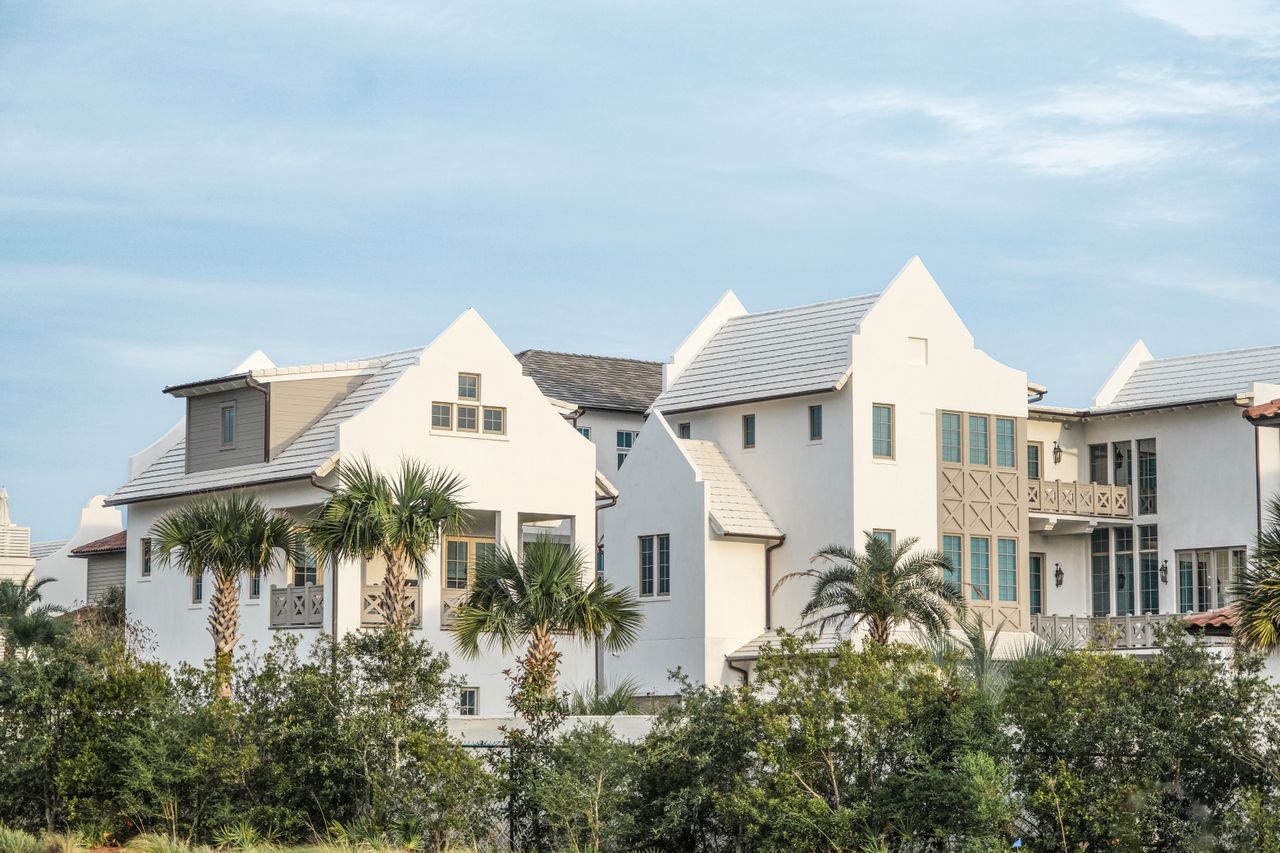
Moving from a four-season climate to Florida changes more than your wardrobe. Weekend routines shift, outdoor activities become part of everyday life, and spaces that once seemed essential may no longer serve a purpose. A formal dining room might sit empty while the patio becomes everyone's favorite gathering spot. That's why designing a home for the things you actually do matters more than recreating the layout of your previous house. The goal is to build around your new habits, Florida's climate, and the activities that make your days enjoyable.
How Does Leaving a Four-Season Climate Change Your Space Needs?
Leaving a four-season climate changes how you use indoor and outdoor spaces. Florida's warmer temperatures create opportunities for activities that were previously limited to certain months.

Before committing to major projects, consider what upgrades add the most value to a home renovation based on your actual routines. A covered patio might offer greater everyday benefits than another formal living area.
Think about the activities that may become more frequent:
- Hosting casual dinners outdoors.
- Swimming, cycling, or kayaking throughout the year.
- Spending mornings on a shaded terrace or screened porch.
- Entertaining visiting family members during winter.
- Storing outdoor equipment used regularly rather than seasonally.
These activities should influence your floor plan before construction begins
What Should You Consider Before Planning Your Florida Home?
Start by identifying which parts of your previous lifestyle you want to keep and which you expect to change. A home that worked perfectly in New Jersey may not support your daily activities in Florida.
For homeowners relocating to Florida from the Northeast, planning the move also means deciding which furniture and belongings still fit their new lifestyle. Outdoor furniture, recreational storage, and flexible guest accommodations could become higher priorities.
Rather than copying your previous home's layout, list the activities you expect to enjoy every week. Separate occasional needs from everyday routines. This can prevent expensive additions that rarely get used.
How Can You Make Indoor and Outdoor Living Work Together?
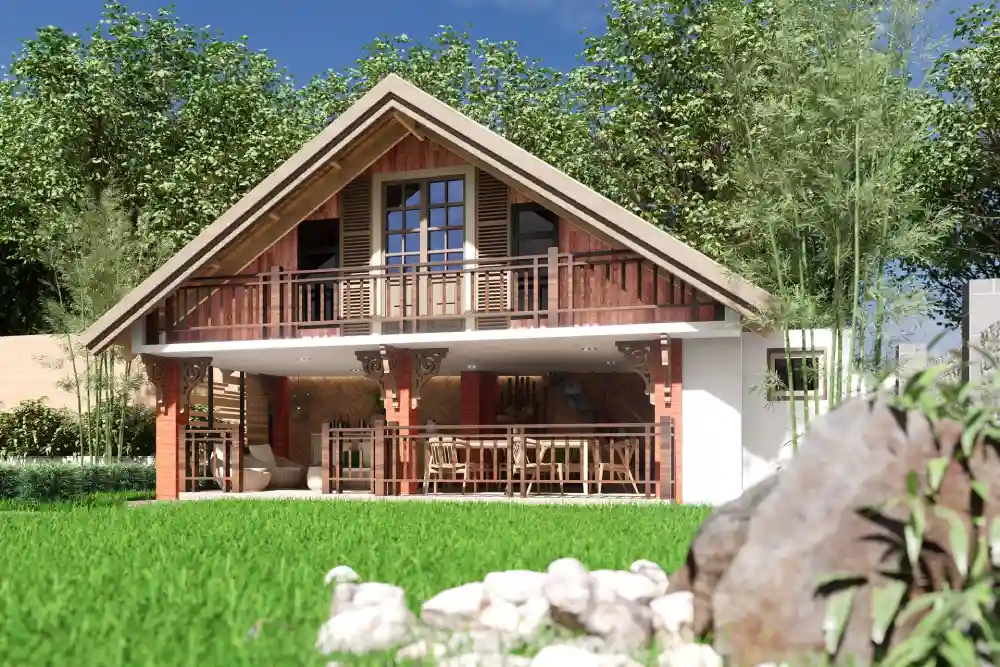
Indoor and outdoor spaces work best when they support the same activities without unnecessary barriers. Large sliding doors, covered terraces, and convenient kitchen access can make everyday living and entertaining easier.
Understanding how professional builders transform coastal properties can also help homeowners balance lifestyle preferences with Florida's environmental demands. Coastal construction requires attention to wind, moisture, salt air, and local building requirements
Useful features may include:
- Covered seating that provides shade.
- Outdoor dining positioned near the kitchen.
- Durable flooring for moisture and frequent foot traffic.
- Screened areas that reduce exposure to insects.
- Storage for cushions and recreational gear.
The best design depends on the property and how the space will actually be used.
Why Should Your Kitchen Reflect Your New Routine?
Your kitchen should support how you prepare meals, entertain guests, and move between indoor and outdoor areas. Florida living can encourage more casual gatherings, making accessibility and practical storage especially valuable.
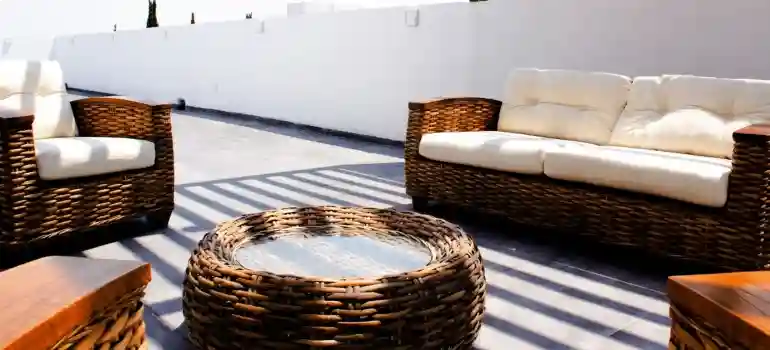
A kitchen connected to an outdoor dining area allows people to move comfortably between spaces. A spacious island can accommodate informal meals, food preparation, and conversation.
A kitchen connected to an outdoor dining area allows people to move comfortably between spaces. A spacious island can accommodate informal meals, food preparation, and conversation.
How Can Designing a Home for the Things You Actually Do Improve Comfort?
Designing a home for the things you actually do improves comfort by removing obstacles from everyday activities. Instead of adding rooms for hypothetical needs, you create spaces that make existing routines easier.
Someone who enjoys cycling might benefit from equipment storage near an exterior entrance. A homeowner who works remotely may need a quiet office with natural light.
Practical improvements can include:
- Accessible storage for recreational equipment.
- A dedicated workspace away from entertaining areas.
- Easy-clean surfaces near outdoor entrances.
- Flexible accommodations for visiting relatives.
- Better circulation between frequently used rooms.
Every improvement should solve a specific problem rather than simply add square footage.
Which Florida Climate Features Should Influence Your Design?
Florida's heat, humidity, heavy rainfall, and storm exposure should influence construction decisions from the beginning. Materials and layouts that perform well in colder regions may need adjustments for subtropical conditions.
Important considerations include:
- Windows and doors: Products appropriate for local wind and energy requirements.
- Roofing: Materials and installation methods suited to regional weather.
- Outdoor finishes: Surfaces that tolerate moisture and sun exposure.
- Drainage: Systems that direct rainwater away from living areas.
- Shade: Covered spaces that reduce direct solar exposure.
Properties near the coast may face additional requirements, making local site conditions important during planning.
How Much Space Do You Really Need for Guests?
Guest accommodations should reflect how often people visit and how long they stay. Moving to Florida can make your home a popular destination for friends and relatives escaping colder weather.
Multiple dedicated guest bedrooms may not be necessary. A flexible office with a comfortable sleeping arrangement could accommodate occasional visitors without sacrificing everyday space.
For frequent guests, privacy, convenient storage, and access to a bathroom may matter more than simply adding another bedroom.
How Can You Avoid Designing Around Your Old Lifestyle?
Question whether each planned room still serves a meaningful purpose. Habits developed during years of cold winters may no longer determine how you spend your time.
Before approving plans, ask:
- Which activities will I do more frequently in Florida?
- Which spaces did I rarely use before?
- Where will I spend most mornings and evenings?
- What belongings need convenient storage?
- Which features will remain useful as my needs change?
The answers can reveal opportunities to simplify the floor plan and devote more space to activities you genuinely enjoy.

How Can a Custom Builder Shape the Right Home?
A custom builder can translate daily routines into a practical floor plan while accounting for construction requirements. This means evaluating the property, discussing priorities, and identifying improvements that fit the project.
Rose Building Contractors works on custom homes, renovations, additions, and coastal properties in Florida. Involving a builder early can help determine which ideas are practical before detailed plans are finalized.
Is Your Next Home Designed for the Life You Want?
A move to Florida offers an opportunity to rethink what your home needs to do. Outdoor living, casual entertaining, visiting family, hobbies, and new routines may deserve more attention than traditional room arrangements.
Ultimately, designing a home for the things you actually do means creating spaces around the way you spend your time now. The result can be a home that feels more comfortable, practical, and appropriate for life in Florida.
‹ Back
Recent Posts
-
-
-
How Much Planning Goes Into a Whole-Home Renovation in Tampa?
October 1, 2026
-
-