.png)

By using our website, you agree to the use of cookies as described in our Cookie Policy
a
Rss Feed
Building a Florida Home Without a Basement: Smart Ways to Replace the Storage You're Used to Having
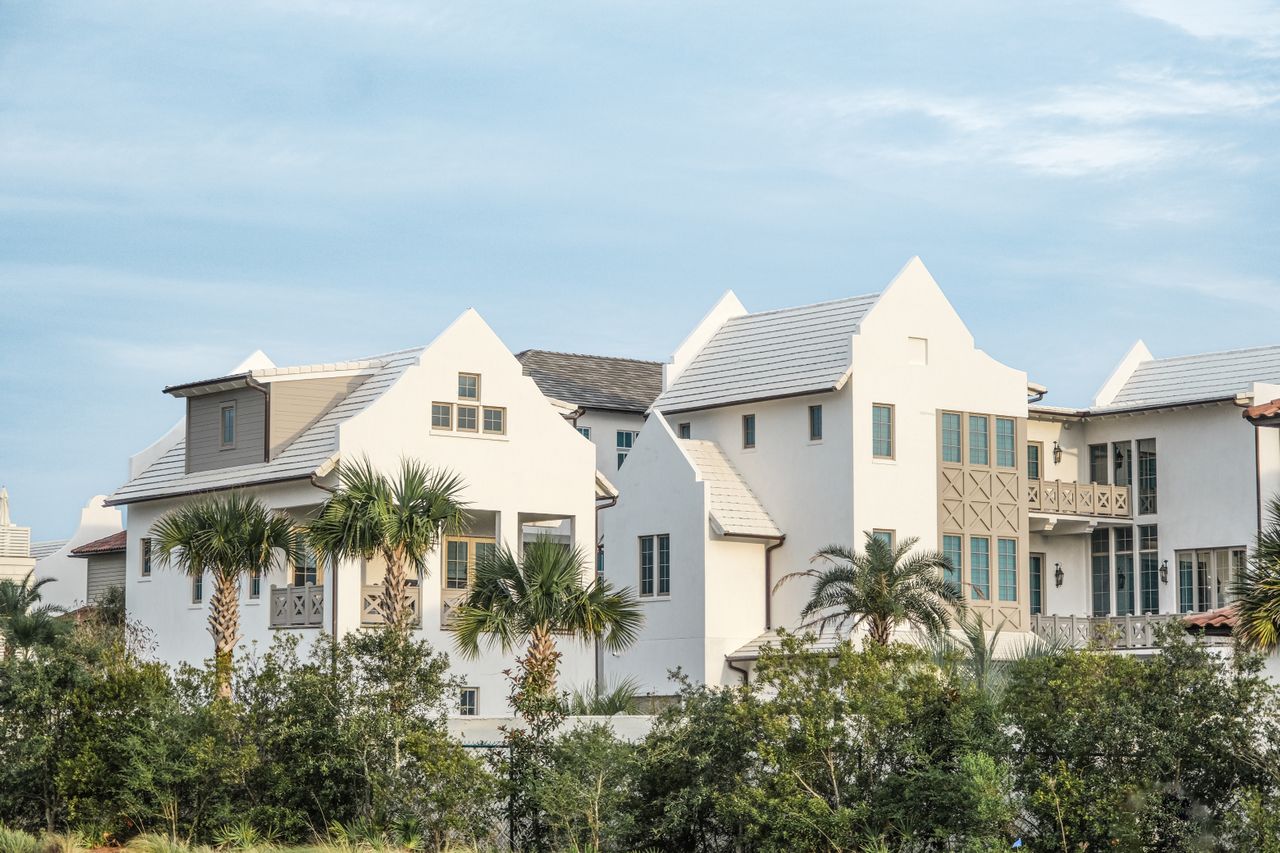
Florida homeowners who grew up in colder states often assume every new house comes with a basement, until the builder explains otherwise. Building a Florida home without a basement is standard practice across the state. It's driven by geology, not design taste, and it quietly removes a chunk of storage most people plan around without realizing it. The attic gets too hot for anything but holiday decorations, since unconditioned Florida attics regularly climb past 130 degrees in summer. The garage fills up fast. Suddenly there's nowhere for the off-season gear, the extra furniture, or the boxes that haven't found a home yet. The fix isn't one big room. It's several smaller decisions made early.
What Does Building a Florida Home Without a Basement Actually Mean for Storage?
It means the storage has to be built in on purpose. It won't happen by accident the way an unfinished basement does up north. Florida's slab-on-grade construction sits directly on a concrete foundation, with no dug-out space below it. That's largely because the water table sits close to the surface across most of the state. Digging down even a few feet in many coastal counties hits standing water or soft limestone before it hits anything usable. Some rooms do run hotter near the coast than others. That's largely due to how coastal climate shapes home design on the East vs. West Coast. But the missing basement isn't part of that regional variation. It's constant everywhere in the state.
Where Should Storage Go Instead of Underground?
If the basement isn't an option, the space has to come from somewhere else in the floor plan. It should be chosen on purpose, not left to whatever room happens to have extra floor space. Builders working with Florida's climate and lot sizes typically point clients toward:
- A conditioned attic space, insulated and floored, for items that can't handle extreme heat
- A garage layout with overhead racks and built-in cabinets instead of just floor clutter
- A dedicated mudroom or laundry closet sized for bins, not just a washer and dryer
- An exterior shed or detached structure for tools, lawn equipment, and seasonal gear
- Under-stair or bonus-room storage built into the original floor plan, not added later
Working these into the blueprint before construction starts costs far less than retrofitting storage later. Storage decided after drywall goes up almost always costs more and looks like an afterthought.
How Do You Handle Storage During the Actual Build?
During construction itself, storage becomes a short-term logistics problem, not a design problem. Most people building a new home are living somewhere else while it goes up. That might be a rental, a relative's place, or the home they're about to sell. Their furniture and boxes need somewhere to sit in the meantime. Builders often see the same pattern. Families who sold their previous house before the new one was framed end up needing a bridge solution for months, not weeks. For that stretch, renting extra space through a moving company that also handles pickup and delivery is usually simpler than juggling a separate storage unit and a separate mover on top of it. It keeps everything in one plan instead of two, which matters when the move-in date keeps shifting by a week or three.
What Built-In Storage Solutions Work Best Long-Term?
Long-term storage in a no-basement home works best when it's spread across several purpose-built spots, not concentrated in one catch-all room. A walk-in pantry, a garage with a full wall of cabinets, and a linen closet sized for more than towels each pull weight. That's weight a basement would have carried up north. Many of the same principles show up in smart storage ideas for remodeling projects in Largo. Built-in shelving and hidden storage walls solve the same clutter problem in existing homes there. New construction just has the advantage of planning it in from day one instead of carving it out later.
How Does Settling Into a New Build Affect Storage Needs?
The first few months in a new home usually reveal storage gaps that didn't show up on the blueprint. Boxes that seemed temporary become permanent fixtures in a corner. Items packed away "for now" stay packed away for a year. That pattern lines up with how thoughtful renovations improve the longevity of a home. It's usually only after the move-in stress fades that homeowners can see which rooms actually need more storage. Walking through the house again three to six months in, once daily routines have settled, usually surfaces one or two fixes worth adding.
What Does the Geology Really Say About Basements in Florida?
Florida's lack of basements isn't folklore. It's bedrock. Much of the state sits on porous limestone that dissolves slowly as groundwater moves through it. The U.S. Geological Survey's overview of sinkhole formation notes that the most damage from this kind of dissolution tends to occur in Florida, Texas, Alabama, and a handful of other states with similar bedrock. Combine that with a water table sitting just a few feet down in many areas. Digging a basement isn't just expensive there. It's structurally risky. Slab-on-grade construction sidesteps both problems, which is exactly why the state settled on it as the default decades ago.
Building Smart When the Basement Isn't an Option
Building a Florida home without a basement isn't a compromise, not once storage gets planned into the blueprint instead of squeezed in afterward. Conditioned attic space, a garage built for cabinets instead of clutter, a real pantry, and a short-term plan for the gap between houses cover almost everything a basement used to handle. None of it happens by accident. That's exactly why it belongs in the conversation with the builder from the first set of plans, not the punch list at the end. Bring up storage before the foundation is poured, not after the walls go up.
‹ Back
Recent Posts
-
-

Building Safer Commercial Spaces: A Practical Guide for New Owners
September 15, 2026
-
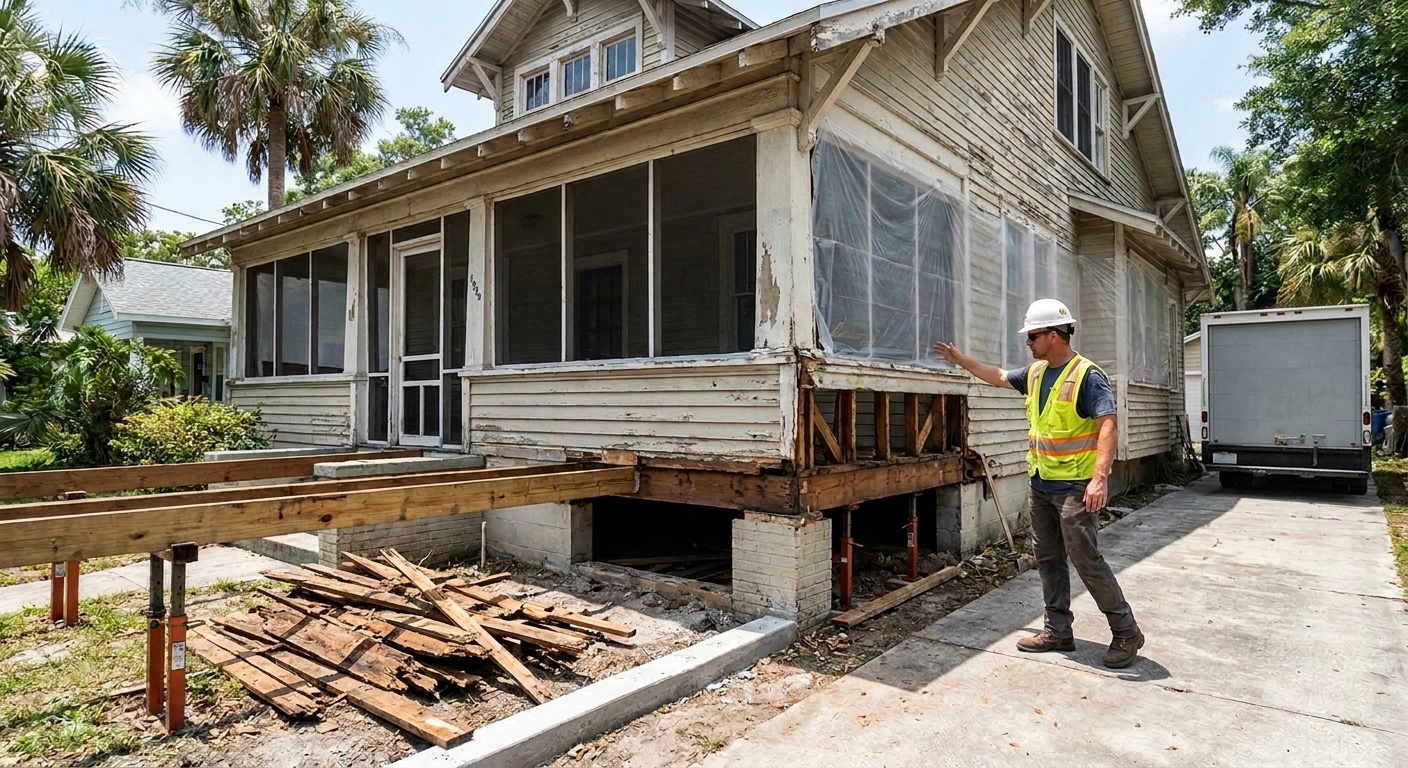
Do Older Homes in Tampa Need Structural Upgrades Before Remodeling?
September 3, 2026
-
-