

By using our website, you agree to the use of cookies as described in our Cookie Policy
a
Rss Feed
Signs It's Time to Replace the Flooring in Your Largo Home
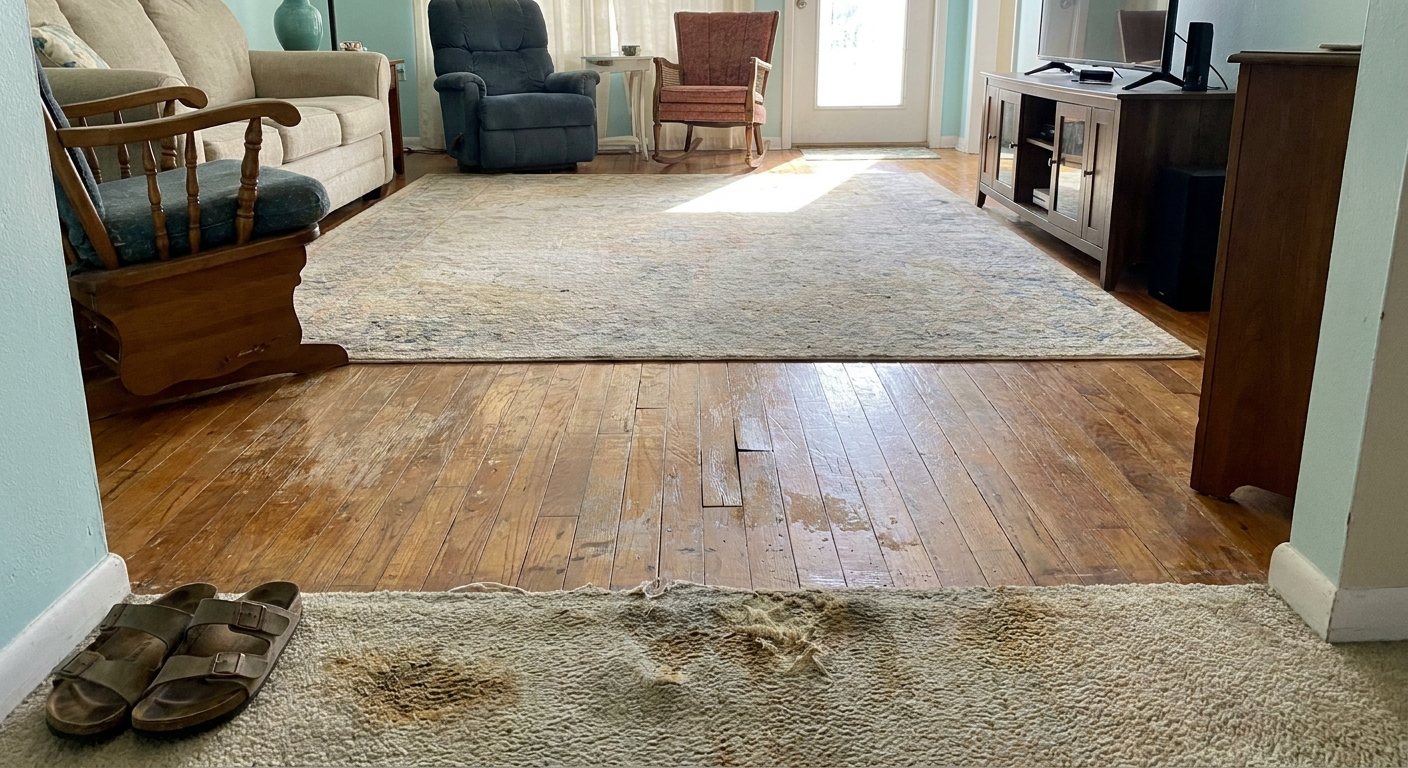
Most homeowners think floors are just something you walk on. Sweep them, mop them, ignore them. But neglected flooring doesn't just look bad—it costs you in resale value, air quality, and structural integrity. The Gulf Coast climate doesn't make it easier. Humidity creeps in, sand tracks through, and suddenly that hardwood you loved five years ago is buckling in the hallway.
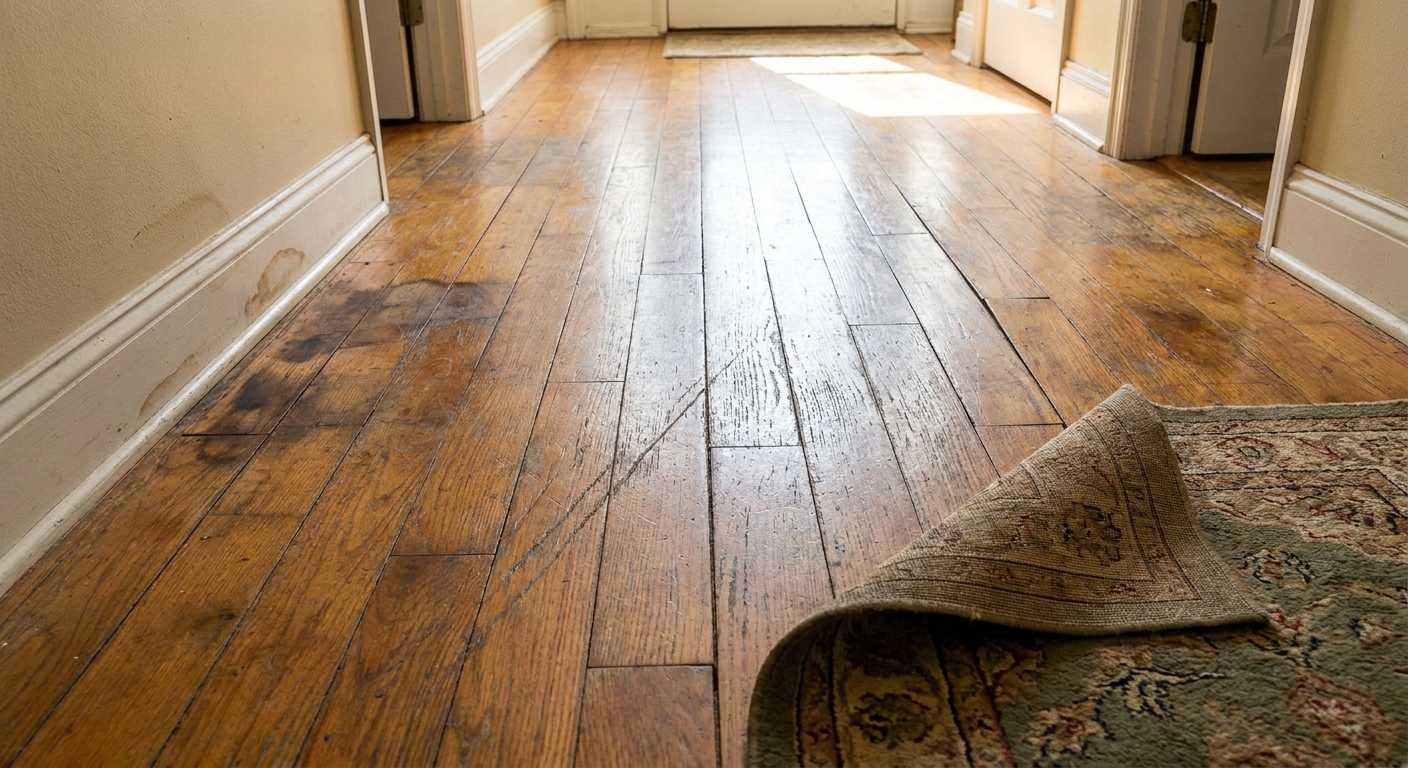
So here's the reality. Flooring wears out. Sometimes it's obvious. Sometimes it hides under rugs or behind furniture until you're forced to deal with it. Either way, waiting too long turns a manageable replacement into a full-blown renovation. Every creak should get your attention. Every stain that won't lift is telling you something. And every health concern tied to dust or mold? That's your floor screaming for a change.
Scratches and Dents Pile Up Fast
A few scuffs are normal. Furniture gets moved, kids drop things, pets scramble across tile. But when damage spreads across every room and refinishing stops working, you're past the point of repair. High-traffic zones take the brunt of it—kitchens, entryways, living rooms. If your floors look worn no matter how hard you scrub or how much polish you apply, the material has given up.
We've seen homeowners try to patch and sand their way out of this. It works once, maybe twice. After that, you're just wasting time and money on a surface that's done its job. When the damage is everywhere, residential repairs won't cut it—replacement is the only move that makes sense.
Stains Won't Budge and Smells Won't Leave
Spills happen. Pets have accidents. But when odors linger after deep cleaning and stains set in permanently, you're dealing with contamination below the surface. Carpet traps it. Old hardwood absorbs it. And in Largo's humidity, that moisture doesn't just sit there—it breeds bacteria and mold.
This isn't cosmetic. It's a health risk. If your floors smell musty or look discolored no matter what you throw at them, the problem is deeper than what you can see. Replacement isn't optional here—it's the only way to get rid of what's growing underneath.
Water Leaves a Mark You Can't Hide
Leaks, floods, and humidity don't just stain floors—they warp them. Boards buckle. Tiles crack. Soft spots form where the subfloor has rotted through. Once water gets in, the damage spreads fast. You'll notice discoloration first, then lifting edges, then full separation.
Ignoring water damage doesn't make it go away. It gets worse. Mold moves in, structural integrity weakens, and what could have been a single-room fix turns into a whole-house problem. We've watched this unfold too many times. If you see signs of water intrusion, pull up the flooring and check what's underneath. Then replace it before the damage spreads.
Your Style Stopped Working Years Ago
Trends shift. What looked fresh in 2010 feels dated now. If your floors are still rocking patterns, finishes, or colors that scream "last decade," they're dragging down the rest of your home. Buyers notice. Guests notice. And whether you're planning to sell or just want to enjoy your space, outdated flooring is a liability.
Replacing worn, old-fashioned floors with modern materials instantly updates your interior. It's one of the fastest ways to add value and make your home feel current again. And if resale is on your radar, home renovations that increase resale value like new flooring pay off in both appeal and asking price.
Allergies Are Getting Worse Indoors
Old carpet is a magnet for dust, pollen, dander, and everything else floating through your home. Even with regular vacuuming, those allergens settle deep into the fibers and never fully come out. If you or anyone in your household is dealing with unexplained sneezing, coughing, or respiratory issues, your floors might be the culprit.
Switching to hard surfaces makes a real difference. Tile, laminate, and luxury vinyl don't trap allergens the way carpet does. They're easier to clean, healthier to live on, and better for long-term air quality. For families dealing with sensitivities, this isn't just a design choice—it's a quality-of-life upgrade.
Every Step Sounds Like a Horror Movie
A little squeaking is normal in older homes. But loud, constant creaking? That's a sign something's wrong underneath. Either the flooring has worn through its tolerance, or the subfloor has taken damage from moisture, pests, or age. Ignoring it won't make it quieter—it'll just get worse.
When floors creak with every step, we check the subfloor first. If that's compromised, patching the surface won't do anything. You'll need to pull it up, fix the foundation, and install new material. It's more work upfront, but it's the only way to restore stability and silence.
Cleaning Feels Pointless
Floors that never look clean—even after scrubbing—are telling you they're done. Worn surfaces get porous. Carpets lose their ability to release dirt. Hardwood stops taking a shine no matter how much you polish. When cleaning becomes a losing battle, it's not your effort that's the problem. It's the material.
New flooring doesn't just look better. It performs better. It resists stains, repels moisture, and stays cleaner with less effort. If you're spending more time maintaining your floors than enjoying them, it's time to replace what's dragging you down.
Safety Hazards Are Showing Up
Loose tiles, warped boards, and torn carpet create tripping hazards—especially for kids and older adults. If your flooring is no longer level, secure, or intact, it's a liability. We've seen too many falls that could have been prevented with a timely replacement.
Safety isn't negotiable. When floors start posing risks, the decision is easy. Pull them out and put in something stable. Your home should be a place where people feel comfortable moving around, not one where they have to watch their step in every room.
What Replacement Actually Solves
New flooring isn't just cosmetic. It fixes underlying problems, improves air quality, boosts resale value, and makes your home safer and easier to maintain. It's one of those investments that pays off immediately in comfort and long-term in equity.
Here's what you gain:
- Better air quality and fewer allergens
- Improved home value and buyer appeal
- Elimination of water damage and mold risks
- Modern aesthetics that match current trends
- Safer, more stable walking surfaces
Materials That Hold Up in Largo
Not all flooring handles Florida's climate equally. Humidity, temperature swings, and salt air all play a role in how materials age. Some hold up. Others deteriorate fast. If you're replacing floors in Largo, choose materials built for the environment.
Top performers include:
- Luxury vinyl plank for water resistance and durability
- Porcelain tile for humidity tolerance and easy cleaning
- Engineered hardwood for stability in changing conditions
- Laminate with moisture barriers for budget-friendly longevity
- Natural stone for high-end appeal and heat resistance
When DIY Becomes a Gamble
Installing flooring looks simple on YouTube. In reality, mistakes cost more than hiring a pro from the start. Uneven subfloors, improper sealing, and poor adhesion all lead to premature failure. If you're not experienced, the risk isn't worth it.
Common DIY pitfalls:
- Skipping moisture testing and acclimation
- Ignoring subfloor preparation and leveling
- Using the wrong adhesive or underlayment
- Cutting corners on transitions and trim
- Failing to account for expansion gaps
Red Flags That Demand Immediate Action
Some signs don't give you time to think it over. Water damage, mold growth, and structural instability all require fast decisions. Waiting makes the problem bigger and the fix more expensive. If you're seeing any of these, act now.
Issues that can't wait:
- Visible mold or mildew on or under flooring
- Soft, spongy areas that indicate rot
- Warping or buckling from water exposure
- Persistent odors that cleaning can't eliminate
- Loose or cracked tiles creating tripping hazards
What to Expect During Replacement
Replacing flooring isn't a weekend project. Depending on the size of your home and the material you choose, it can take days or even weeks. Preparation matters. So does working with a contractor for residential construction who knows what they're doing and won't leave you with half-finished rooms.
Steps in a proper replacement:
- Removal and disposal of old flooring
- Subfloor inspection and necessary repairs
- Moisture barrier and underlayment installation
- New flooring installation with proper spacing
- Finishing touches like trim, transitions, and sealing
Flooring That Holds Its Value
Replacement isn't cheap. But it's one of the few home improvements that actually returns value. Buyers care about floors. They notice quality, they notice damage, and they adjust their offers accordingly. If you're planning to sell in the next few years, home updates that pay off like new flooring are one of the smartest moves you can make.
We've worked with enough homeowners to know that putting it off never saves money. Floors don't heal themselves. They deteriorate, take down resale value, and turn into bigger headaches the longer you wait. If the signs are there, don't ignore them. When you're ready for professional remodeling services or a complete flooring overhaul, contact us to replace what's broken and move forward with a home that works the way it should.
Ready to Transform Your Home?
We know how much a fresh floor can change the way you feel about your space. If your floors are showing the signs, let's make your home safer, healthier, and more beautiful together. Give us a call at 727-596-2390 or contact us today to start your flooring replacement with a team that cares about every detail.
‹ Back
Recent Posts
-
Signs It's Time to Replace the Flooring in Your Largo Home
November 26, 2026
-
Adding a Second Bathroom to Your Largo Home
November 12, 2026
-

Creating a Coastal Florida Home That Feels Complete Inside and Out
November 4, 2026
-
Is It Worth Renovating Your Largo Home Before You Sell?
October 29, 2026
-