.png)

By using our website, you agree to the use of cookies as described in our Cookie Policy
a
Rss Feed
Preparing Your Yard for Building or Renovation: Landscaping Tips & What to Do First
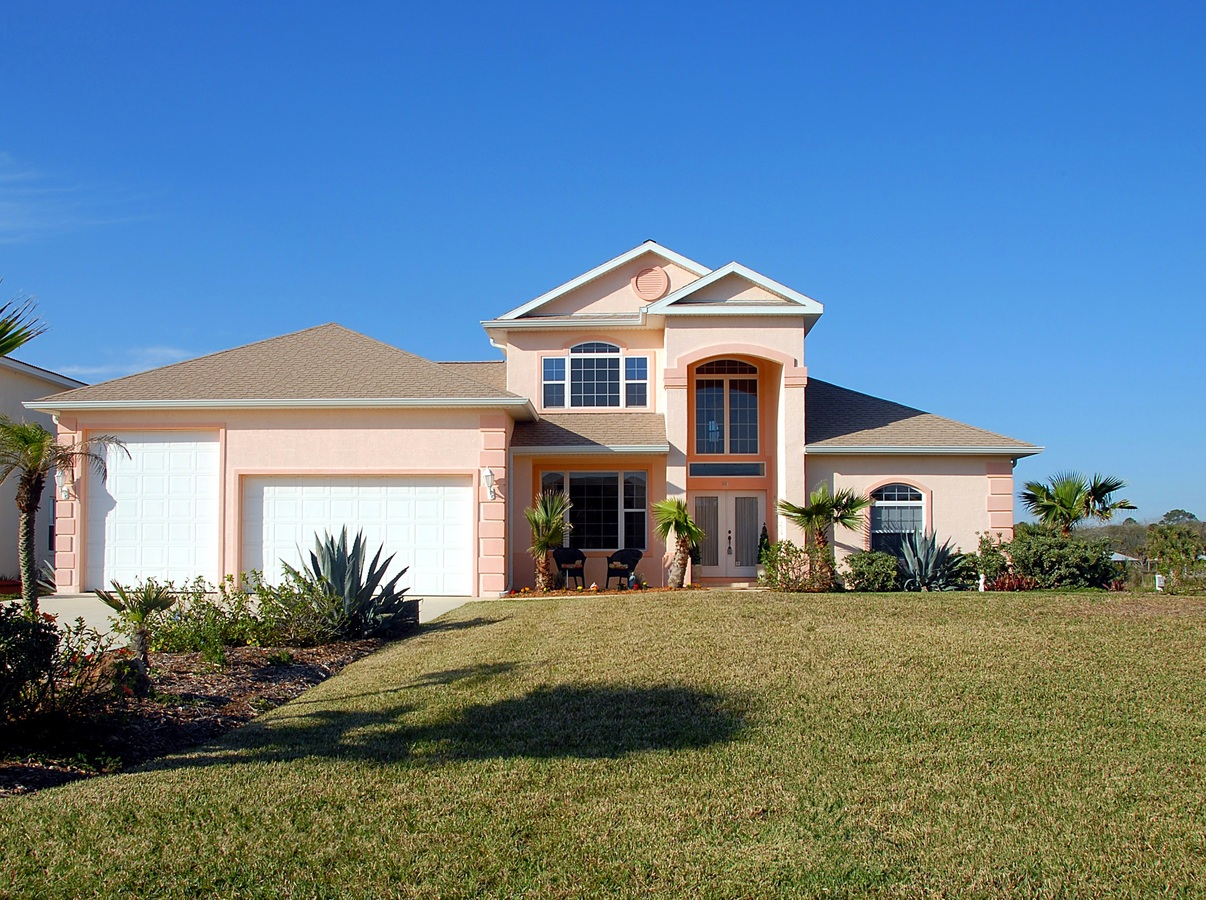
Whether you’re starting a yard from scratch or giving an old one a makeover, it all begins with a plan. Your outdoor space isn’t just grass and plants—it sets the stage for your home, your lifestyle, and the way you enjoy every sunny afternoon.
As a landscape designer who has worked with homeowners on both new construction and full-yard renovations, I’ve seen the best results come from a thoughtful, phased approach.
Here, I’ll guide you through the 8-step process:
Step 1: Know Your Budget
Before you fall in love with a design or start picking plants at random, know your budget—it’s the engine that drives every decision. Your budget determines whether you’ll phase the project, take a DIY approach, or bring in professionals for design and installation.
New Construction
By the time the house is complete, most homeowners are financially stretched, even though they’ve envisioned a yard straight out of a magazine. This is where phasing helps; start with grading, drainage, lighting, and hardscape, then add planting, lighting, and finishing touches later as funds allow.
Existing Yards
Even with an existing yard, budgeting from the start is essential. You may need to remove trees, regrade, or redo patios and walkways. Hence, a clear budget keeps expectations realistic, prevents endless redesigns, and ensures the final plan fits both your vision and your wallet. Phasing can help, too—tackle the essentials first and add the extras later.
Step 2: Think Like a Designer
Before breaking ground, step back and observe your space. A designer’s mindset looks beyond aesthetics, and considers function, flow, and how the site naturally behaves.
- Sun Patterns: Where does the sun hit throughout the day? This impacts plant choice, patio placement, and seating comfort.
- Circulation: How will people move through the yard? Think about walkways, access points, and sightlines.
- Focal Points: A tree, water feature, fire pit, and outdoor kitchen can anchor the design.
- Soil and Drainage: Test the soil to understand its composition, and look for low-lying areas that hold water; these might need grading or regrading to ensure proper drainage.
- Functionality: Define how you’ll use the space for relaxation, entertaining, gardening, or all of the above.
Step 3: Evaluate Your Site
Every property has its quirks. Understanding what’s already there helps you make informed design choices.
New Construction
In most new construction homes, the builder provides a basic landscape package — usually a few small foundation shrubs, one ornamental tree to accent the corner of the house, and any street trees required by the township. Once this minimal setup is complete, homeowners can bring in a landscape designer of their choice to create a more personalized and visually appealing outdoor space.
Additionally, new lots may come with compacted soil and hydroseeded grass, not exactly barefoot-friendly, unless you’ve contracted for sod. You might need to give the soil some TLC by adding nutrients and overseeding.
Existing Yards
Older landscapes may hide drainage issues, old roots, or worn-out lawns. Take time to clear debris, test the soil, and identify problem spots before replanting. You might reuse mature trees or shrubs as natural focal points if they’re healthy and well-placed.
Step 4: Create Your Landscape Plan
A landscape design plan is the blueprint for everything that follows. It helps you visualize the layout, select materials, and stay within budget, incorporating elements like hardscaping, lighting, irrigation, garden beds, and plant selections. Even a simple sketch can reveal relationships between spaces, shade patterns, and utility placement before you begin digging.
If you’re unsure where to start, a landscape designer can save time and prevent costly mistakes. You can hire for design-only services, pay for a professional plan and do the work yourself, or opt for design/build services, where the company handles both planning and installation.
Even if you opt for a DIY approach, a professional plan serves as a roadmap, guiding you to phase and prioritize your project intelligently.
Step 5: Permits and “Call Before You Dig”
Before starting any work, check your local township or county website to determine if permits are required for mailboxes, patios, fences, irrigation, retaining walls, and grading/regrading.
And don’t skip the most important step — call Sunshine 811 at least two business days before you dig. It’s the law in Florida. Sunshine 811 alerts utility companies to mark underground lines so you can dig safely without hitting anything buried below.
Step 6: Hardscaping, Irrigation, and Lighting
Once the ground is prepped, install hardscape elements like patios, walkways, and retaining walls, and run any underground lines for drainage, irrigation, or low-voltage lighting. Doing this before adding sod, mulch, or plants makes the process much easier and prevents the need to dig them up later.
Step 7: Finish With Planting and Final Touches
Once the infrastructure is in place, choose the right plants for the right spot, focusing on species suited to Florida’s USDA Zones 9–10, including native or drought-tolerant varieties to reduce maintenance. Finish with mulch to conserve moisture and add containers, décor, or personal accents to bring your outdoor space to life.
Step 8: Establish a Healthy Lawn
Once your hardscape, plants, irrigation, and lighting are in place, focus on establishing a healthy lawn. Seed, overseed, or lay sod to fill bare spots, choosing grass suited to Florida’s climate for better growth and lower maintenance.
Proper watering, fertilization, and mowing will help your lawn thrive and complete the look of your finished landscape. Benefits of a healthy lawn extend beyond looks – a vibrant lawn fights weeds, increases your property value, and can boost your mental health.
Bringing It All Together
Whether you’re transforming a sandy Florida lot or reimagining an older yard, proper preparation is the key to a successful outdoor space. Start with a plan and a clear sense of what matters most. Every great landscape blends structure and soul: the foundation that supports it and the life that grows within it
Harley Grandone is a lawn care and landscaping writer with 20+ years of experience as a landscape designer. In her free time, she enjoys completing DIY home projects and having fun with her family.

‹ Back
Recent Posts
-
-
-
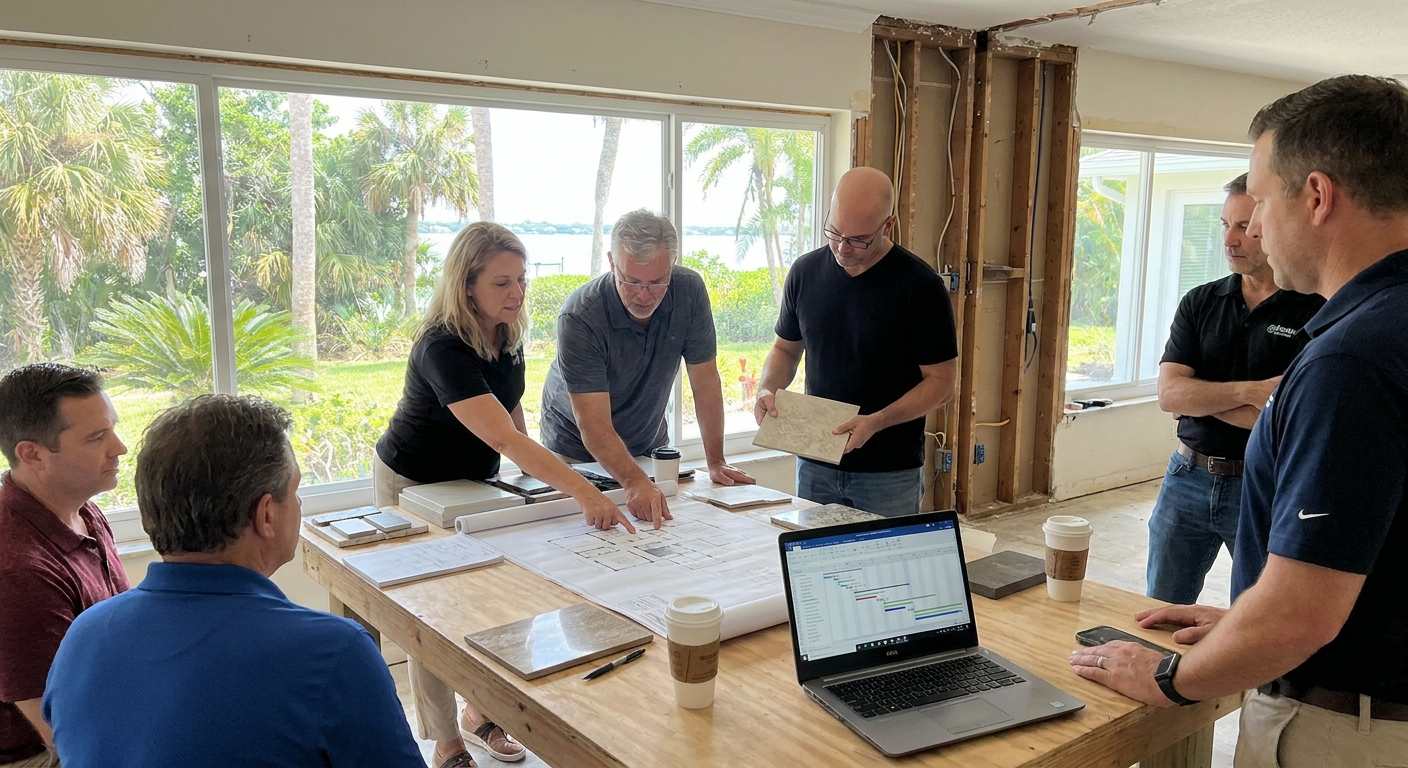
How Much Planning Goes Into a Whole-Home Renovation in Tampa?
October 1, 2026
-
-