
.png)

By using our website, you agree to the use of cookies as described in our Cookie Policy
a
Rss Feed
How to Design Your Home to Minimize Wind, Waves, and Traffic Sound
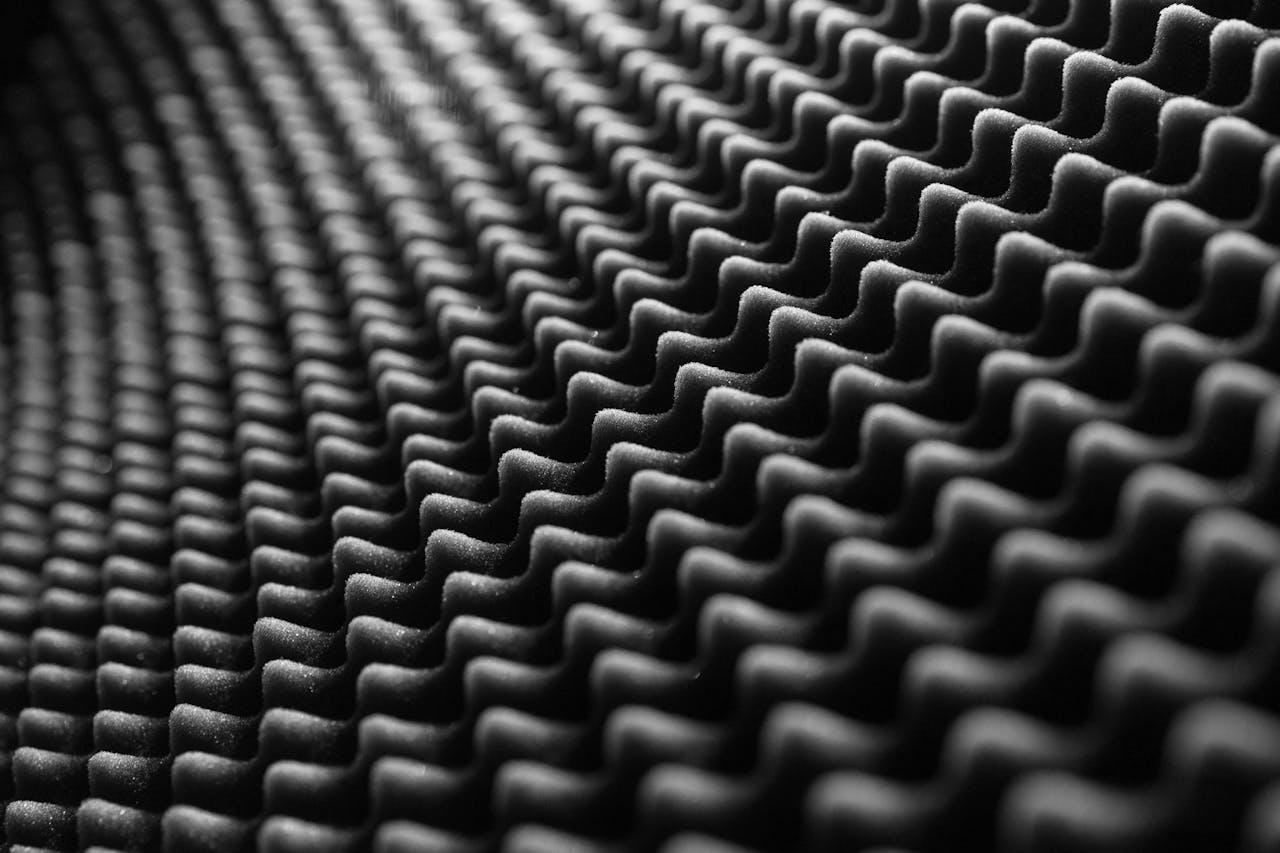
Being able to design your home to minimize wind and other noises is more than a luxury. For many homeowners, it is a daily quality-of-life issue. Wind howling around corners, waves crashing in the distance, or steady traffic noise can quietly drain comfort and focus. The good news is that thoughtful design choices can dramatically reduce these sounds before they ever reach your living space. With the right combination of planning, materials, and layout, your home can feel like a refuge even in a noisy or exposed environment.
This guide explores practical, human-centered ways to design a home that minimizes wind, wave, and traffic sound. The focus is not on extreme construction methods or complicated solutions, but on smart decisions that work together. When applied early or gradually over time, these ideas can transform how your home sounds and how it makes you feel.
Understanding How to Design Your Home to Minimize Wind and Other Sounds
Sound does not behave randomly. Wind noise often comes from air moving through gaps and around sharp edges. Wave noise travels long distances across open water and reflects off hard surfaces. Traffic sound tends to be low and persistent, slipping through walls, windows, and even structural connections. Understanding these patterns makes it easier to interrupt them.
Sound enters homes through three main paths: direct openings, vibrations through building materials, and reflections that amplify noise. If you design your home to minimize wind, you will address all three paths. Therefore, instead of relying on a single fix, effective sound control layers multiple strategies so that noise is weakened at every stage.
Managing Sound During a Relocation
Relocating to a new home often highlights sound-related challenges that were not obvious during a short visit or walkthrough. Once daily routines begin, noise from traffic, nearby properties, or surrounding activity can feel more intense. At the same time, the physical demands of moving—tight timelines, heavy lifting, coordination issues, and general disruption—can make it harder to notice or address these concerns early. Handling everything alone often leaves little time or energy to assess how the new space functions and feels.
However, using a professional moving company can ease much of that pressure by reducing logistical strain and keeping the relocation organized. When the move proceeds efficiently, homeowners gain the breathing room needed to focus on post-move priorities, including evaluating acoustics and planning improvements such as insulation, window treatments, or layout adjustments. As a reputable relocation company, Family Affair Moving supports residential relocations through structured planning, careful handling, and reliable execution, helping homeowners transition smoothly and settle in faster so they can concentrate on making their new home quieter, more comfortable, and better suited to long-term living.
Choosing the Right Site Orientation
Orientation is one of the most powerful and overlooked tools in sound reduction. How your home faces prevailing winds, nearby roads, or bodies of water sets the baseline for how much noise you experience. When possible, positioning the quieter sides of the home toward the loudest sound sources can make an immediate difference.
Living areas benefit from facing away from traffic corridors or exposed shorelines. Service spaces such as storage rooms, stairwells, or utility areas can act as buffers when placed on noisier sides. Even small shifts in orientation can reduce direct sound paths and lower overall noise levels indoors.
Using Building Shape to Break Up Wind and Noise
The shape of a home affects how wind flows and how sound reflects. Long, flat surfaces tend to catch wind and bounce sound directly toward openings. More articulated shapes with gentle setbacks and varied surfaces help disrupt these patterns.
Rounded edges, recessed entries, and covered outdoor areas soften wind movement and reduce whistling effects. These features also prevent sound from traveling in straight lines toward windows and doors. A home that feels visually balanced often performs better acoustically as well.
Exterior Materials That Absorb Rather Than Reflect Sound
Exterior finishes play a major role in sound behavior. Hard, smooth surfaces reflect noise, while textured or layered materials help absorb it. Choosing exterior materials with natural density and variation can reduce how much sound reaches the interior.
Wood cladding, fiber cement, and masonry systems with air gaps tend to perform better than thin, rigid panels. These materials break up sound waves instead of sending them directly back into the environment or deeper into the structure. Over time, this creates a quieter indoor experience without changing how the home looks from the outside.
Designing Walls for Acoustic Performance
Walls are more than visual boundaries. They are key players in sound control. Well-designed walls slow down sound by combining mass, separation, and damping. Thicker assemblies with layered materials reduce vibration transfer and prevent noise from passing through easily.
Insulation designed for acoustic performance helps absorb sound energy before it reaches interior surfaces. When walls are built with attention to sealing and continuity, even persistent traffic noise becomes noticeably less intrusive.
Windows That Protect Without Closing You In
Windows are often the weakest point in a sound-sensitive home, yet they are essential for light and connection to the outdoors. The goal is not fewer windows, but better ones. Window placement, size, and construction all matter.
High-performance glazing systems reduce sound transmission while maintaining clarity and brightness. Smaller groupings of windows instead of large uninterrupted expanses can also help. When windows are placed thoughtfully, they frame views without inviting unwanted noise inside.
Doors and Seals That Keep Sound Outside
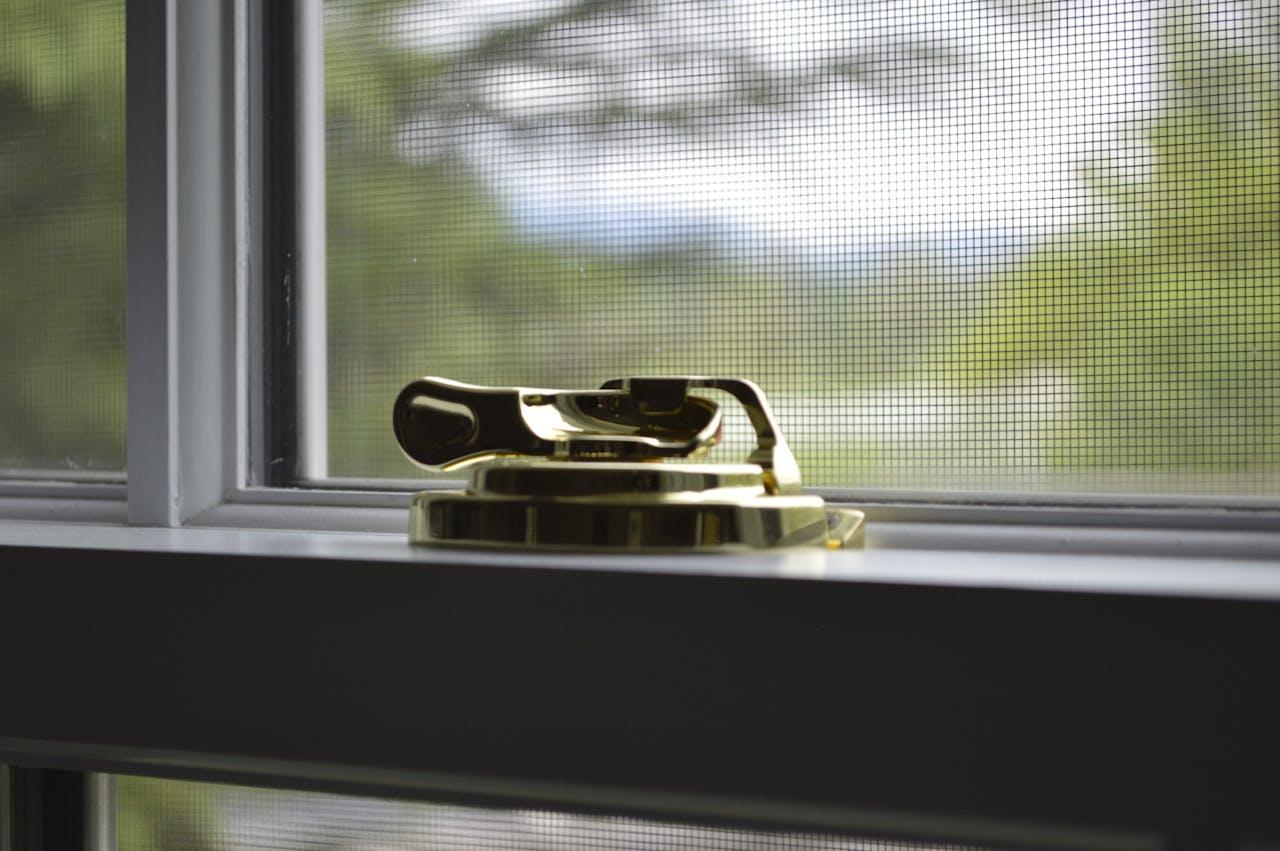
Doors are frequently underestimated when it comes to sound control. Even a well-built wall can be compromised by a poorly sealed door. Solid-core doors with tight-fitting frames significantly reduce sound leakage.
Weather seals and proper installation prevent wind from forcing sound through small gaps. These details are subtle, but they have a powerful impact on how quiet a home feels during windy days or busy traffic hours.
Landscaping as a Natural Sound Buffer
Outdoor design is an extension of indoor comfort. Thoughtful landscaping softens sound before it ever reaches the building. Dense planting, earth shaping, and layered greenery act as natural sound absorbers.
Trees and shrubs break up wind flow and scatter sound waves. Raised ground features and garden walls redirect noise away from living spaces. Over time, these elements grow into a living shield that enhances both privacy and peace.
Interior Layout That Supports Calm
Once sound enters a home, the interior layout determines how far it travels. Open paths allow noise to move freely, while intentional zoning keeps it contained. Placing quieter rooms deeper within the home adds another layer of protection.
Soft furnishings, area rugs, and textured surfaces absorb sound inside and reduce echo. A space designed for comfort often performs well acoustically because it avoids excessive hardness and emptiness.
Ventilation Without Noise Intrusion
Fresh air is essential, but ventilation systems can become unexpected sound pathways. Poorly designed openings allow wind and outdoor noise to travel freely indoors. Quiet ventilation solutions balance airflow with acoustic protection.
Well-placed vents, sound-dampening ducts, and controlled air paths ensure that your home stays comfortable without sacrificing peace. These systems work quietly in the background, supporting health and calm at the same time.

Long-Term Maintenance for Ongoing Quiet
A quiet home is not just about initial design. Over time, materials shift, seals wear, and small gaps appear. Regular maintenance keeps sound control features working as intended.
Checking window seals, door alignment, and exterior finishes prevents noise from creeping back in. These small efforts protect the original investment in comfort and help the home age gracefully.
Blending Science With Intuition
The decision to design a home to minimize wind, waves, and traffic sound is an exercise in thoughtful balance. It blends science with intuition and structure with softness. When orientation, materials, layout, and outdoor elements work together, noise becomes a manageable background rather than a constant presence.
A quieter home supports rest, focus, and emotional well-being. By making intentional design choices and paying attention to how sound moves through space, you create an environment that feels steady and reassuring. In the end, the most successful sound-conscious homes are not silent, but peaceful, offering a sense of shelter that lasts for years to come.
‹ Back
Recent Posts
-
-

-

Building Safer Commercial Spaces: A Practical Guide for New Owners
September 15, 2026
-

Do Older Homes in Tampa Need Structural Upgrades Before Remodeling?
September 3, 2026
-