.png)

By using our website, you agree to the use of cookies as described in our Cookie Policy
a
Rss Feed
How Smart Sellers Signal Quality in a Newer Home
Home sellers with newer properties often assume age alone will do the selling. In reality, serious buyers want proof: evidence that the home was thoughtfully built, carefully maintained, and responsibly owned. When you show quality clearly, you shorten decision cycles and invite stronger offers.
Quick Takeaways
- Newer homes still benefit from visible proof of condition and care
- Builder upgrades help differentiate your home from similar listings
- Inspections and records reduce buyer hesitation and renegotiation
- Organized documentation creates trust before the first showing
Why “Newer” Isn’t Enough on Its Own
Many buyers have learned that newer does not always mean better. Production builders vary, shortcuts happen, and deferred maintenance can begin early. Your job as a seller is to remove uncertainty by translating quality into signals buyers can quickly understand and verify.
This starts by reframing your home not as “recently built,” but as well-documented, thoughtfully upgraded, and responsibly maintained.
Turning Builder Upgrades Into Buyer Value
Upgrades are only persuasive when buyers understand what they mean for daily living and long-term durability. Listing granite countertops is less effective than explaining upgraded cabinetry, higher-grade insulation, or extended concrete work.
Before listing, identify which upgrades affect performance, longevity, or comfort. These tend to matter most to buyers comparing similar homes in the same neighborhood.
Here are examples of upgrades buyers often value more than cosmetic changes:
|
Upgrade Type |
Why Buyers Care |
How to Frame It |
|
Structural or framing upgrades |
Improves durability and reduces future repairs |
Emphasize build quality and peace of mind |
|
Energy-efficiency improvements |
Share estimated savings or ratings | |
|
Electrical or plumbing upgrades |
Supports modern usage |
Position as future-ready |
|
Premium roofing or windows |
Extends lifespan |
Highlight reduced maintenance |
|
Foundation enhancements |
Protects resale value |
Using Inspections to Remove Buyer Doubt
Pre-listing inspections flip the usual dynamic. Instead of reacting to a buyer’s findings, you control the narrative early.
An inspection on a newer home often confirms good condition, which reassures buyers who are wary of hidden issues. If minor items appear, addressing them proactively signals responsibility rather than neglect.
Creating a Confidence-Building Home Record
Buyers trust what they can verify. Maintenance logs, warranty transfers, and service receipts help buyers feel they’re inheriting a well-run home rather than an unknown risk. This is where organization matters more than volume. A clean, structured record tells a story of care without overwhelming the reader.
Many sellers now offer a single downloadable packet that includes builder upgrades, inspection reports, and maintenance records. Saving the packet as a PDF preserves formatting, ensures compatibility, and prevents accidental edits. If your files start in different formats, you can use a secure PDF file converter to combine and standardize them.
Practical Steps Before You List
Before your home goes live, a few deliberate actions can dramatically change buyer perception. These steps help translate condition into credibility:
- Gather original builder specs and upgrade lists
- Schedule a pre-listing inspection
- Complete or disclose minor repairs
- Compile maintenance and warranty records
- Organize everything into a single shareable format
What Buyers Notice During Showings
When documentation exists, buyers look differently at the space itself. They focus less on “what might be wrong” and more on how the home fits their life.
Small cues reinforce your documentation. Clean mechanical areas, labeled breaker panels, and orderly utility closets subtly support the claim that the home has been well cared for.
FAQs for Sellers of Newer Homes
For sellers aiming to attract confident, motivated buyers, these questions tend to surface.
Should I pay for an inspection if my home is only a few years old?
Yes, because it removes uncertainty early. A clean report reassures buyers and reduces last-minute renegotiation. It also positions you as transparent rather than defensive.
Do upgrades really matter if nearby homes are similar?
They matter when framed correctly. Buyers compare homes within narrow price bands, and small quality differences influence final decisions. Clear explanations help buyers justify choosing yours.
How much documentation is too much?
Buyers prefer clarity over quantity. Focus on records that prove condition, maintenance, and durability. Organized summaries are more persuasive than raw stacks of paper.
Will providing records limit my negotiating flexibility?
Typically, it strengthens your position. Buyers are less likely to assume hidden problems. Transparency often leads to cleaner offers.
Is a digital packet better than printed copies?
Yes, because buyers can review it on their own time and share it with advisors. Digital access supports faster decisions. Printouts can still be available upon request.
Can this approach shorten time on market?
In many cases, yes. Reduced uncertainty leads to quicker commitment. Serious buyers move faster when confidence is high.
Closing Thoughts
A newer home sells best when its quality is visible, not assumed. By translating upgrades, inspections, and records into clear signals, you replace doubt with confidence. Buyers respond to homes that feel low-risk and well cared for. When trust is established early, the sale often follows more smoothly and on better terms.
‹ Back
Recent Posts
-
-

-

Building Safer Commercial Spaces: A Practical Guide for New Owners
September 15, 2026
-
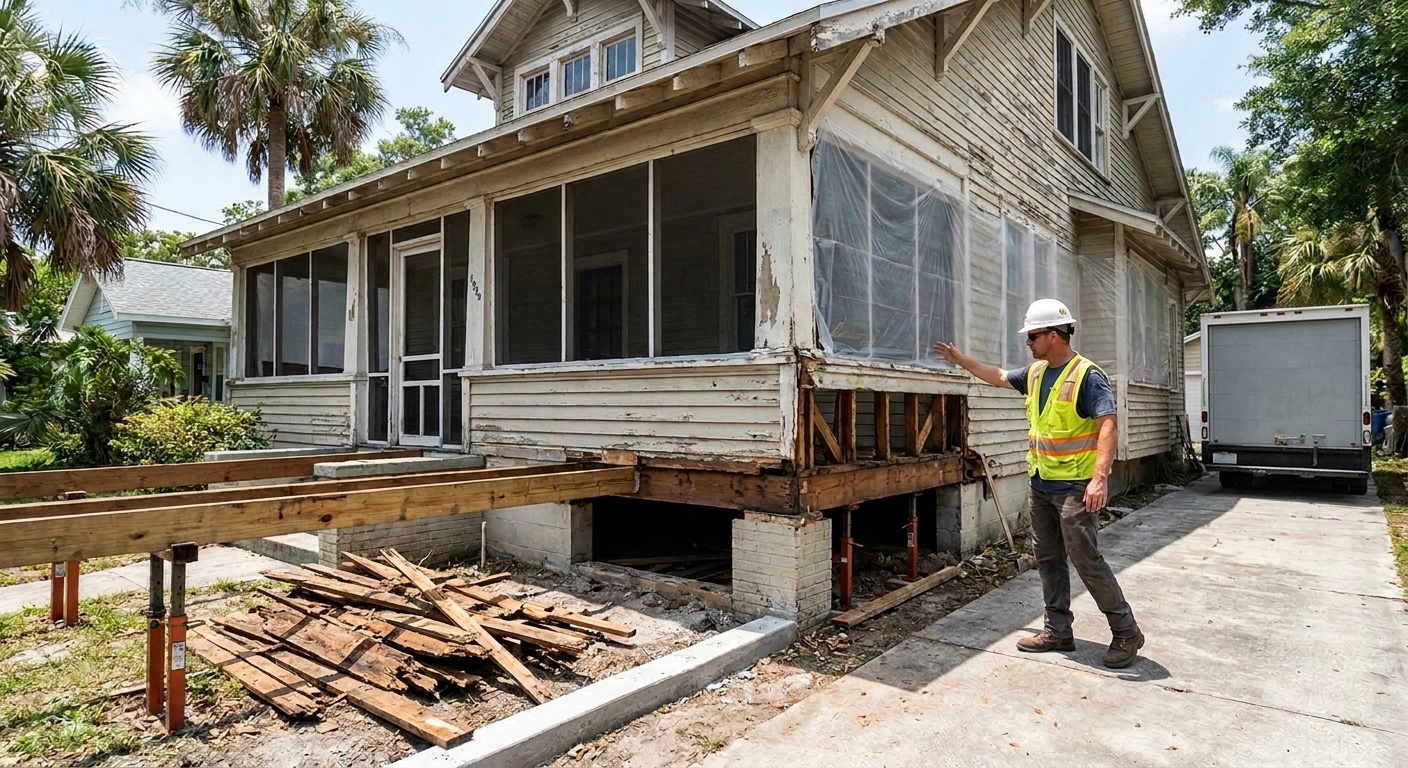
Do Older Homes in Tampa Need Structural Upgrades Before Remodeling?
September 3, 2026
-