.png)

By using our website, you agree to the use of cookies as described in our Cookie Policy
a
Rss Feed
Is Your Largo Home Ready for a Major Renovation?
Most homeowners think renovations are just about picking finishes and signing contracts. Tear down a wall, install new counters, call it done. But if your Largo home has underlying issues — structural cracks, outdated electrical, or moisture problems — you're building on shaky ground. A major renovation isn't just about aesthetics. It's about making sure the bones of your house can handle what you're about to throw at it.
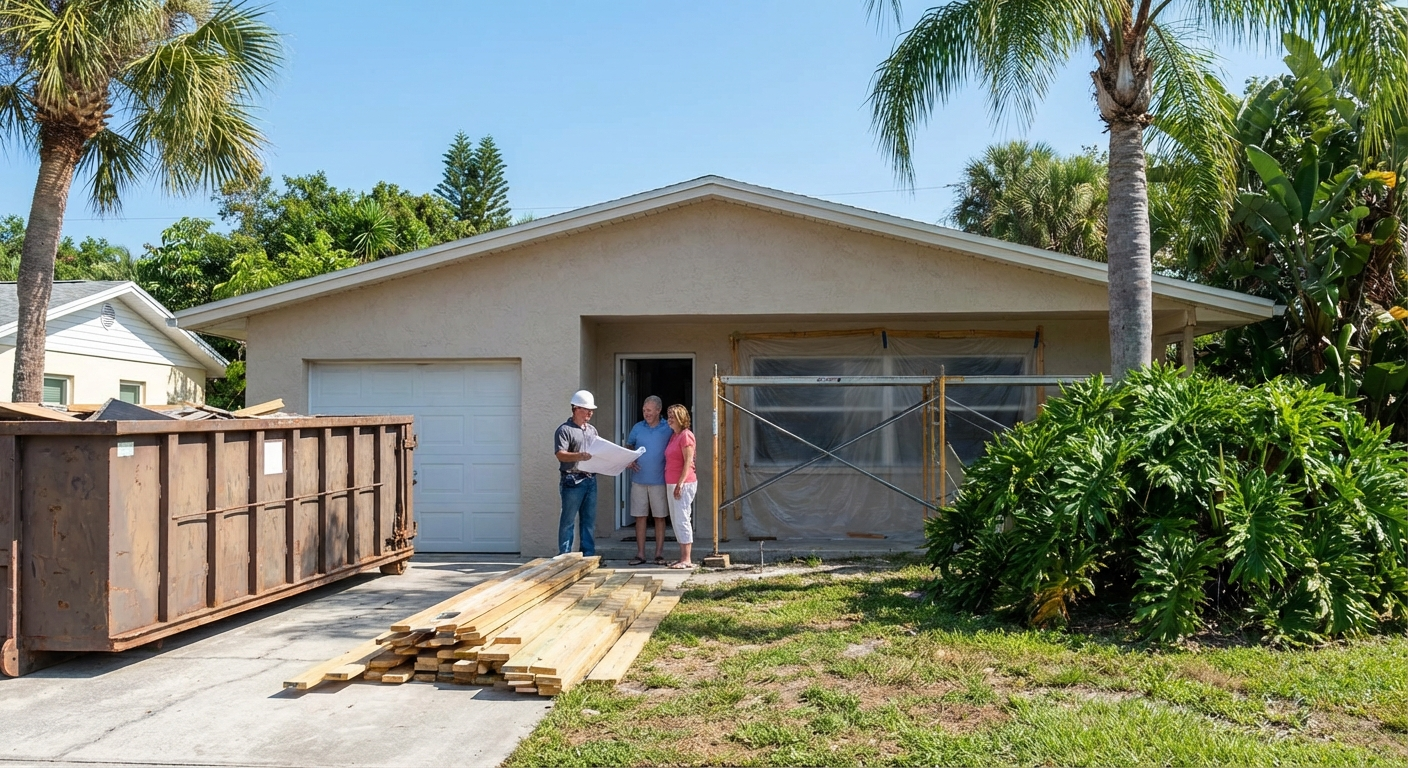
So here's the reality. If you're planning to gut a kitchen or add square footage, that's exciting. Just don't assume your home is ready without doing the homework first. Every renovation should start with an honest assessment. Every contractor should see the full picture. And every decision should be grounded in what your property can actually support — not just what looks good in a magazine.
What's Hiding Behind the Walls
Before you demo anything, you need to know what you're working with. Largo homes — especially older ones — can carry hidden damage that won't show up until you start pulling things apart. Foundation shifts, termite damage, outdated wiring, corroded plumbing. These aren't cosmetic problems. They're structural repairs that can derail your timeline and blow your budget if you don't catch them early.
Florida's humidity doesn't help. Moisture creeps into attics, crawl spaces, and exterior walls. If your home has been sitting with poor ventilation or leaky seals, you might be dealing with mold or rot that needs remediation before any renovation can move forward. Get a professional inspection. Don't skip it. What you don't know will cost you later.
The Numbers Need to Add Up
Renovations cost more than you think. Always. Even when you plan for overages, something comes up. A subfloor that needs replacing. Permits that take longer than expected. Materials that jump in price mid-project. If your budget is tight from the start, you're setting yourself up for stress and compromise.
We recommend building in a 15-20% cushion for surprises. That's not pessimism — it's realism. And if you're financing the work, make sure you understand the terms. Interest rates, repayment schedules, and how the loan impacts your taxes all matter. Treat renovation capital like business capital. It's not free money. It's leverage, and it needs to be managed.
- Get multiple contractor bids before committing
- Include permit fees and inspection costs in your total
- Factor in temporary housing if the work makes your home unlivable
- Set aside funds for design changes or material upgrades
- Track every expense with receipts and invoices
Permits Aren't Optional
Largo has building codes. Ignore them, and you'll pay for it twice — once to do the work, and again to fix it when the city flags it. Permits exist for a reason. They ensure your renovation meets safety standards and won't create liability down the road. Electrical, plumbing, structural changes — all of it needs approval.
Work with a licensed contractor who knows the local requirements. They'll handle the paperwork and keep your project compliant. Trying to skip permits to save time or money is a gamble that rarely pays off. When you go to sell, non-permitted work can kill a deal or force you to tear it out.
Timing Matters More Than You Think
Florida weather is unpredictable. Summer brings storms, heavy rain, and hurricane season. If your renovation involves exterior work or requires open walls, bad weather can stall progress for weeks. Plan your project during the drier months if possible. It's not just about convenience — it's about protecting your investment.
Your schedule matters too. Major renovations are loud, messy, and disruptive. If you've got kids in school or work-from-home obligations, think through how construction will impact your daily life. Some homeowners move out temporarily. Others tough it out. Either way, know what you're signing up for before the first hammer swings.
- Avoid hurricane season for exterior or roofing projects
- Schedule around family events or work deadlines
- Plan for noise and dust in shared living spaces
- Coordinate with neighbors if the work affects shared walls or driveways
- Build buffer time into your timeline for delays
Hiring the Right Team
Your contractor can make or break your renovation. A good one keeps the project on schedule, communicates clearly, and solves problems before they escalate. A bad one disappears for days, cuts corners, and leaves you with a mess. Do your homework. Check licenses, read reviews, and ask for references from past clients.
In Largo, word-of-mouth recommendations carry weight. Talk to neighbors who've done similar work. Visit job sites if you can. And don't hire based on price alone. The cheapest bid often comes with the most headaches. Pay for experience and reliability. It's worth it.
- Verify contractor licenses and insurance coverage
- Ask for a detailed written estimate with line-item costs
- Check references and visit completed projects
- Confirm they pull permits and handle inspections
- Get everything in writing before work begins
Designing for the Long Haul
Trends come and go. Your renovation should outlast them. If you're planning to stay in your Largo home for years, design for your lifestyle — not what's popular on Instagram. If you're renovating with resale in mind, focus on updates that appeal to a broad range of buyers. Kitchens and bathrooms deliver the best return. Overly personalized choices don't.
Energy efficiency is no longer optional. Florida's heat and humidity make HVAC costs a real concern. Upgrading insulation, windows, and cooling systems can lower your bills and increase your home's value. Smart home features — programmable thermostats, security systems, efficient lighting — are becoming standard expectations, not luxuries.
- Choose neutral finishes that won't feel dated in five years
- Invest in energy-efficient windows and insulation
- Upgrade to modern HVAC systems with smart controls
- Consider accessibility features if you plan to age in place
- Focus on quality materials that hold up in Florida's climate
Documentation Protects You
Keep records of everything. Contracts, invoices, permits, inspection reports, change orders. If something goes wrong — or if you sell the house later — you'll need proof of what was done and who did it. Buyers want to see permits. Insurance companies want to see receipts. The city wants to see compliance.
Take photos before, during, and after the work. Document any issues that come up and how they were resolved. If a contractor makes a promise, get it in writing. Verbal agreements don't hold up when disputes arise. Treat your renovation like a business transaction. Because it is.
Renovations Reward Preparation
Taking on a major renovation isn't something you rush into. The homes that come out strong are the ones where the owners did the groundwork first. They assessed the structure. They built a real budget. They hired pros who knew the codes. And they planned for the disruptions that come with tearing things apart to build them back better.
Your Largo home has potential. But potential only pays off when you approach the work with clarity, patience, and a plan that accounts for more than just the finished product. Do it right, and you'll have a space that works for you — and holds its value — for years to come.
Let’s Build Your Dream Home Together
We know that a successful renovation is about more than just new finishes — it’s about creating a home that’s safe, functional, and built to last. If you’re ready to take the next step, let’s talk about your vision and how we can make it a reality. Call us at 727-596-2390 or contact us today to get started on your Largo renovation journey.
‹ Back
Recent Posts
-
-
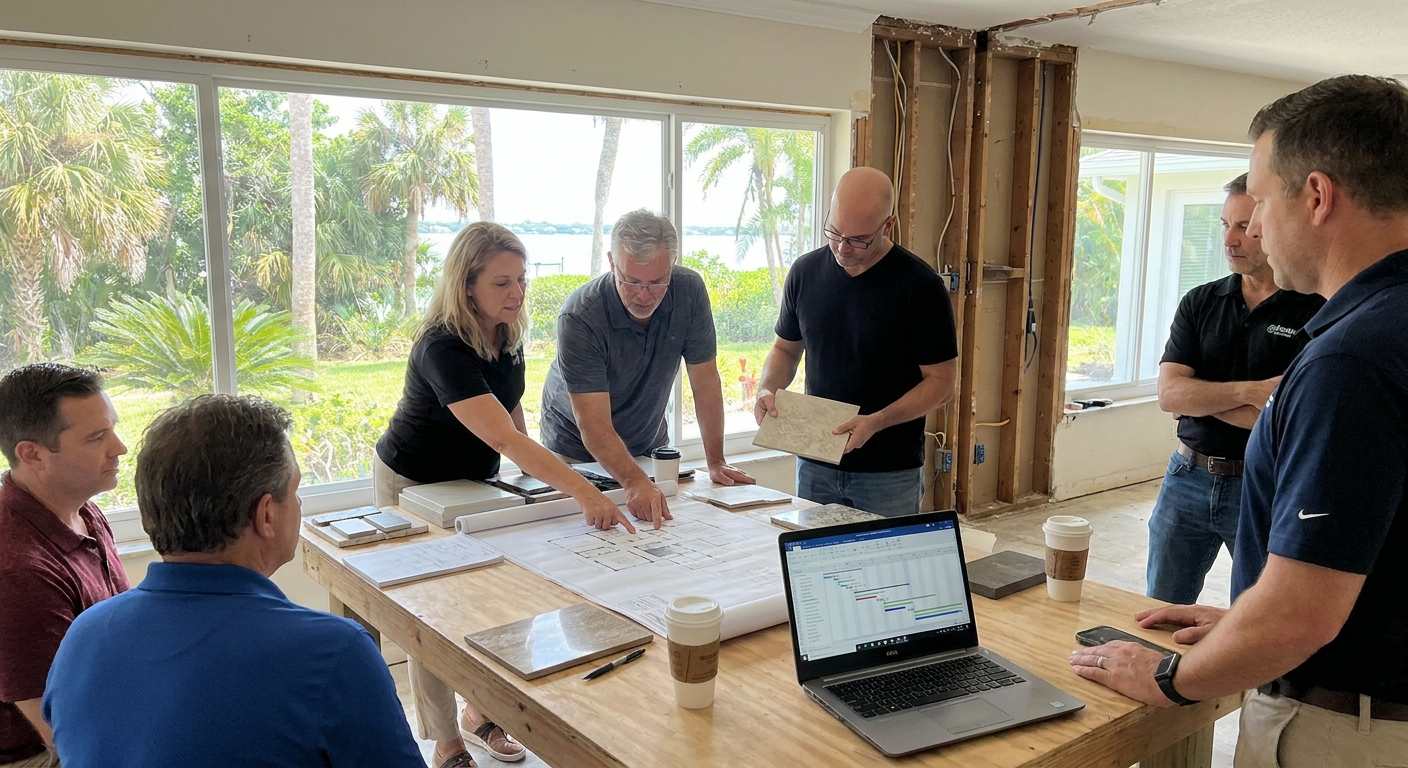
How Much Planning Goes Into a Whole-Home Renovation in Tampa?
October 1, 2026
-
-
-

Building Safer Commercial Spaces: A Practical Guide for New Owners
September 15, 2026