.png)

By using our website, you agree to the use of cookies as described in our Cookie Policy
a
Rss Feed
Do Older Homes in Tampa Need Structural Upgrades Before Remodeling?
Most homeowners think remodeling is just about aesthetics. New countertops, fresh paint, maybe knock down a wall. But if you own an older Tampa home, the bones matter more than the finishes. A century of humidity, storms, and settling soil doesn't care how good your vision board looks. If the foundation's compromised or the framing's rotted, your renovation budget just became a repair fund.
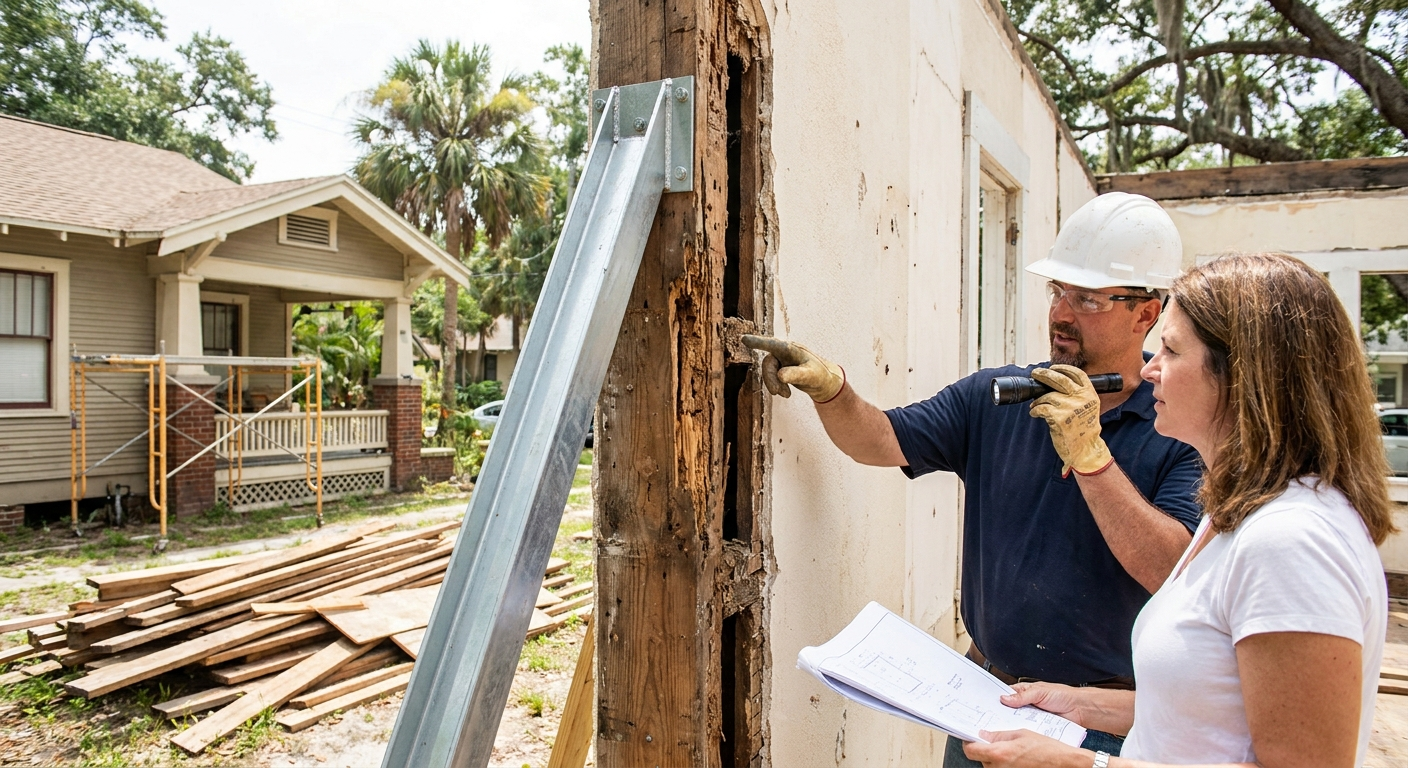
Here's what we know. Older homes weren't built for today's codes. They weren't engineered for hurricane straps or modern load calculations. And Tampa's climate — wet, warm, relentless — accelerates every weakness. Termites love it here. So does mold. So does wood rot. If you're planning to open walls or add square footage, you better know what's hiding behind the plaster first.
Age Brings Character and Consequences
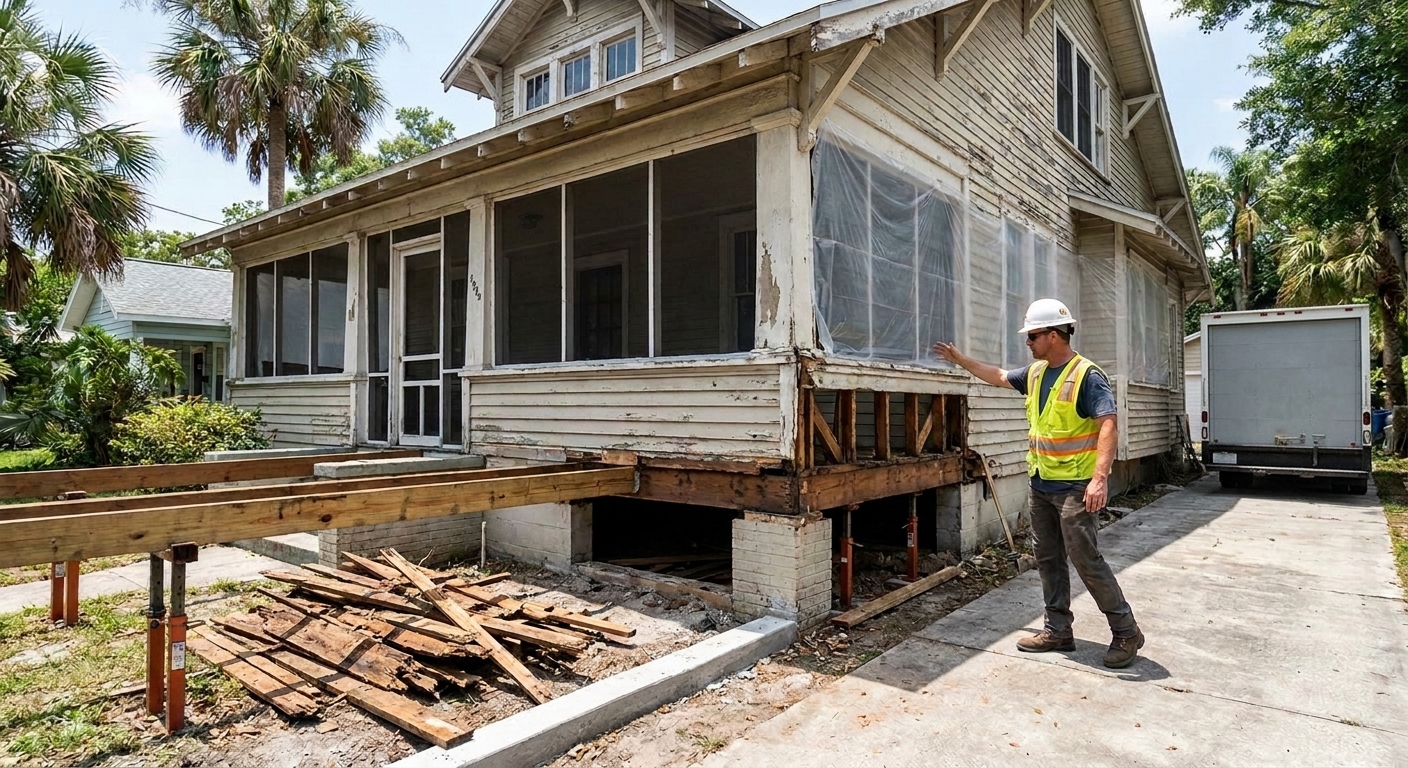
Tampa's historic neighborhoods are packed with homes from the early 1900s through the post-war boom. Beautiful craftsmanship, sure. But those properties were built with materials and methods that don't hold up under Florida's environmental pressure. Pier-and-beam foundations shift. Balloon framing lacks lateral bracing. Single-pane windows offer zero storm protection.
The humid subtropical climate here doesn't give old homes a break. Moisture seeps into crawlspaces. Rain finds every crack. And once water gets in, it invites everything else — rot, pests, structural sag. A home that looks solid on the surface can be quietly failing underneath. That's why a pre-remodel inspection isn't optional. It's the only way to know what you're really working with.
The Foundation Might Be Moving
Tampa sits on sandy soil and limestone. Over decades, homes settle unevenly. Cracks appear in slabs. Piers sink or shift. Floors start to slope. Most owners don't notice until they start pulling up old flooring or see doors that won't close right.
Foundation issues don't just sit there — they get worse. And if you remodel without addressing them, you're building on top of a problem that will keep spreading. Reinforcement, underpinning, or slab leveling might be required before you touch a single design element. Skip that step and your new cabinets will be crooked in five years.
Wood Rot and Termites Don't Take Breaks
Florida is termite paradise. Subterranean colonies thrive in warm, moist soil. Drywood termites nest inside framing. Both types can hollow out support beams without leaving visible evidence on the surface. Add wood rot from decades of moisture exposure, and you've got structural members that look fine but can't carry load.
We've seen homes where entire floor joists needed replacement before any remodel could begin. A contractor pulls back drywall and finds sawdust trails, soft wood, or compromised studs. That's not cosmetic. That's a safety issue. And it's common enough in older Tampa homes that assuming it's not there is a gamble you don't want to take.
What Usually Needs Attention
- Foundations showing cracks, settling, or moisture intrusion: These weaken the entire structure and create uneven support for walls and floors.
- Framing members damaged by termites or rot: Load-bearing beams and studs lose integrity when compromised by pests or water.
- Roofs built before modern wind standards: Older roofs may lack proper fastening or sheathing to resist hurricane-force winds.
- Electrical systems using outdated wiring: Knob-and-tube or aluminum wiring can pose fire risks and won't support modern electrical loads.
- Plumbing with galvanized or polybutylene pipes: These materials corrode or fail over time, leading to leaks and water damage inside walls.
Getting a Real Assessment
Don't rely on a general contractor to spot structural red flags. Bring in a licensed structural engineer or a contractor who specializes in historic renovations. They'll inspect the foundation, framing, roof deck, and support systems. They'll look for termite damage, moisture intrusion, and code violations that could kill your project later.
The assessment might reveal minor fixes — sistering a joist, adding hurricane clips, sealing a foundation crack. Or it might show major work is needed before you touch anything else. Either way, you'll have a roadmap. And you'll avoid the nightmare scenario where demo uncovers a disaster halfway through the job.
Why Upgrading the Structure Pays Off
- Safety comes first: A structurally sound home protects your family and anyone who visits or lives there in the future.
- Code compliance avoids headaches: Permits and inspections go smoother when the bones meet current standards, not 1950s ones.
- Resale value climbs: Buyers pay more for homes with documented structural integrity and modern systems.
- Long-term durability matters: Addressing issues now prevents costly emergency repairs or project delays down the line.
Planning Means Prioritizing the Unseen
Start your remodel with the structural work. Get the foundation stable. Replace compromised framing. Upgrade the roof attachment. Bring electrical and plumbing up to code. Then move on to the fun stuff — the finishes, the layouts, the design elements that make the space yours.
Yes, it adds cost upfront. Yes, it extends the timeline. But it also means your investment is protected. It means your new kitchen won't crack at the seams because the floor joists were failing. It means you won't fail inspection or face a lawsuit when something goes wrong.
Who to Work With
- Licensed structural engineers: They assess load-bearing capacity, foundation stability, and code compliance with precision.
- Contractors experienced in historic homes: They understand the quirks of older construction and know how to retrofit without destroying original character.
- Certified termite inspectors: They identify active infestations and damage that might not be visible during a standard walkthrough.
- Code-savvy electricians and plumbers: They bring outdated systems into compliance and prevent future hazards.
Budget for What Matters
Structural upgrades aren't glamorous. Nobody posts before-and-after photos of new floor joists. But they're the difference between a remodel that lasts and one that falls apart. If your budget is tight, scale back the finishes. Don't skimp on the bones. A solid structure supports every design choice you make afterward.
And if the inspection uncovers more issues than you expected, don't panic. Prioritize what's critical — foundation, framing, roof — and phase the rest. A staged approach keeps the project moving without overextending your resources.
The Tampa Reality
Older homes here come with baggage. The climate accelerates decay. The building codes have changed. The materials weren't designed for the storms we see now. But that doesn't mean these homes aren't worth saving. It just means you can't treat a 1920s bungalow like a 2010 suburban build.
We work with homeowners who want to preserve character while making their homes safe and functional. That means respecting the original construction while upgrading the parts that matter. It means knowing when to reinforce and when to replace. And it means never assuming the structure is fine just because the house is still standing.
Move Forward with Clear Eyes
Remodeling an older Tampa home can be one of the most rewarding projects you take on. But only if you face the structural realities first. Get the inspection. Do the upgrades. Build on a foundation that won't shift under you. The finishes can wait. The framing can't. Whether you're considering structural repairs or planning for comprehensive foundation work before renovating, addressing these issues ensures your investment stands strong for decades to come.
Ready to Secure Your Home’s Future?
Let’s make sure your Tampa remodel starts on solid ground. We’re here to help you navigate the unique challenges of older homes, from foundation repairs to structural upgrades, so you can move forward with confidence. Give us a call at 727-596-2390 or contact us today to get expert guidance and peace of mind before your next project begins.
‹ Back
Recent Posts
-
-
How Much Planning Goes Into a Whole-Home Renovation in Tampa?
October 1, 2026
-
-
-

Building Safer Commercial Spaces: A Practical Guide for New Owners
September 15, 2026